Birth of Canada Road Trip (May 2026)

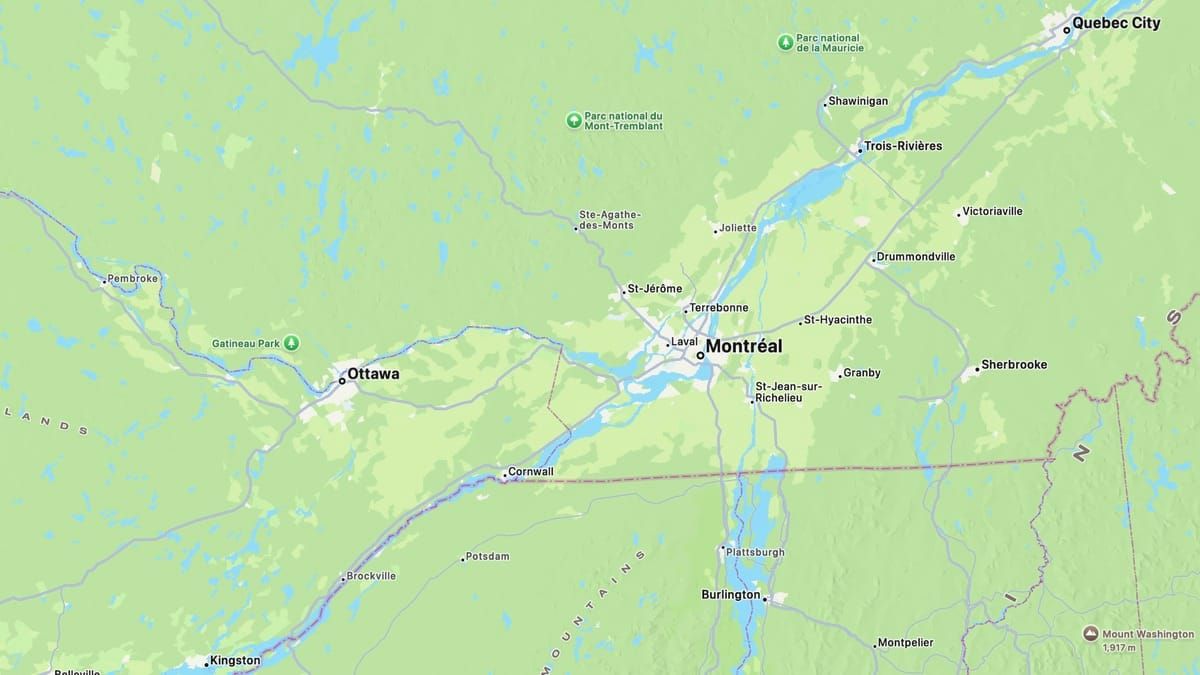
1–3 May 2026: Montréal
Over the weekend of 1–3 May some friends and I met in Montréal for a three-day convention. To help justify the long flight, I proposed we extend our visit with a history-oriented road trip of central Canada. The Quebec City–Ottawa–Kingston corridor is the one region of Canada with interesting bits only a few hours drive apart, so I hoped this would be a similar experience to the history road trips we’ve done in Europe.
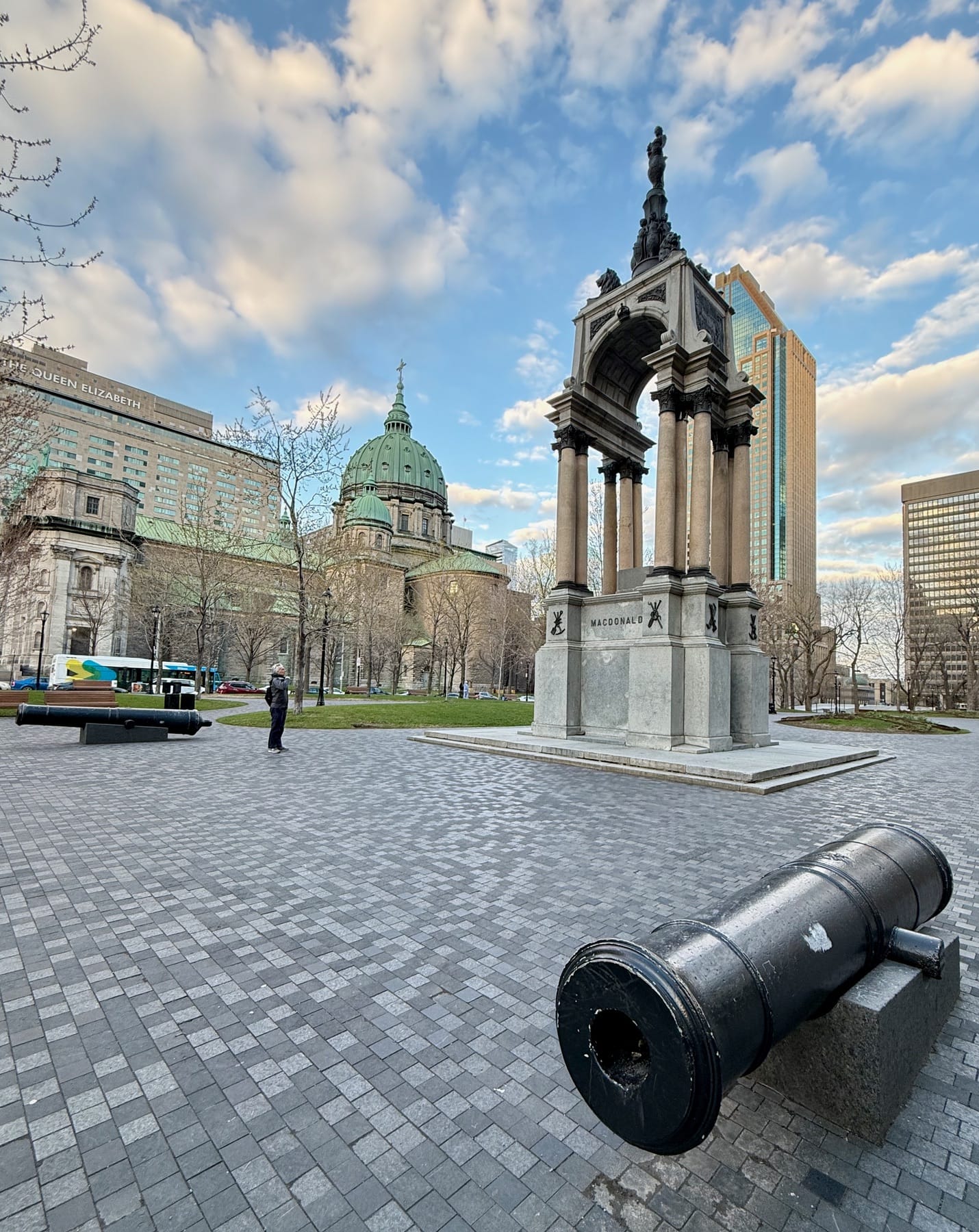
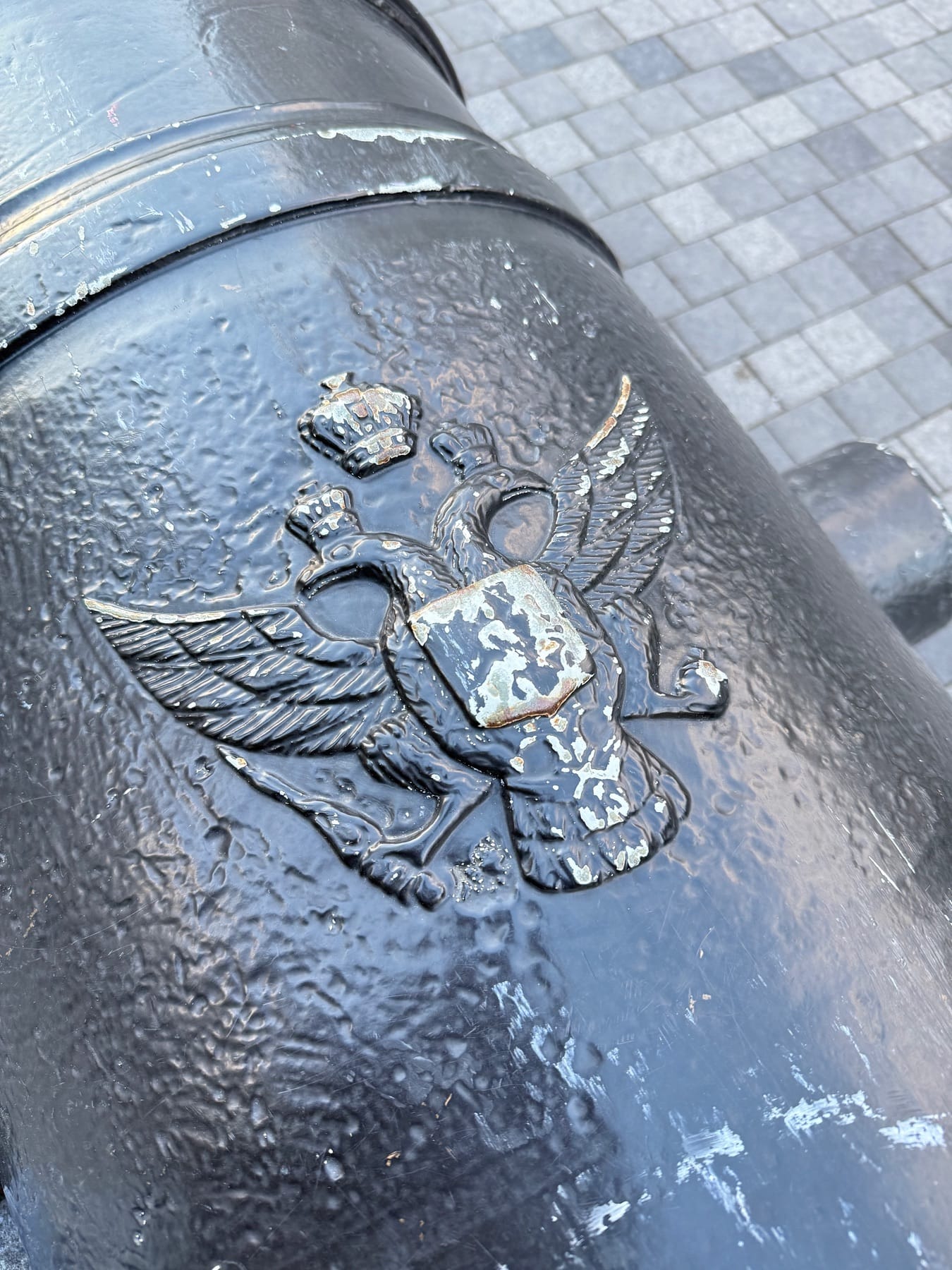
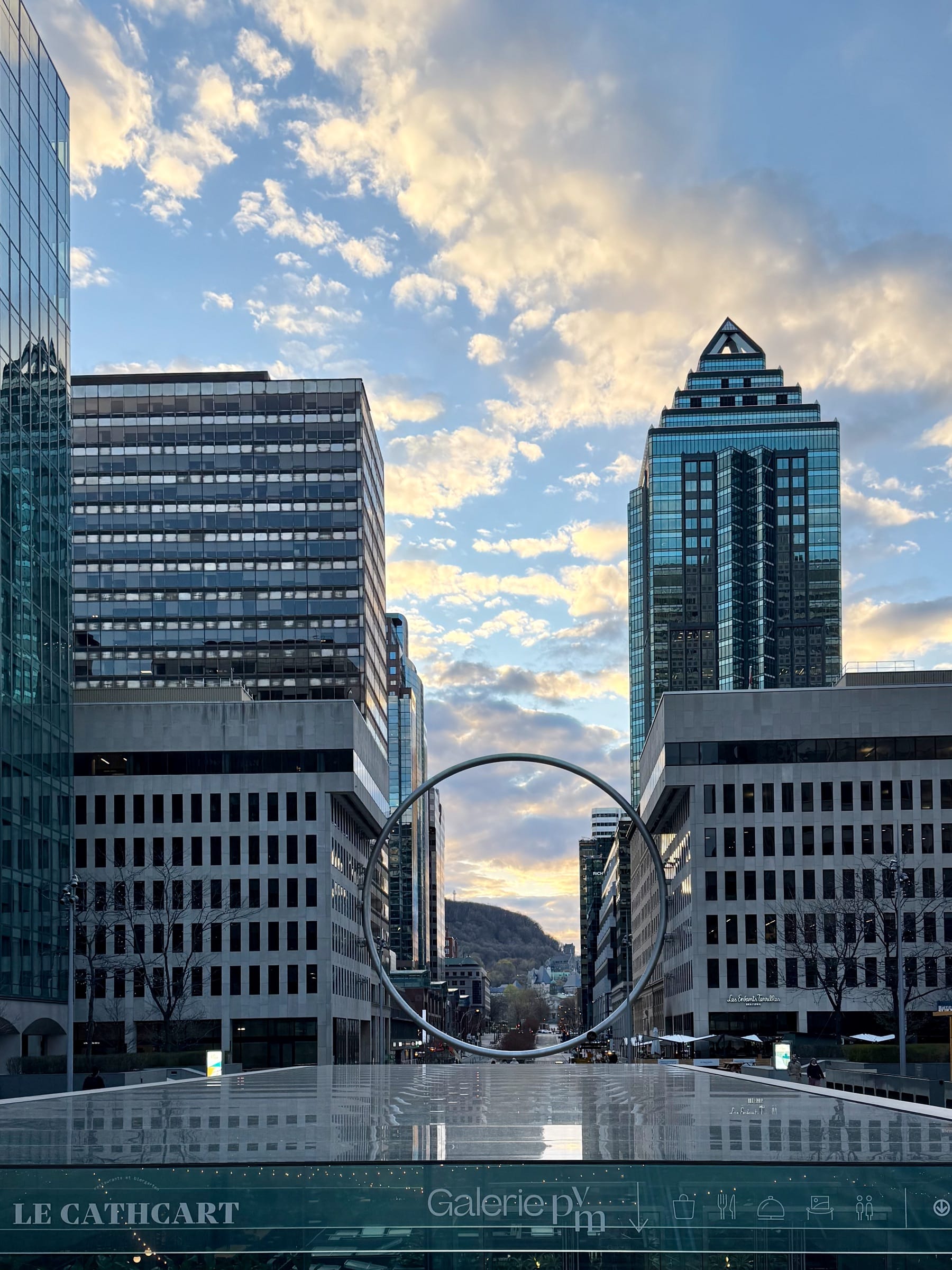
Click an image to enlarge. From left: Gene checking out captured Crimean War cannons in MacDonald Square; Russian Double Eagle insignia; Rue Cathcart.
4–6 May 2026: Quebec City
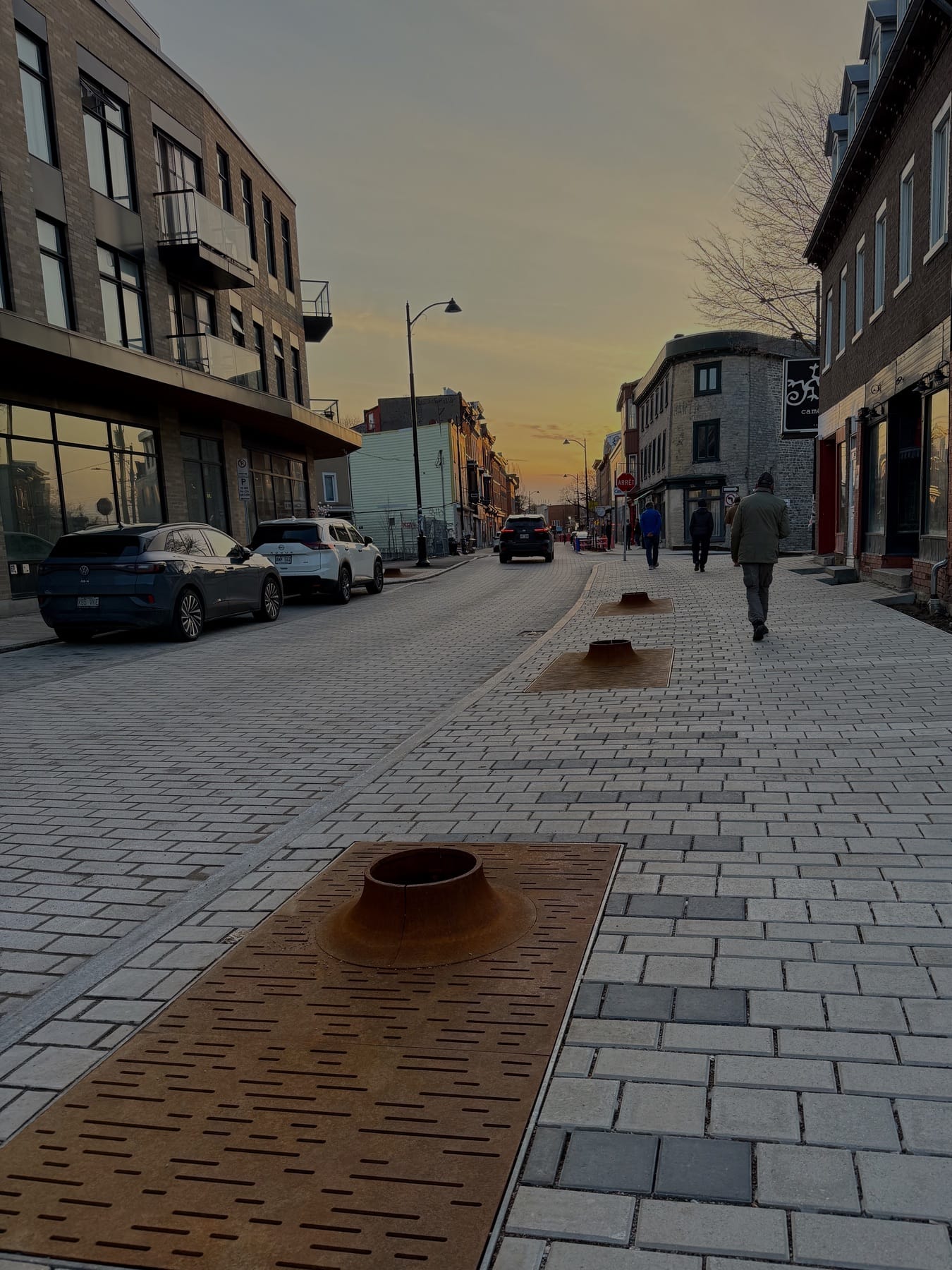
Lower City
4 May (Monday): Clayton and I caught an early bus to the airport, picked up our rental car, and drove back through the city to pick up Kerry, Gene, and Joseph. We carried on to Quebec City, reaching the Lower City early in the afternoon.
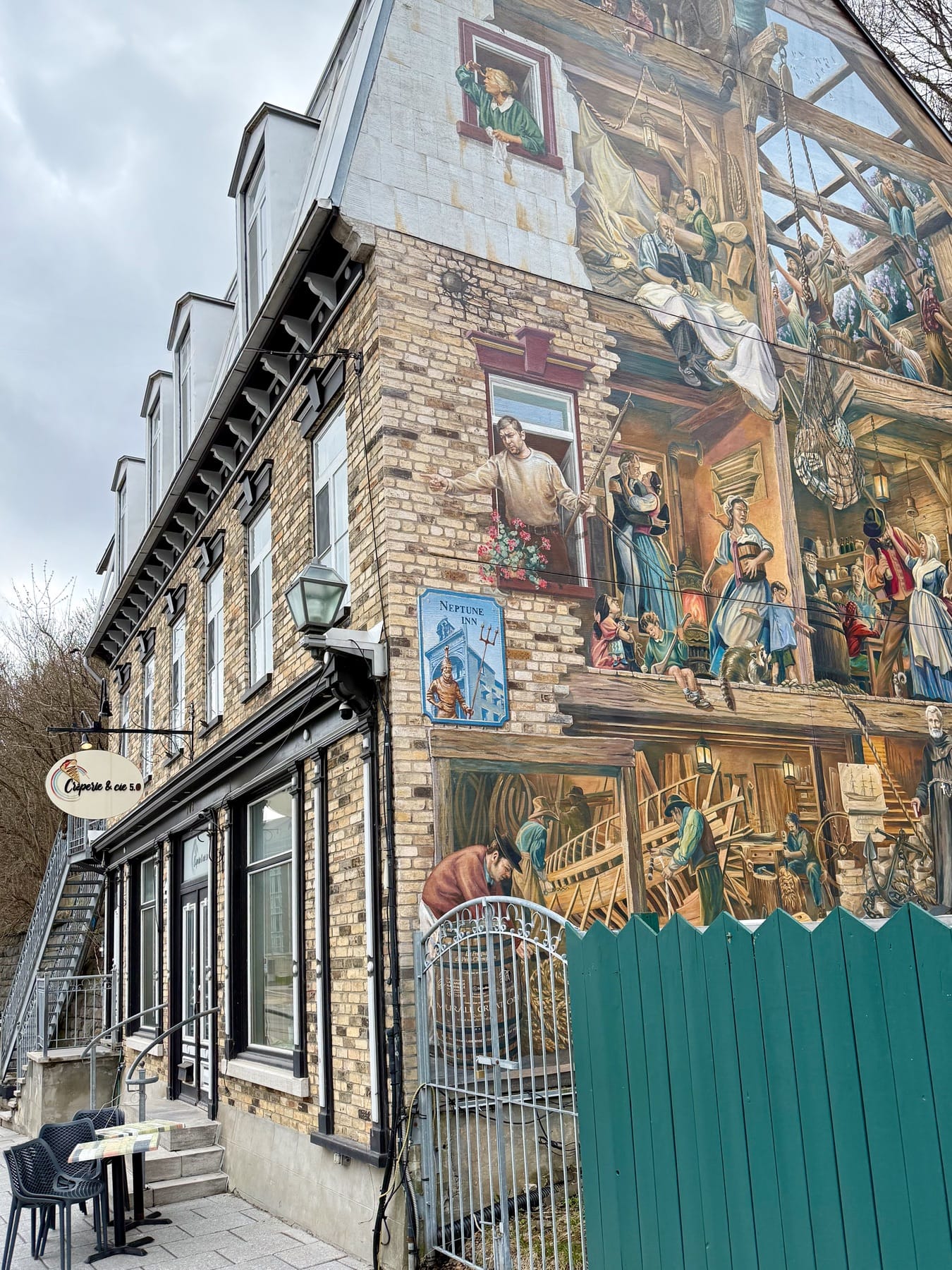
Kerry visited recently, and he guided us around the art galleries, craft shops, and trendy little restaurants. The cobble streets and stone buildings all authentic, though, dating to the early days of the city. The real interest for us was the street where a combination of British regulars and local volunteers fended off the American invasion of 1775 with fierce street fighting. This was a real you-are-there-moment to mark the first of three occasions on which Canadians — and Canadiens — have shed blood to keep our independence from the United States (the others being the War of 1812 and the Fenian Raids of 1866–1871.)
Plains of Abraham
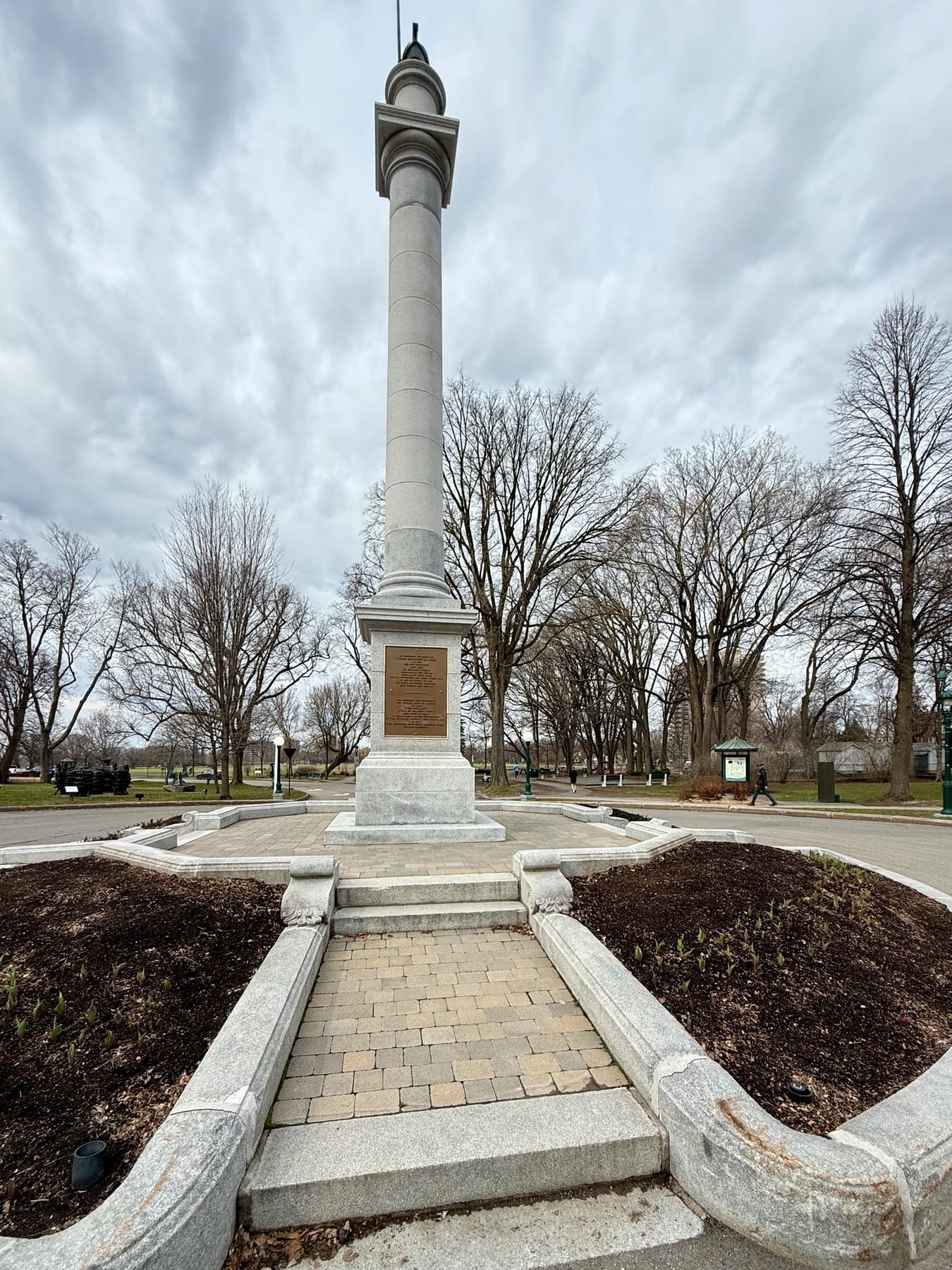
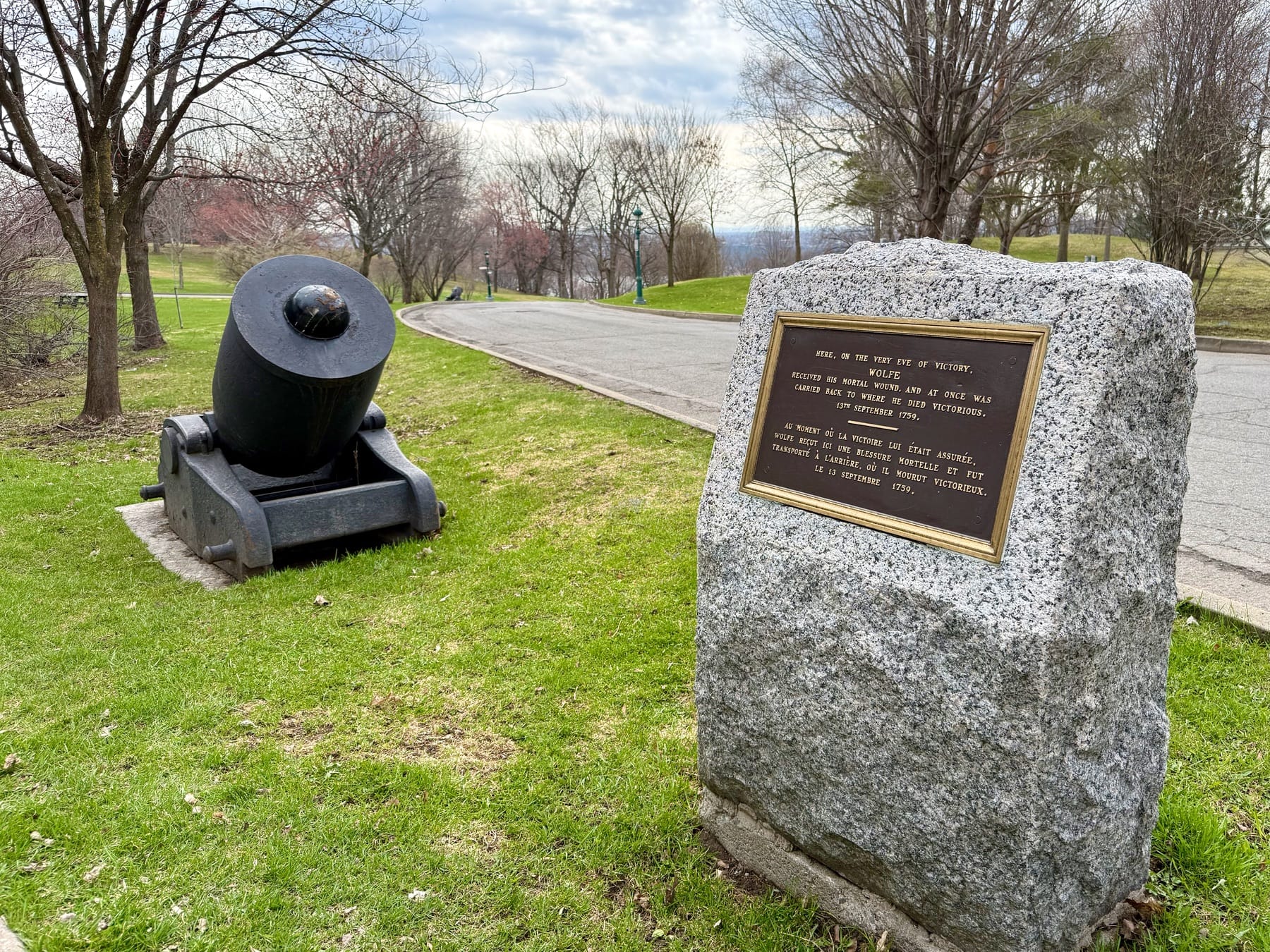
5 May (Tuesday): Next day we hiked from our rented apartment to the Plains of Abraham — where Wolfe’s victory over Montcalm decided Canada would be part of the British rather than the French empire. Though the Northern half of the battlefield is now a suburb, the southern half has been preserved as a beautiful city park whose walkways now provide good service for cyclists, joggers, and sightseers. The National Battlefields Commission has also erected some stone monuments so you can follow the course of the battle that decided the fate of Canada.
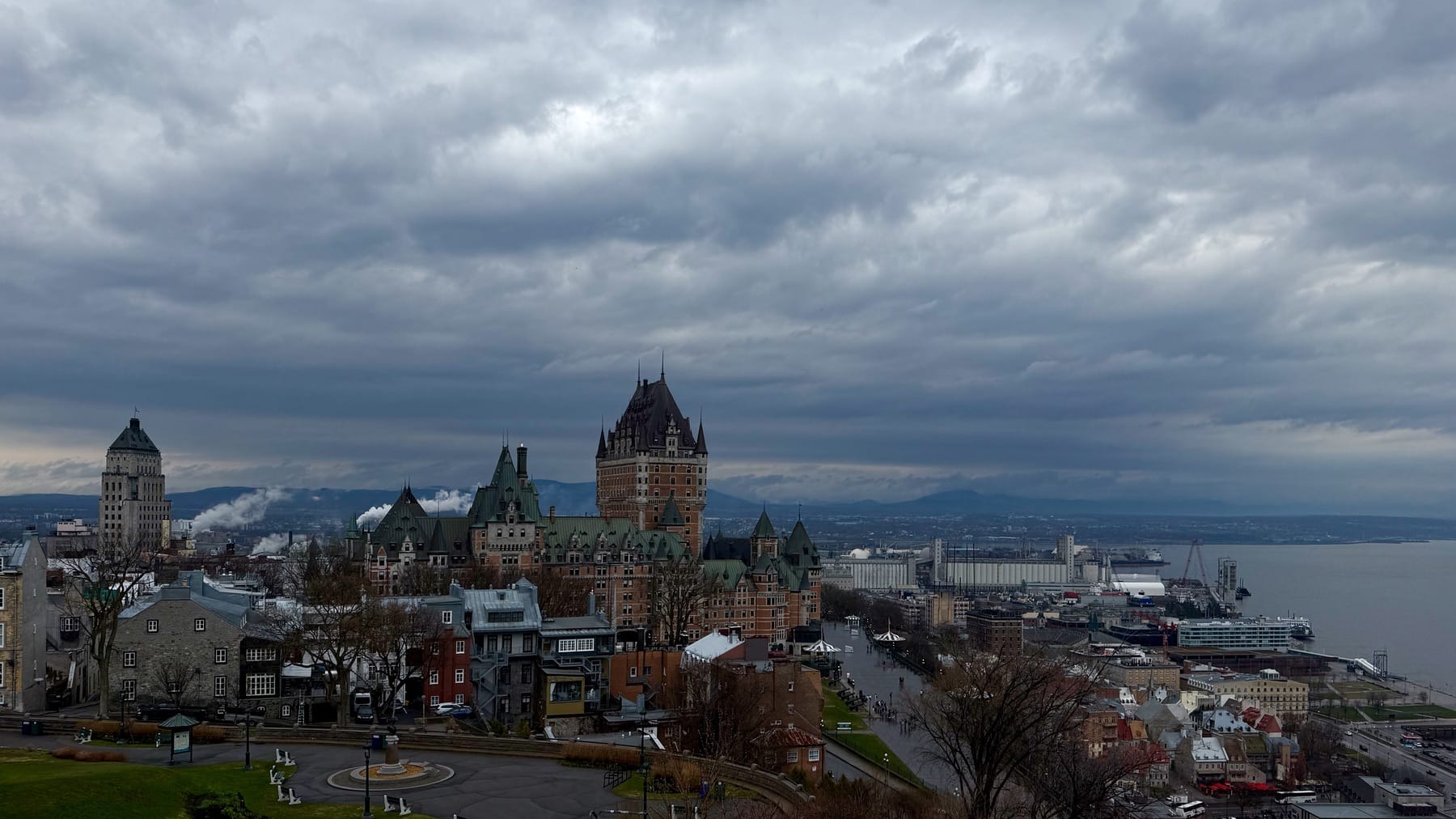
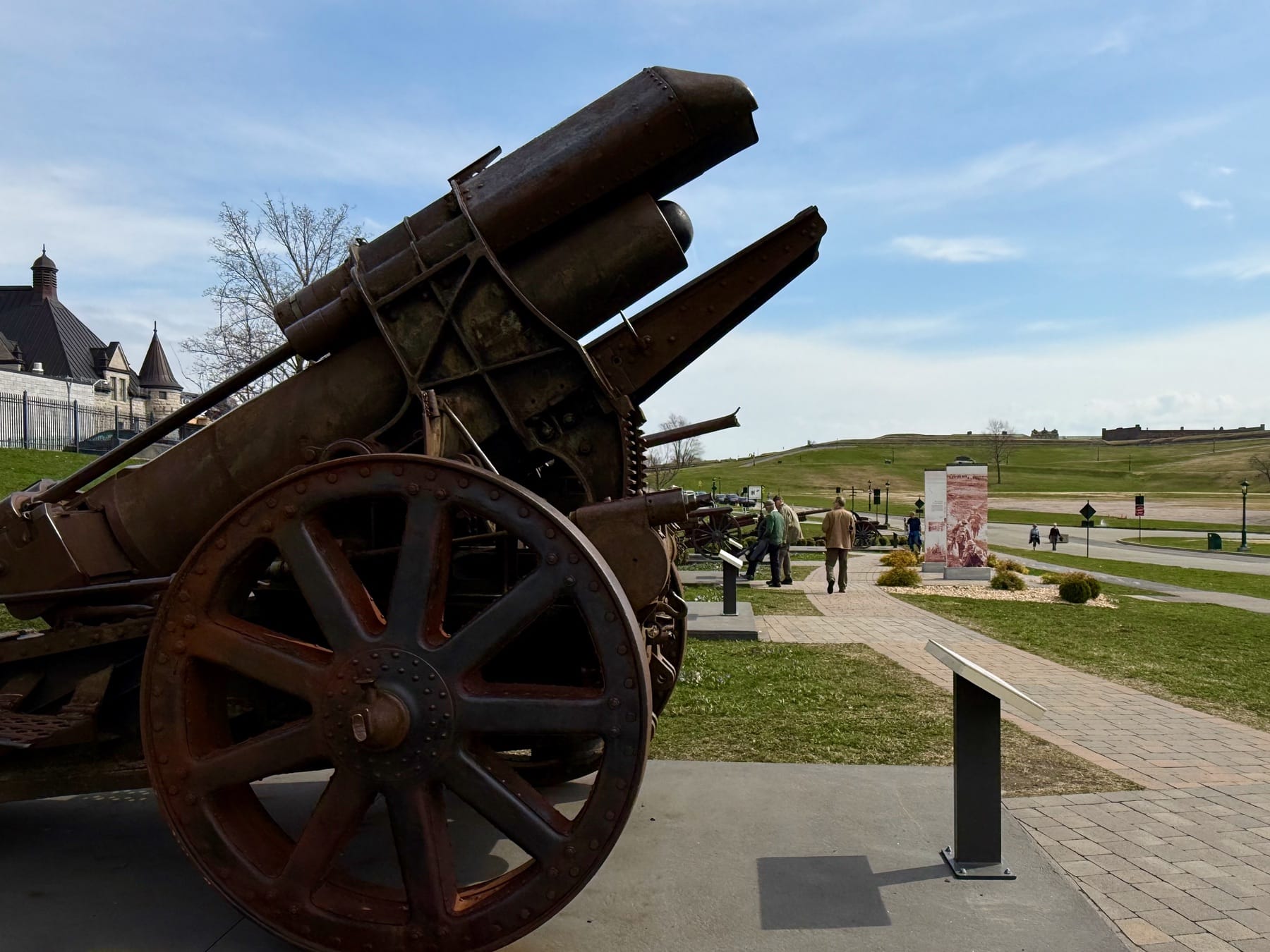
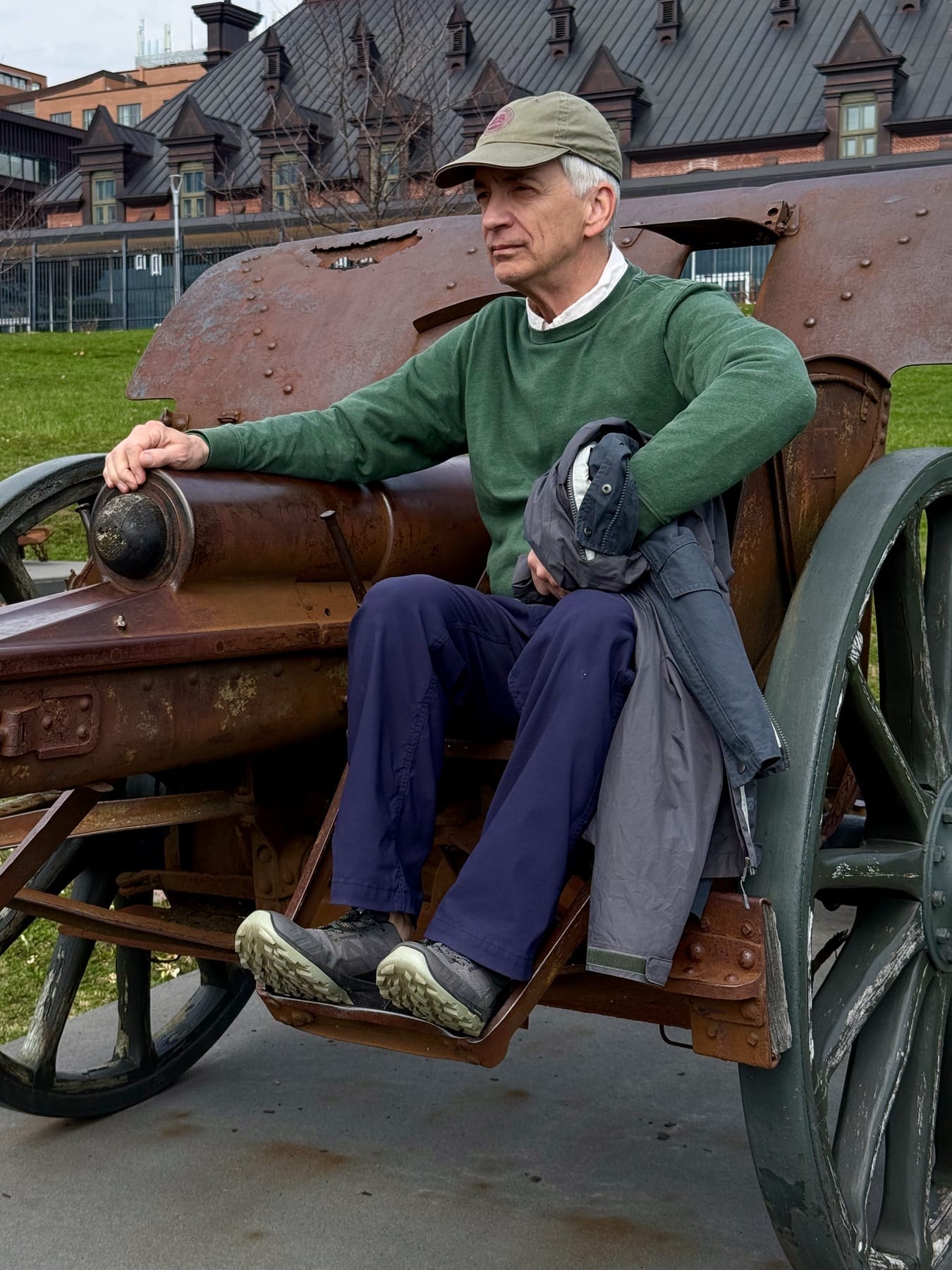
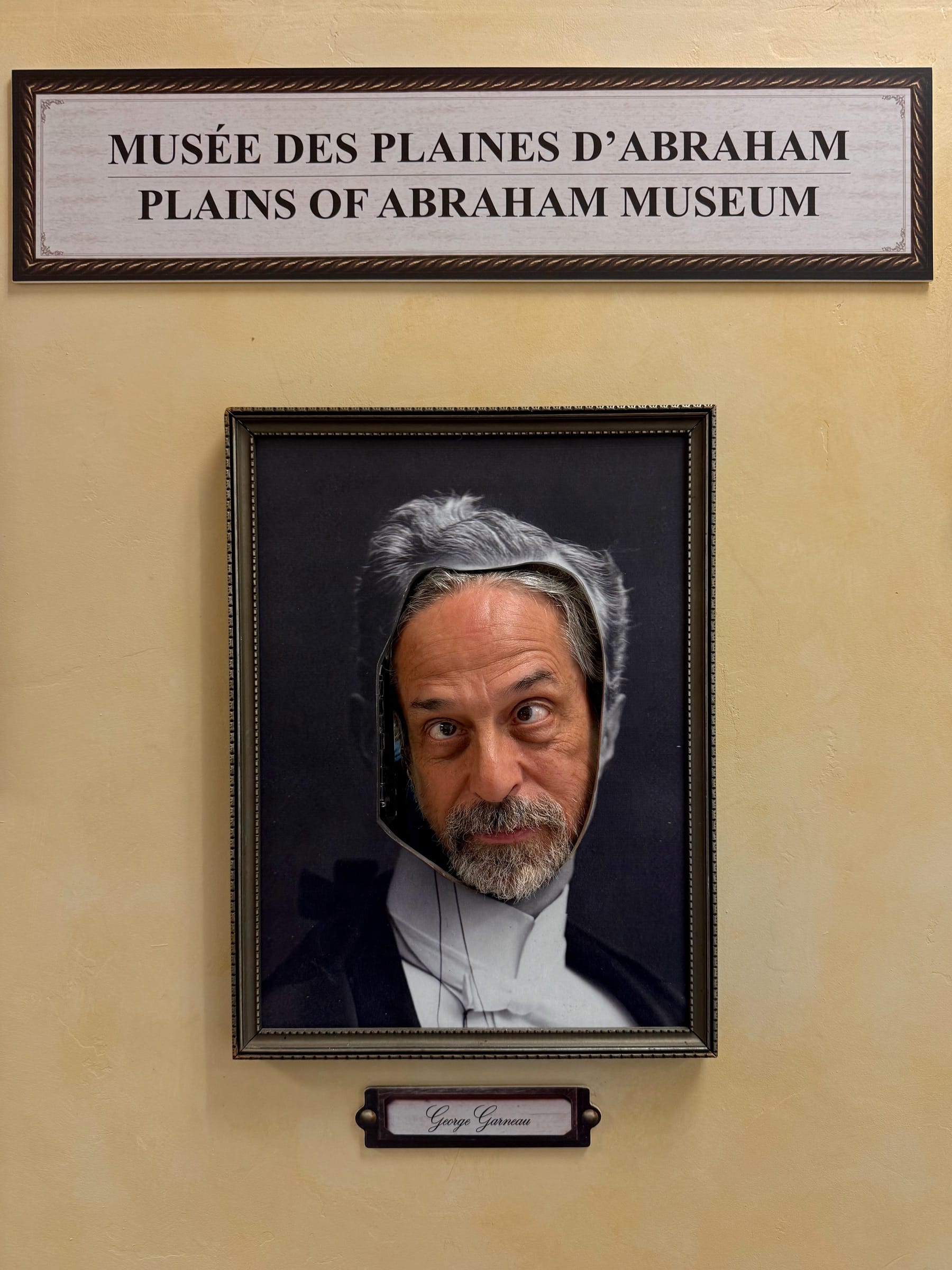
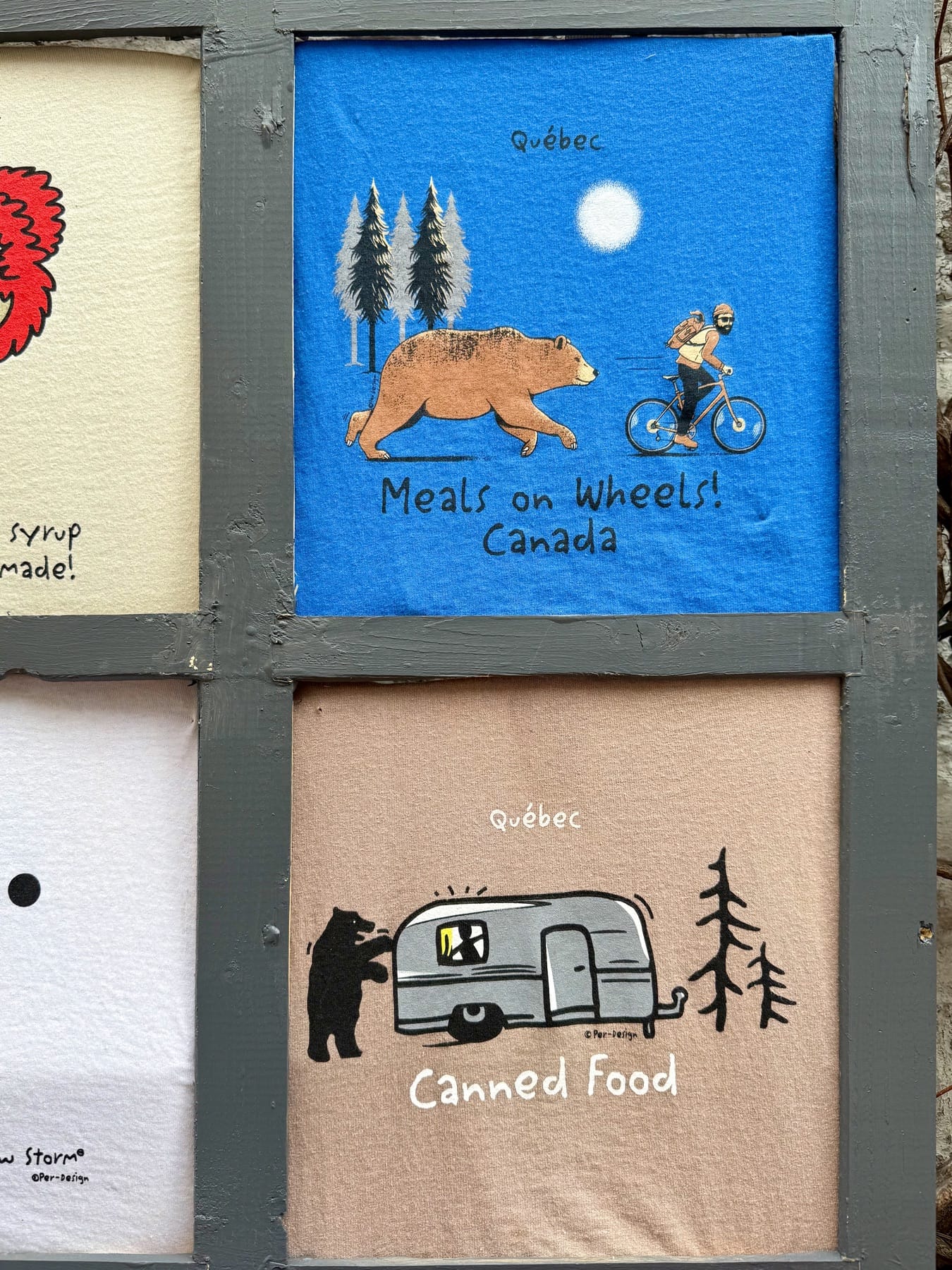
Click an image to enlarge. Clockwise from top left: Quebec City from Cap Diamant, seeking our supper; Lower City; Wolfe Monument; Plains of Abraham; Captured WWI guns before the Citadelle; Gene got a gun; Kerry is ready for his close-up; souvenir T-Shirts.
Naval Museum of Québec
From there we walked down, through the imposing walls of the Old City, to the Naval Museum of Québec. This is hosted by the local Naval Reserve unit (HMCS Montcalm) and was closed for general admission. Entry was available by request, though, and Clayton was organized enough to email. Sure enough, William met us at the door and showed us around a small collection mostly focused on preserving the memory of local sailors (though it also included several nice scale models). Interestingly, our guide – a young francophone – was thoroughly imbued with navy lore and traditions. Québecois may not have much time for the monarchy, but the Royal Canadian Navy is clearly their navy, and they take great pride in it their contributions to it.
La Citadelle de Québec
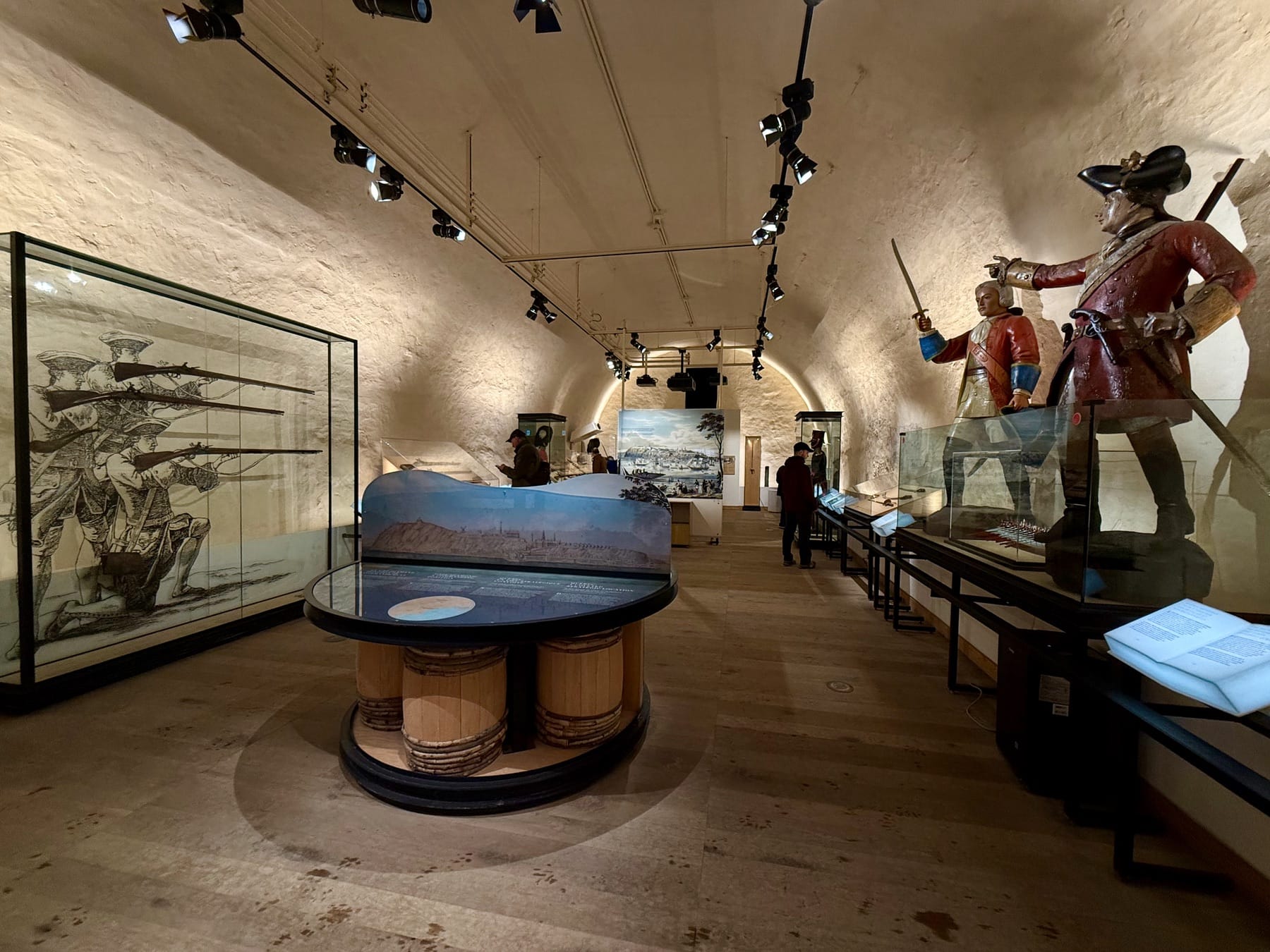
After lunch we hiked up to the Citadelle, a vast star fortress on the heights of Cap Diamant (Diamond Cape). This has been the site of fortifications almost since Quebec City was founded in 1608. But the current citadel was built after the War of 1812 (between 1820 and 1850) to defend against the ongoing threat of American invasion.
Not just an historic site, it's also the garrison of 2nd Battalion, Royal 22e Regiment (the famous “Vandoos”). So entry is only permitted with a tour group. That was no hardship as our affable guides led us on an informative walk around the ramparts and the various exhibits. A few nuggets:
- The Vandoos wear a bearskin helmet with their scarlet full dress uniform. Since Canada is the only Commonwealth country with native black bears, we have set up a regulated system to humanely supply bearskins not just for the R22e Regiment, but also for bearskin wearing units in the New Zealand, Australian, and British armies.
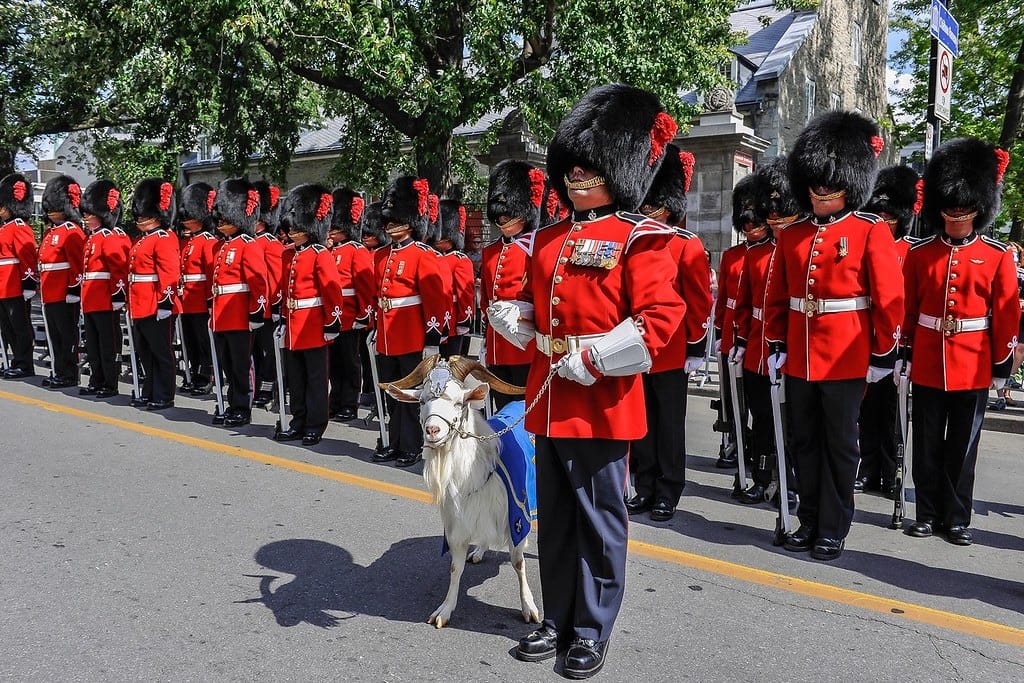
- Keeping with the animal theme, The Vandoos’ mascot is a goat named “Baptiste”, apparently because goats are loyal and protective — like good soldiers! The Regiment’s current mascot is Baptiste XII (and the others are all stuffed and preserved about the Citadelle!).
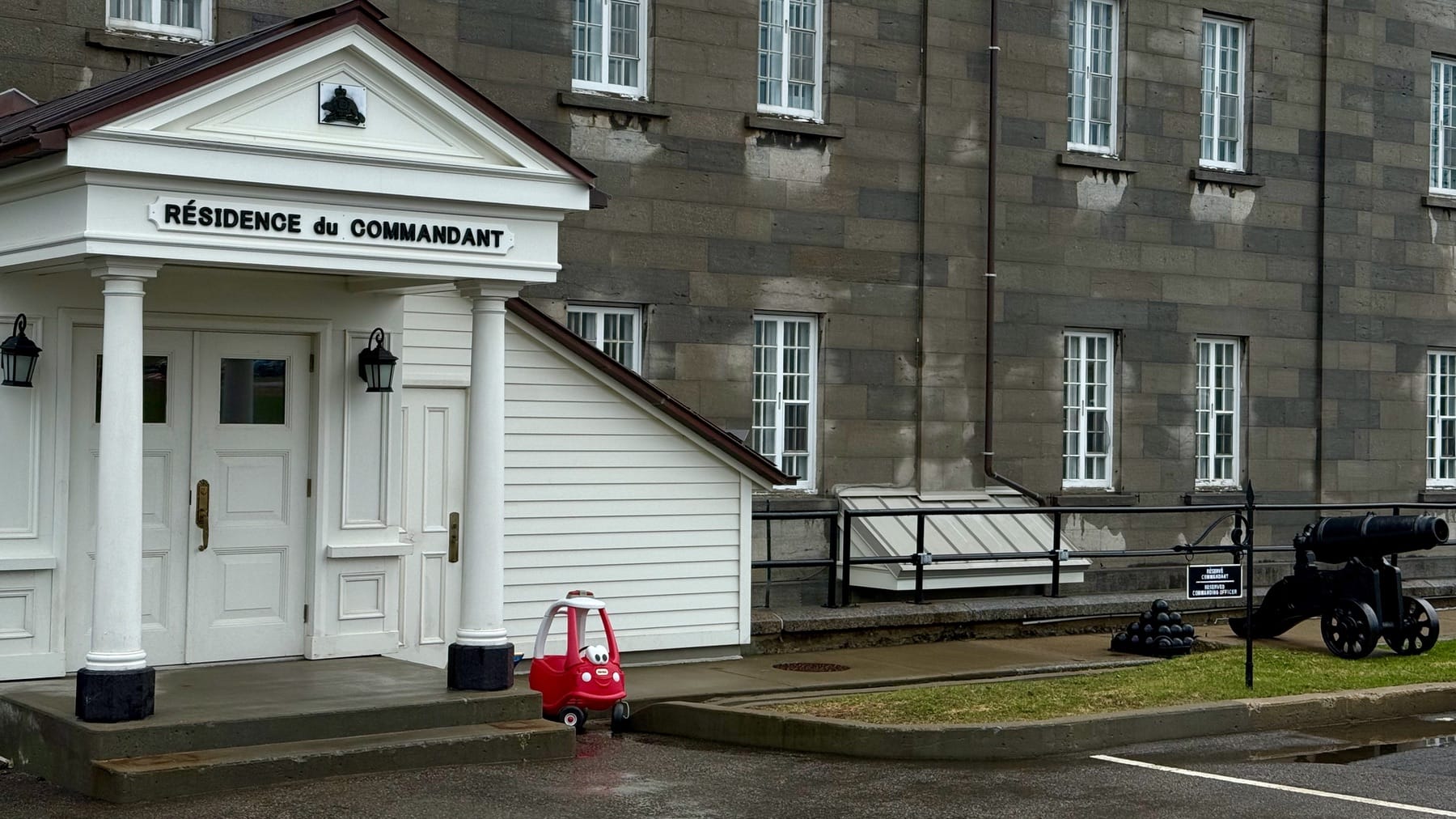
- The Governor General of Canada has a second residence in the Citadelle, next to the home of the Vandoos commanding officer. We couldn't get too close as the newly appointed Madam Louis Arbour was moving in when we visited, and a van was unloading her stuff.
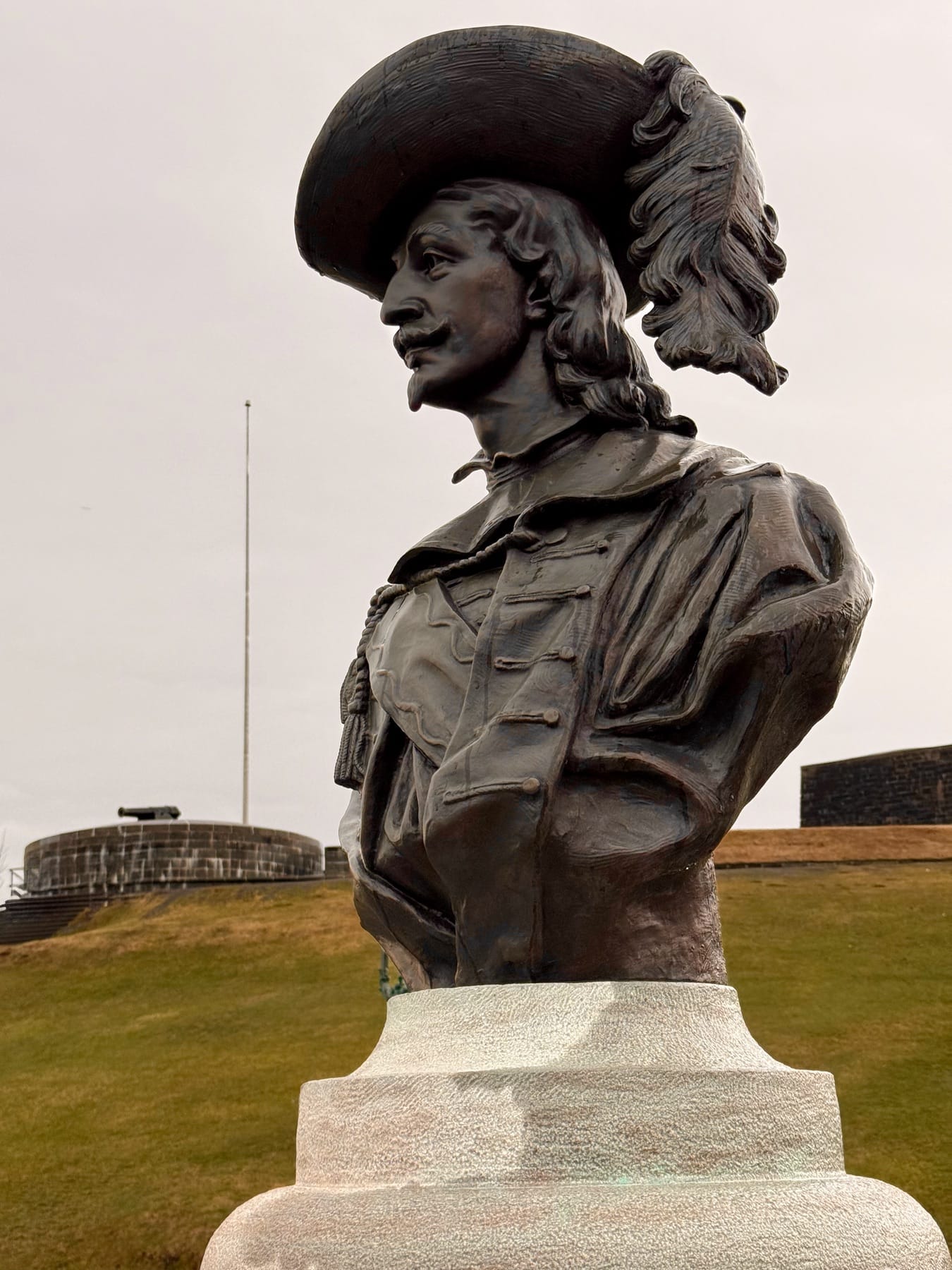
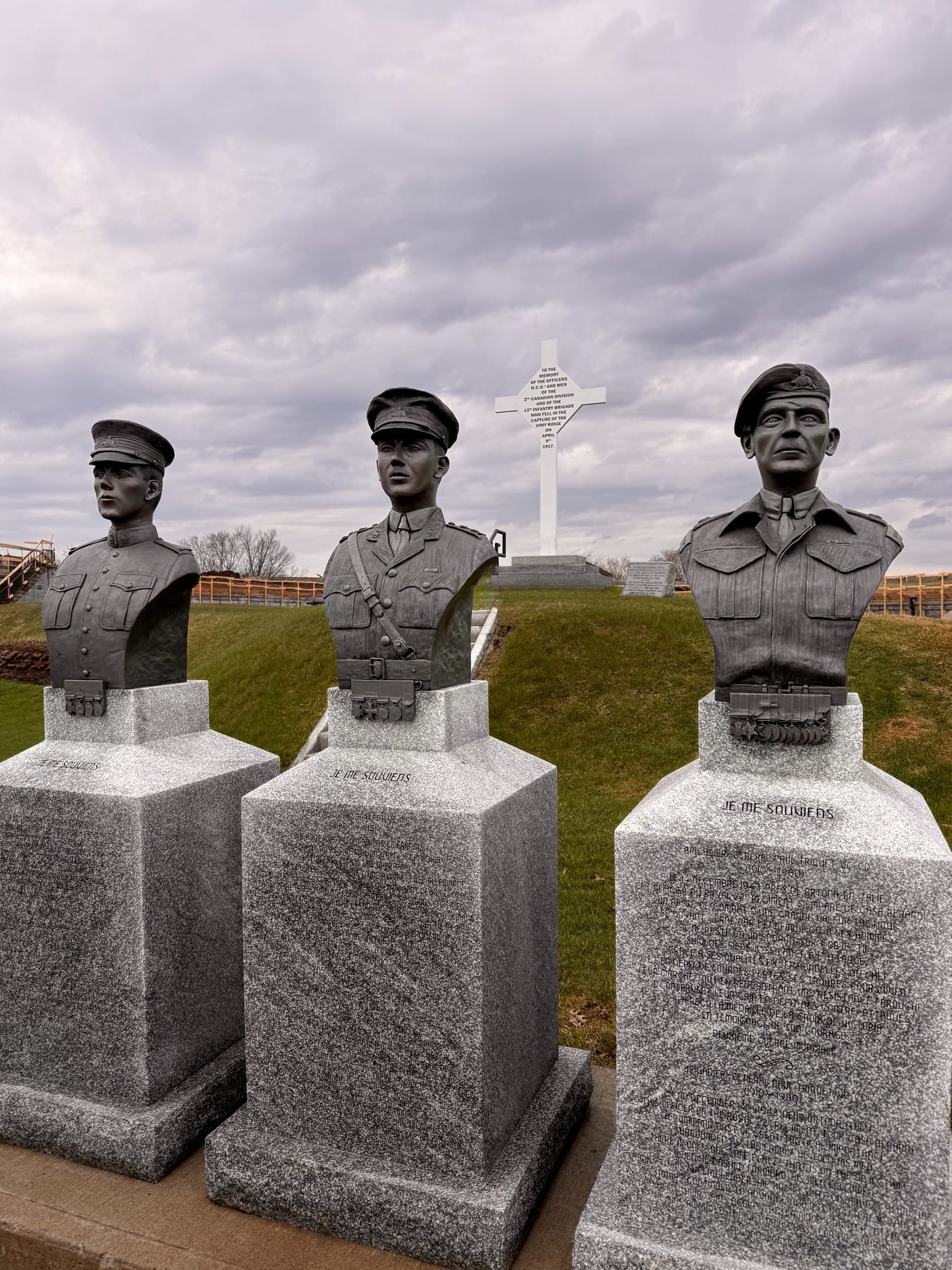
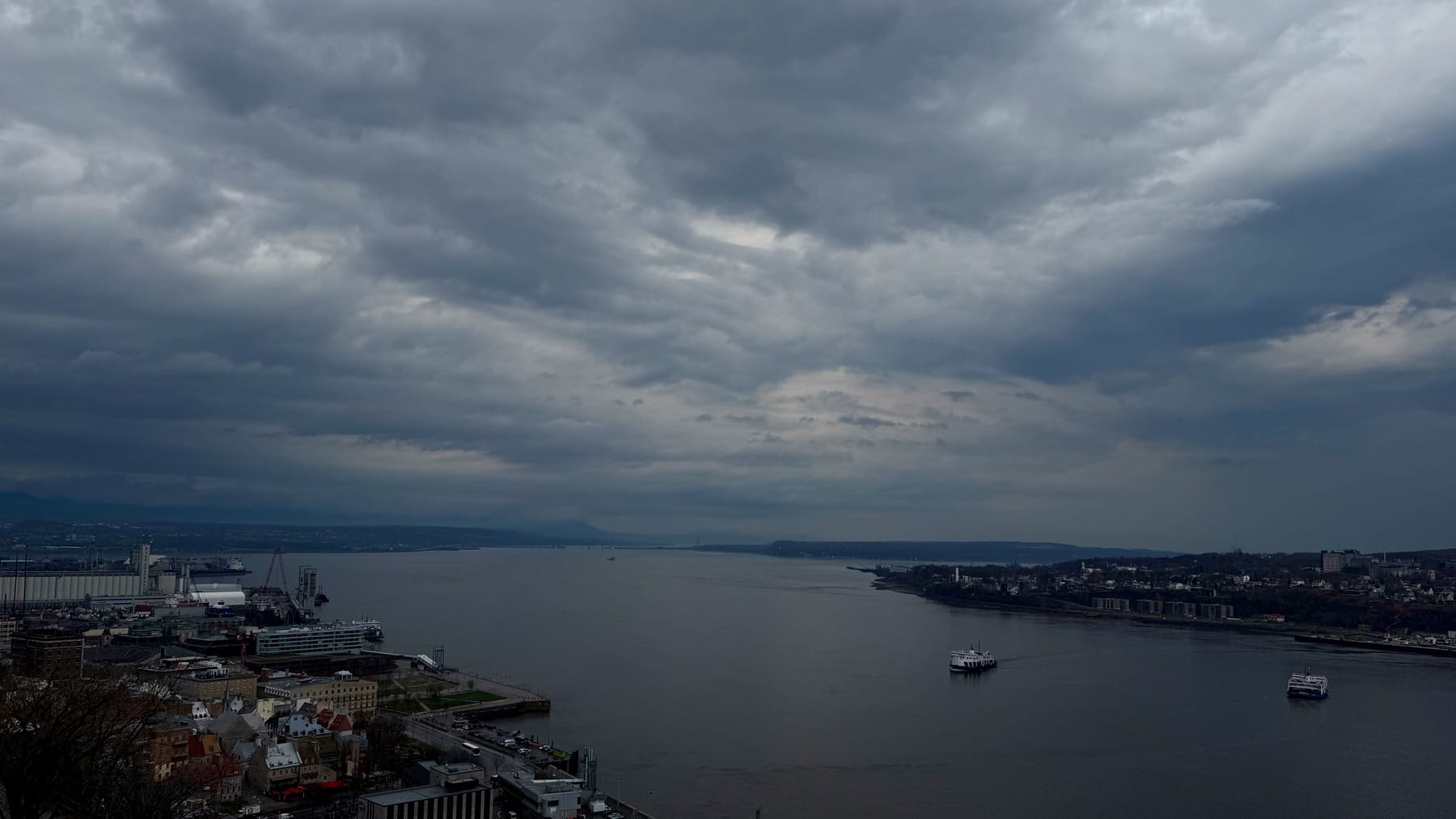
Click an image to enlarge. Clockwise from top left: Champlain monument on the way to the Citadelle; inside the Citadelle; Commanding Officer's house with cannon and official transportation; Baptiste on parade (stock photo); Vandoo VC winners; St Lawrence River from Cap Diamant.
6–8 May 2026: Ottawa
Houses of Parliament
6 May (Wednesday): You need an invitation (usually from your Member of Parliament) to watch the House of Commons in action from the spectator gallery. Fortunately, Clayton had taken the initiative again and emailed his MP for the necessary credentials. This just meant an early start to reach Ottawa by 12:30 and clear through security. That took forever (Wednesday is apparently their busy day) after which the session was a bit of a let-down – with the members mostly talking past one another.
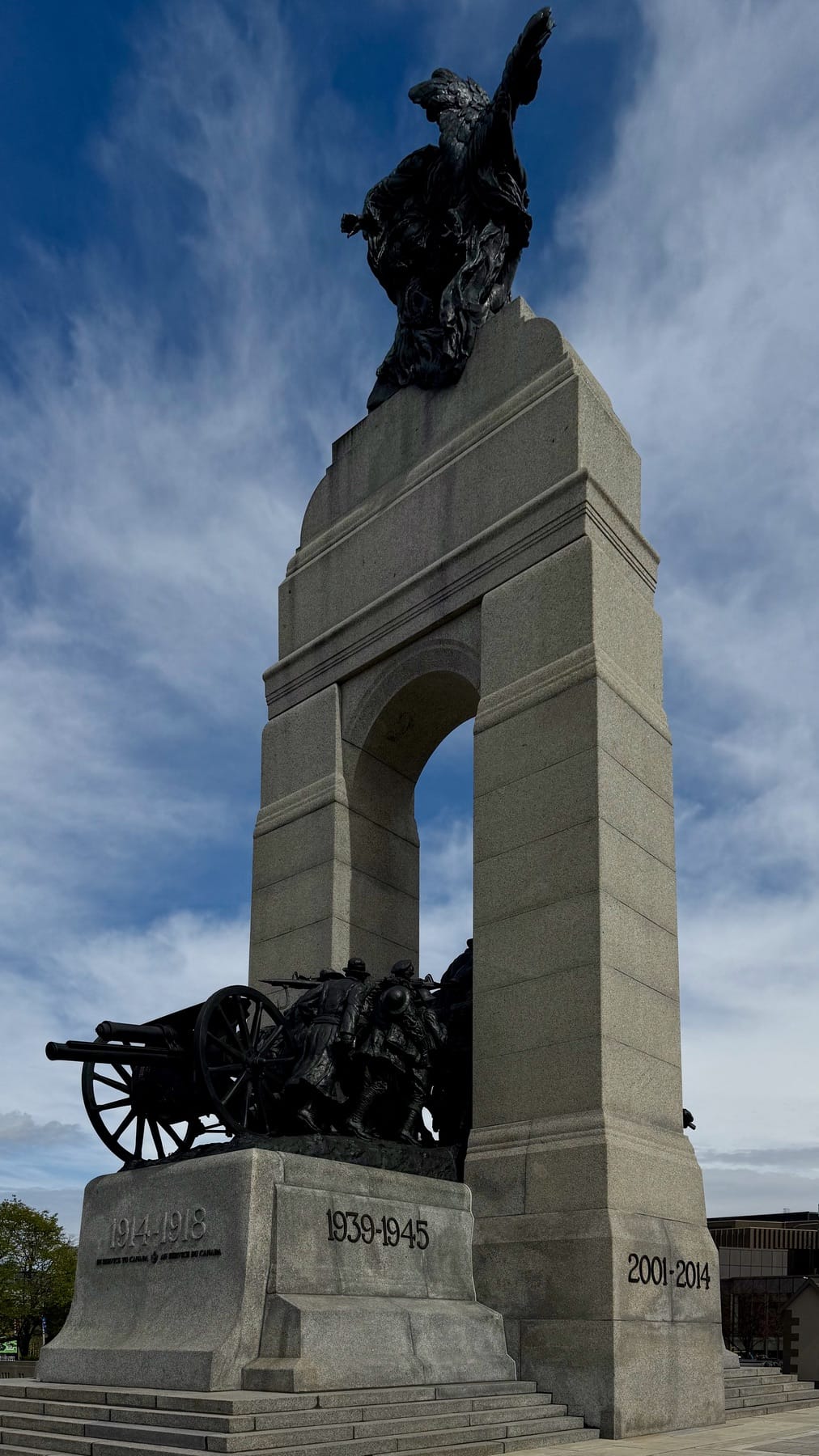
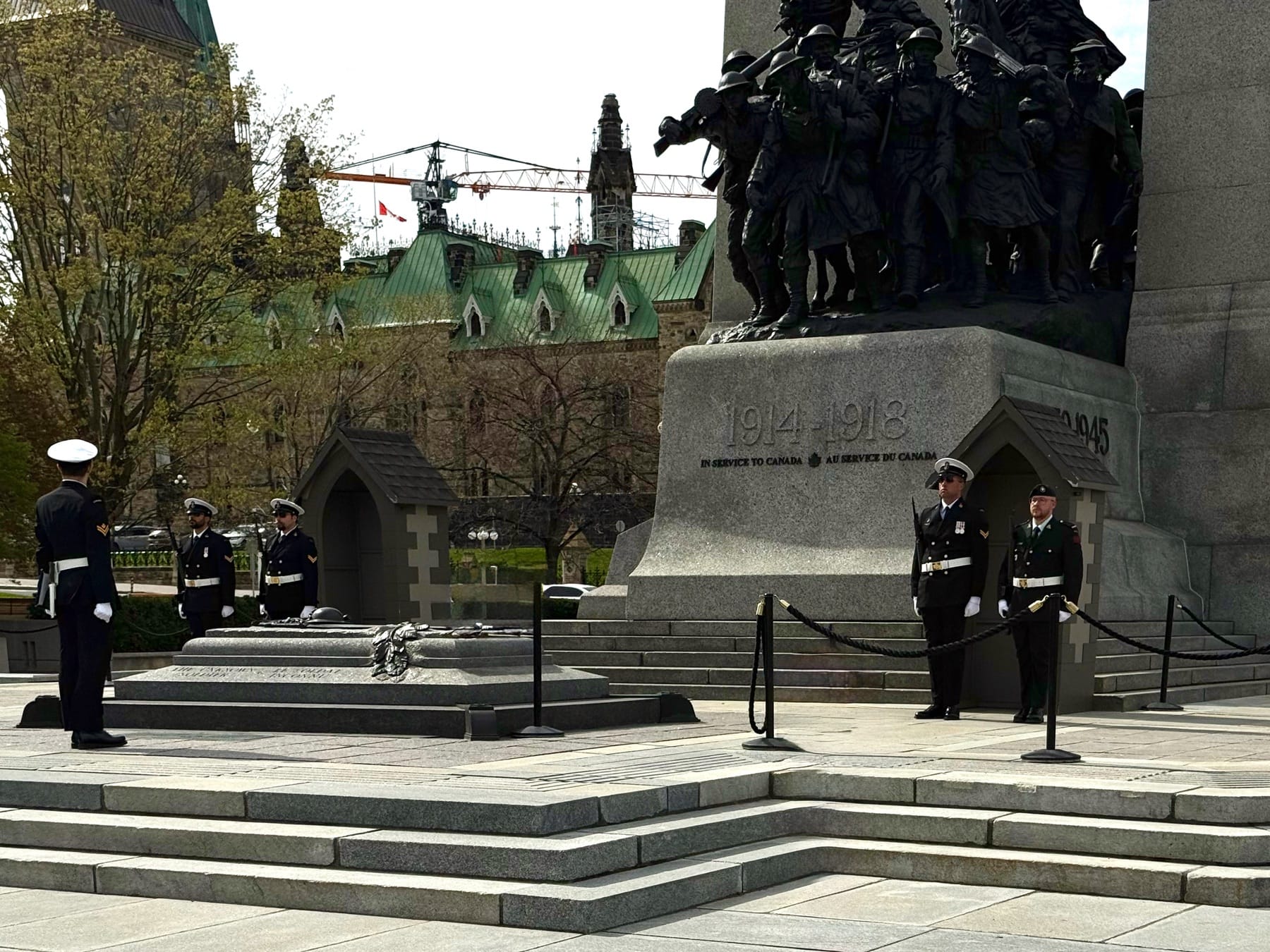
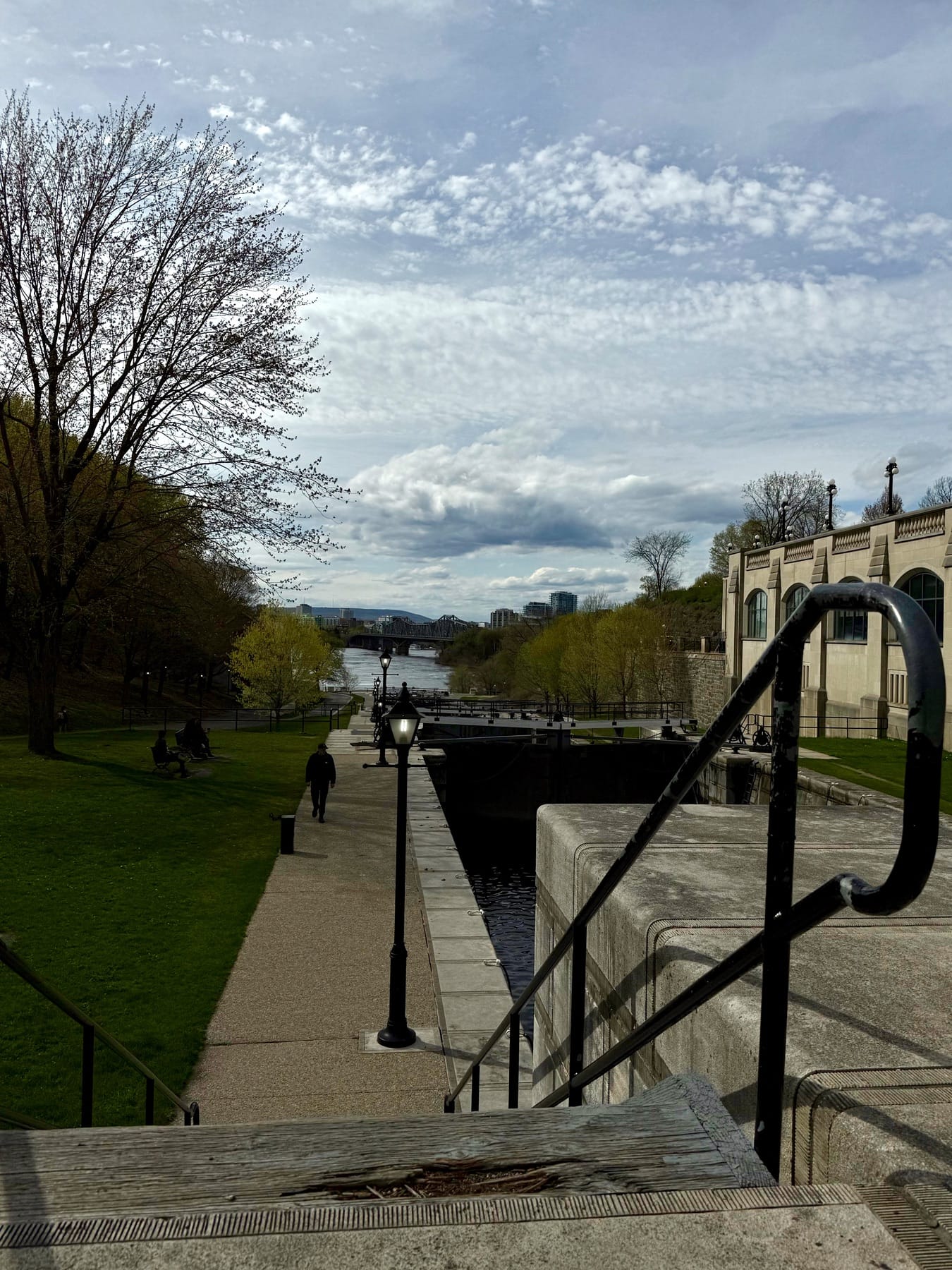
Having seen democracy in action, we spent the rest of the afternoon walking around the downtown, checking out the Rideau Canal and watching the changing of the guard at the National War Memorial, before checking into our rented house.
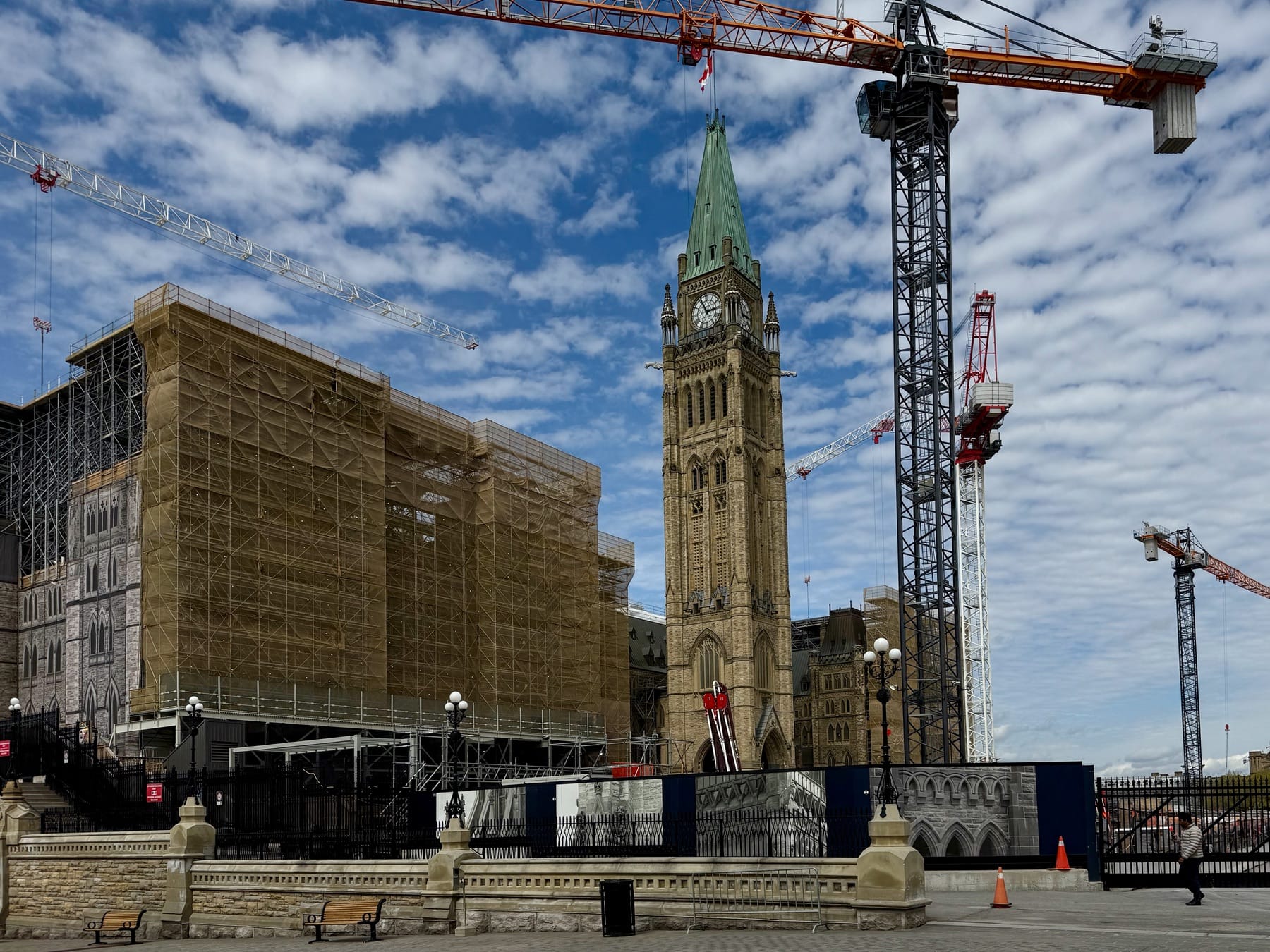
Click an image to enlarge. Clockwise from top left: Houses of Parliament under renovation; the National War Memorial; changing the guard; the Rideau Canal.
Canadian War Museum
7 May (Thursday): The Canadian War Museum’s newish home on the banks of the Ottawa River has enough space for extensive chronological galleries that do a pretty good job of telling the story of warfare in what is now Canada from pre-European times to Afghanistan and the present. Remarkably, for an official museum it gives an even handed account of the French-English struggle, including a frank portrayal of the political conflicts after the conquest, which Confederation attempted to resolve.
Even the indigenous people, often sentimentalized as pastoral stewards of the land, are shown as complex societies, with their own ancient history of warfare. When Europeans arrived, they adapted to modern weaponry by abandoning open battle for skirmish tactics. And they curried alliances with the newcomers to gain advantages over their tribal rivals (with tragic consequences), as much as the Europeans sought to use native support against their own enemies.
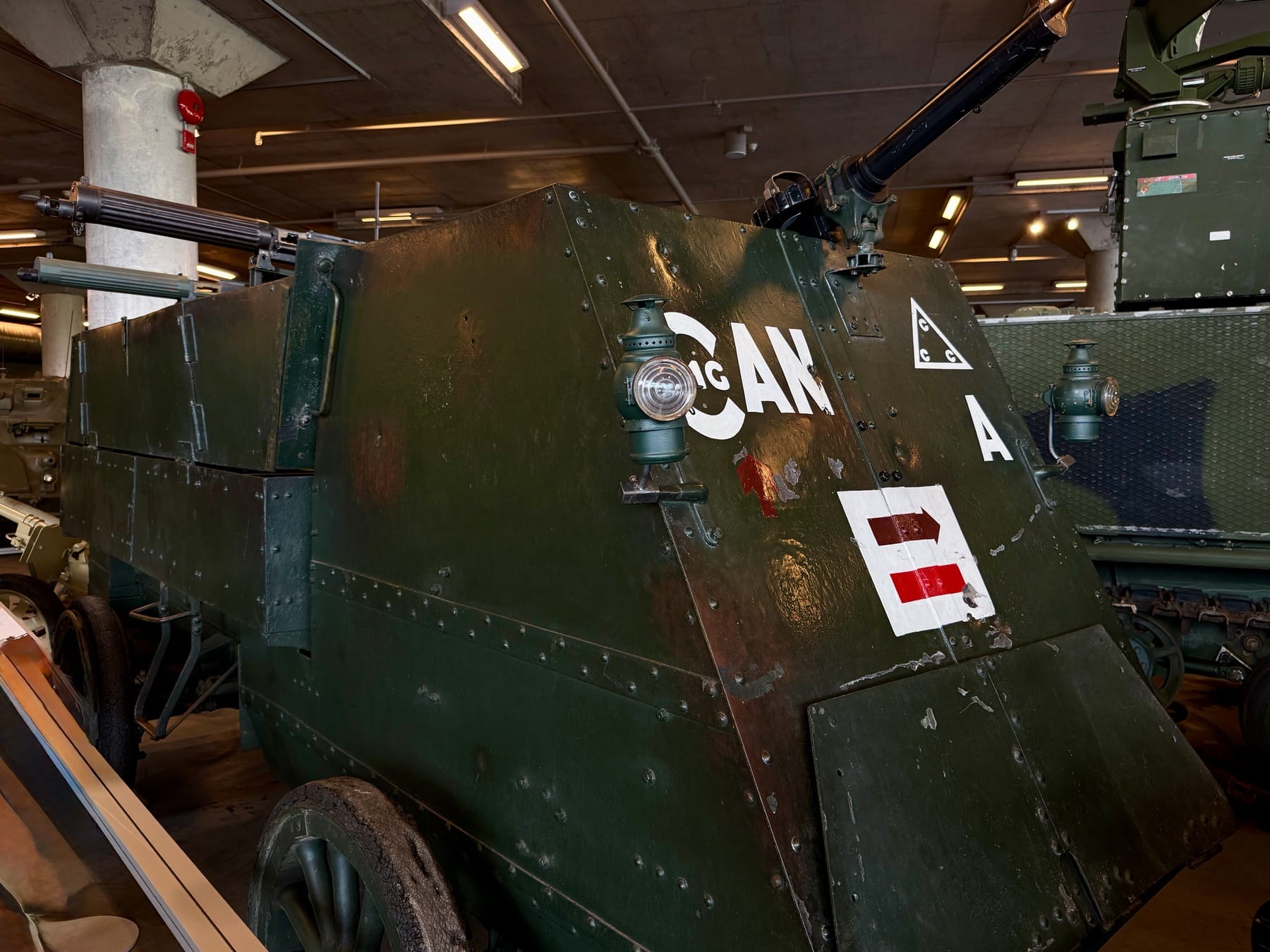
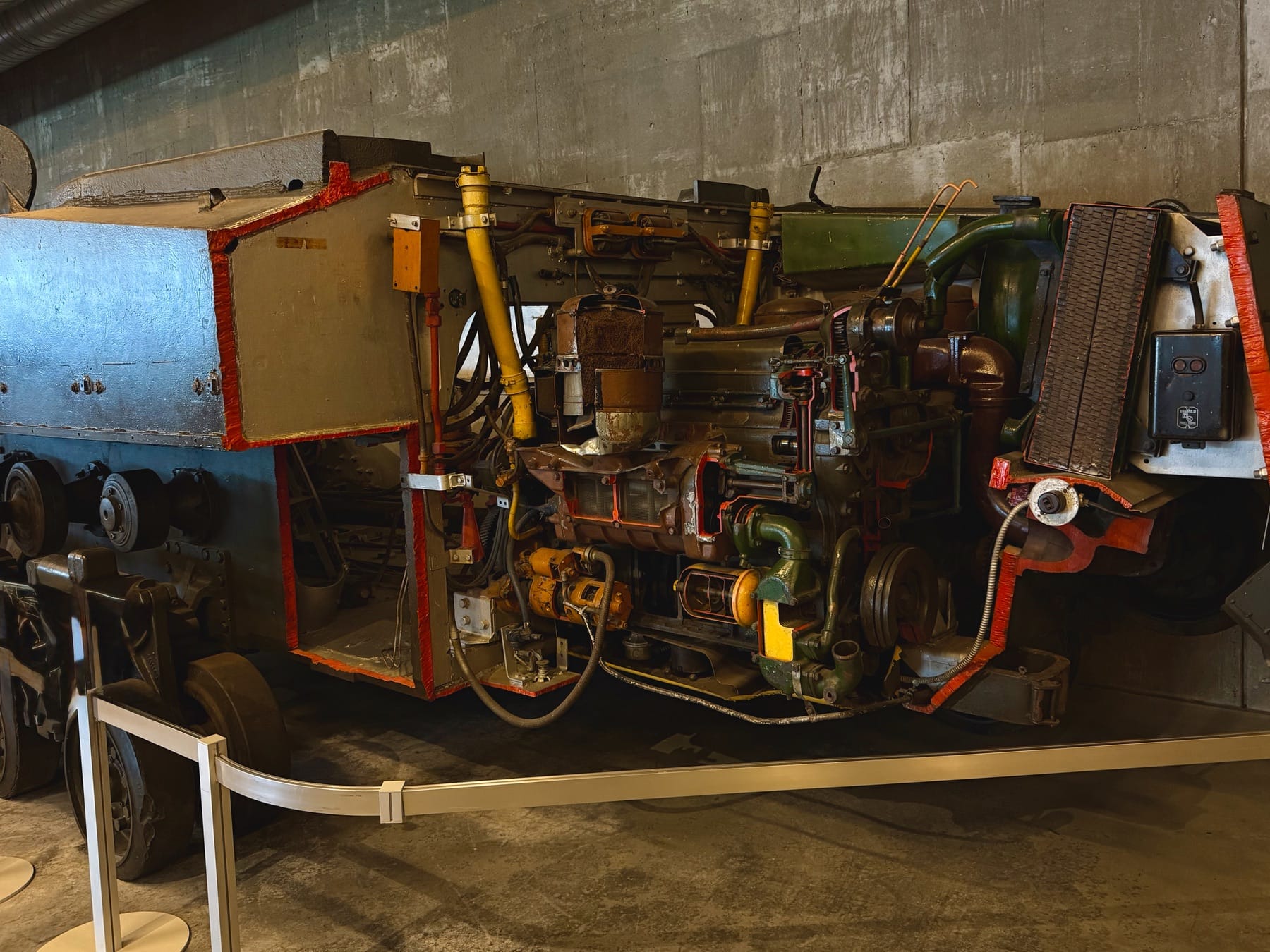
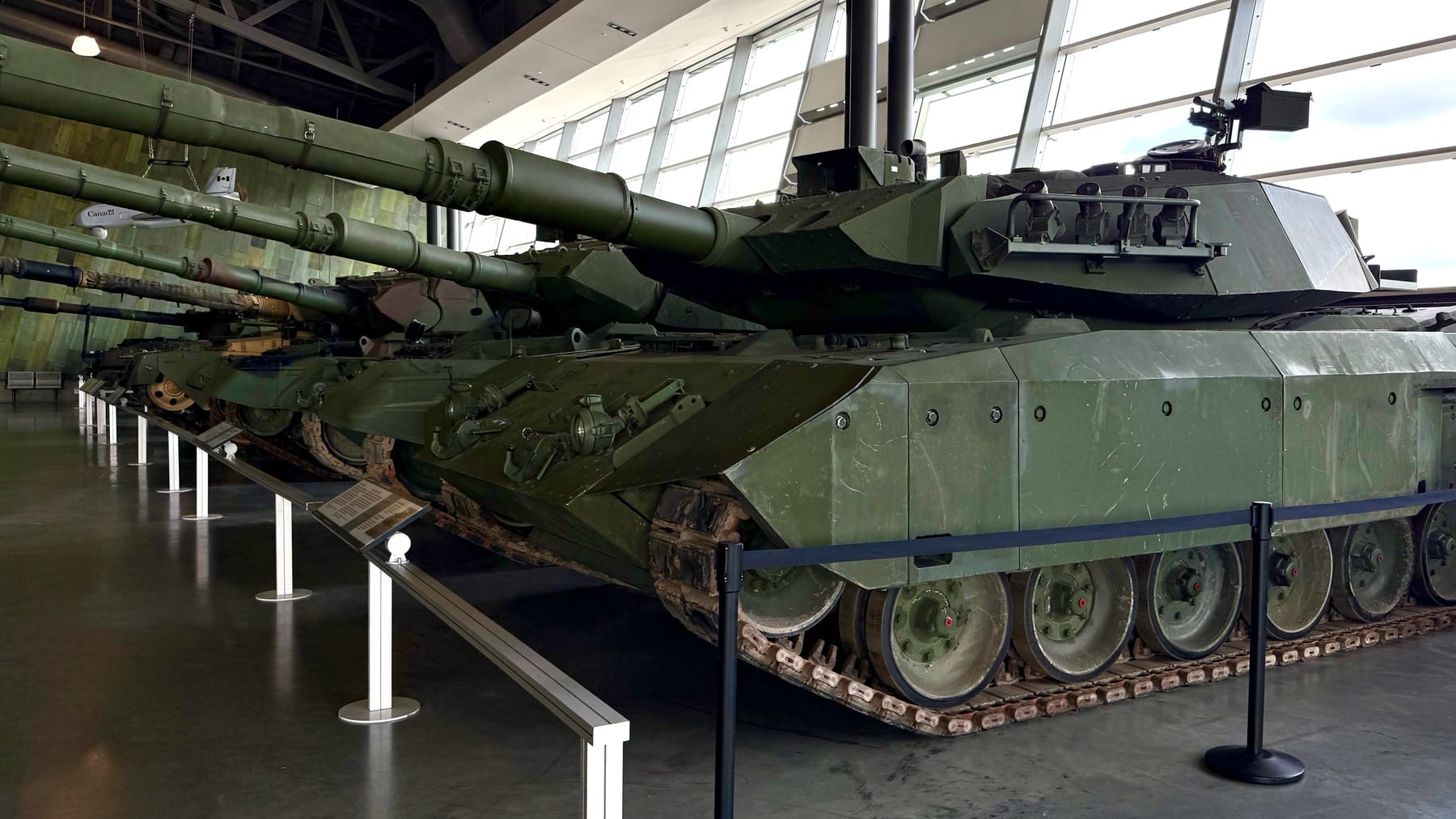
Click an image to enlarge. Clockwise from top left: Canadian WWI MG Carrier (our first "tank"); MG Carrier headlamp; WWII German Sturmgeschutz III; Stug III hit; WWII Canadian Staghound armoured car; WWII Sherman Tank sectioned for training; Canadian Service Leopard tanks.
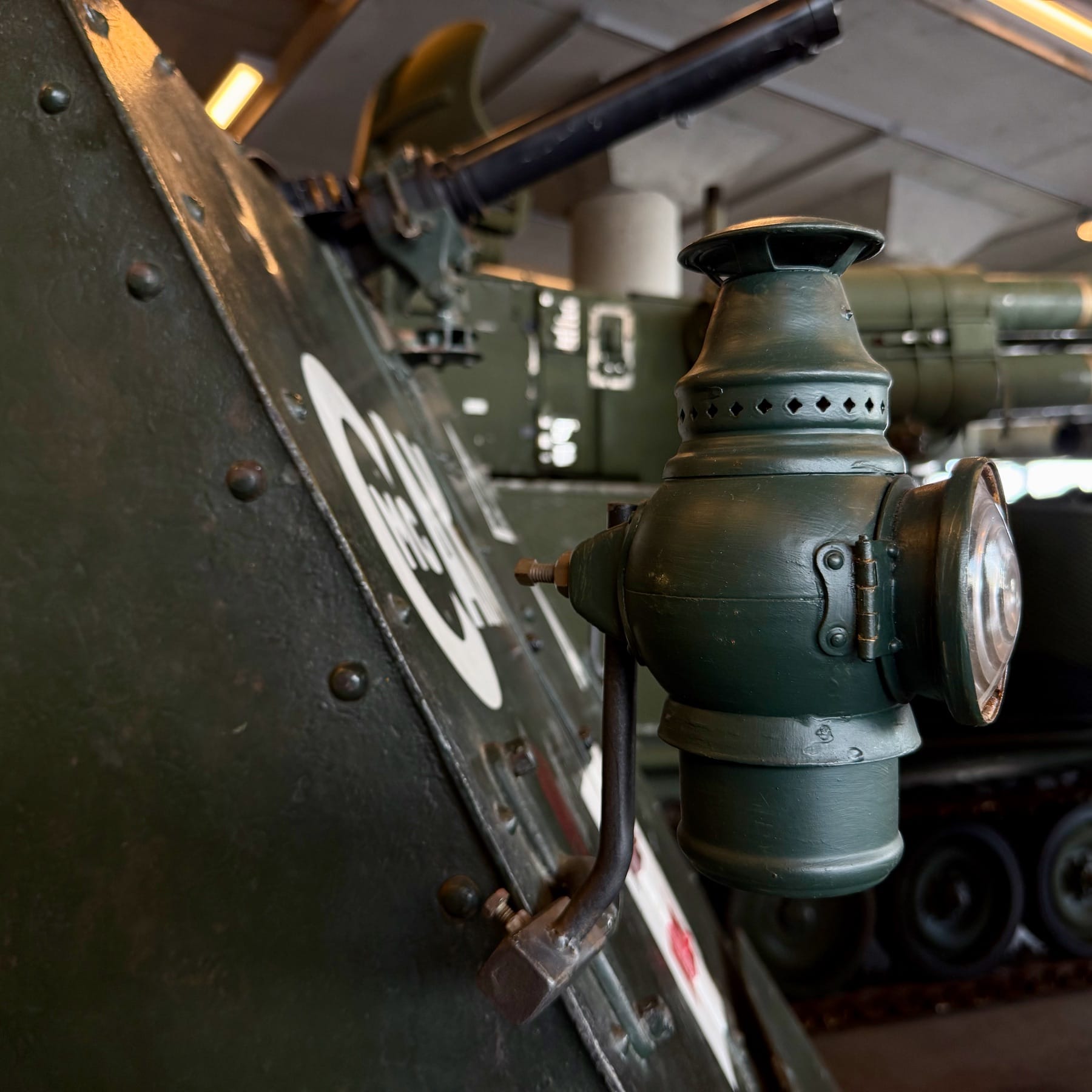
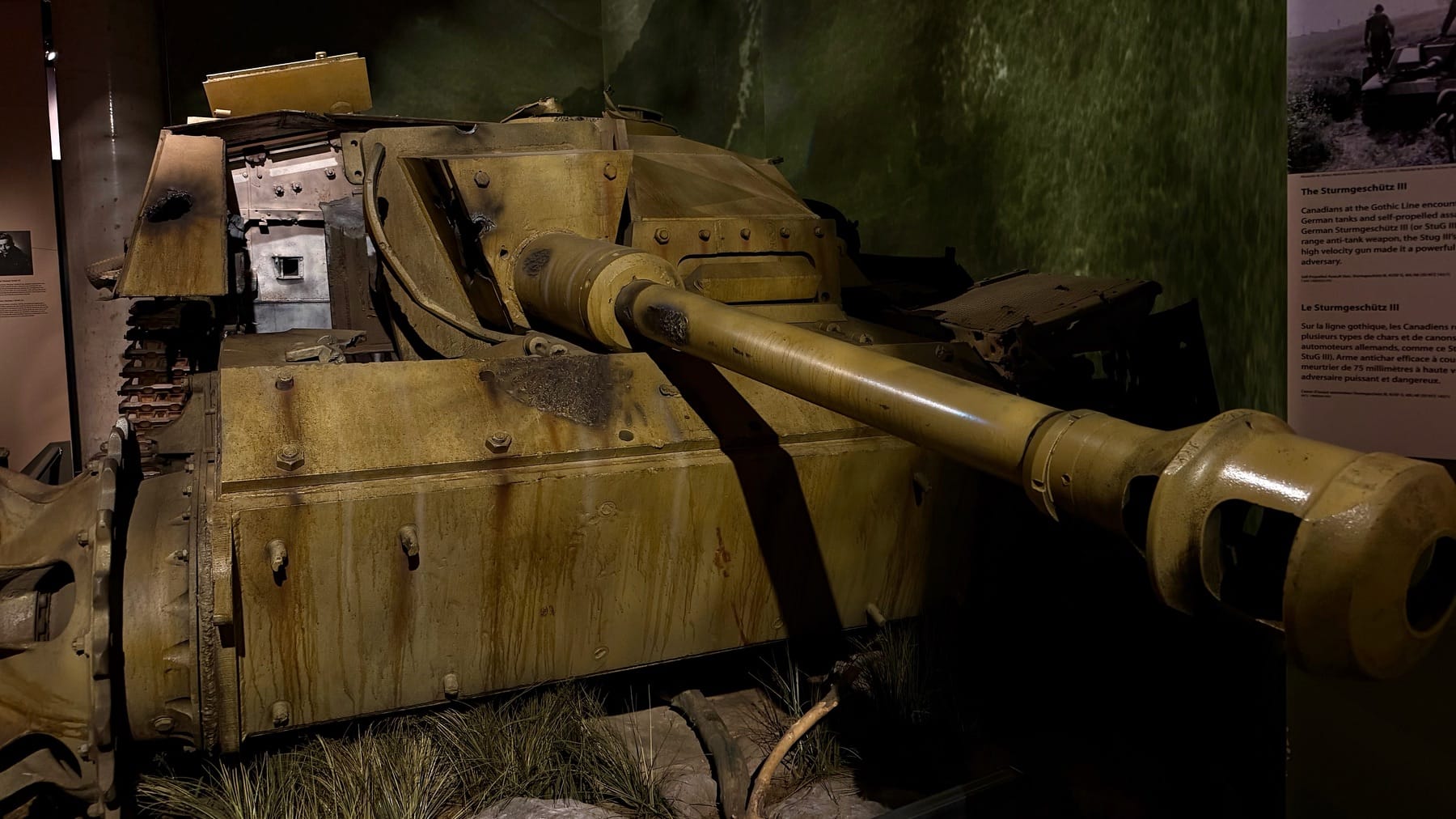
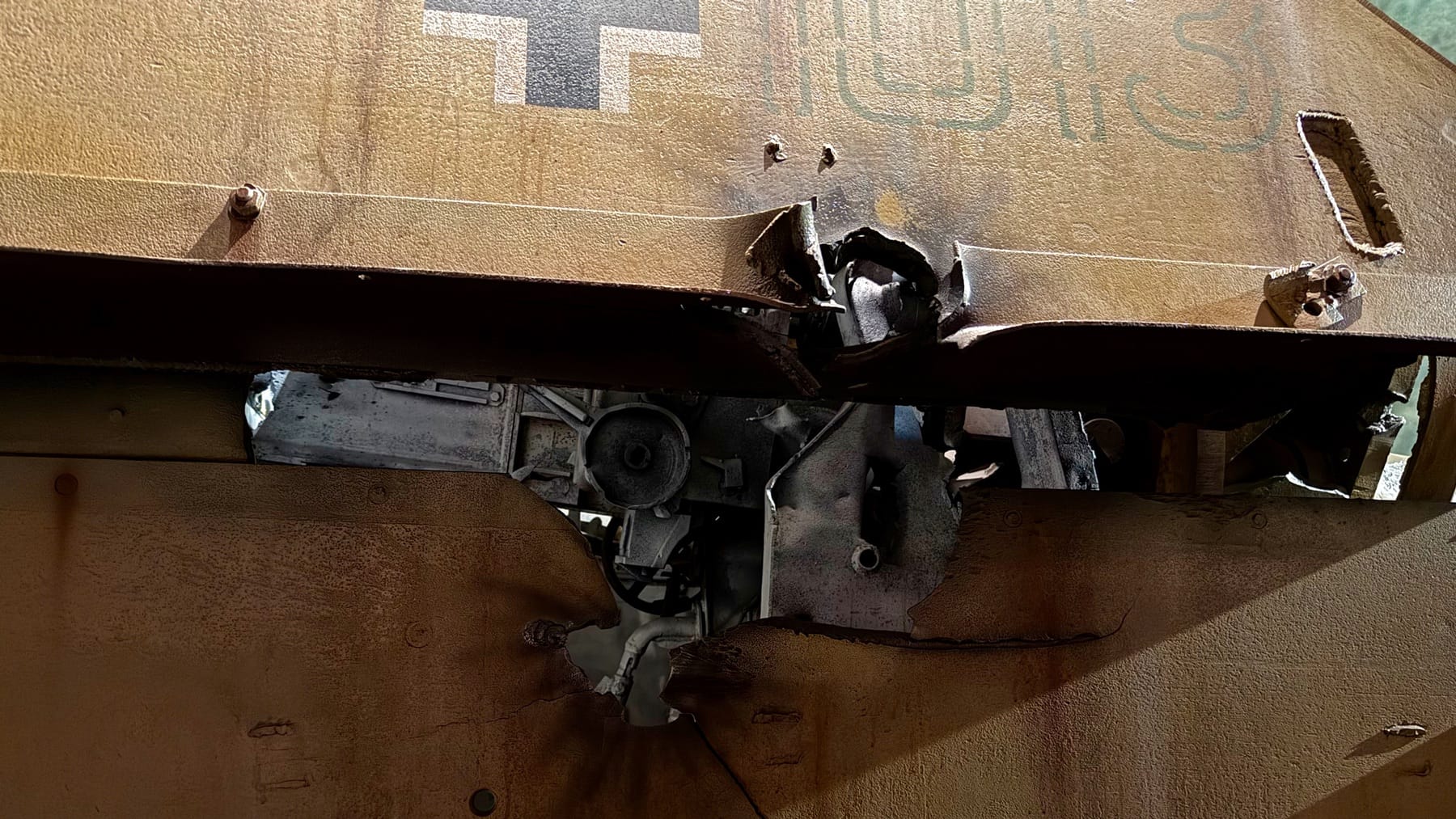
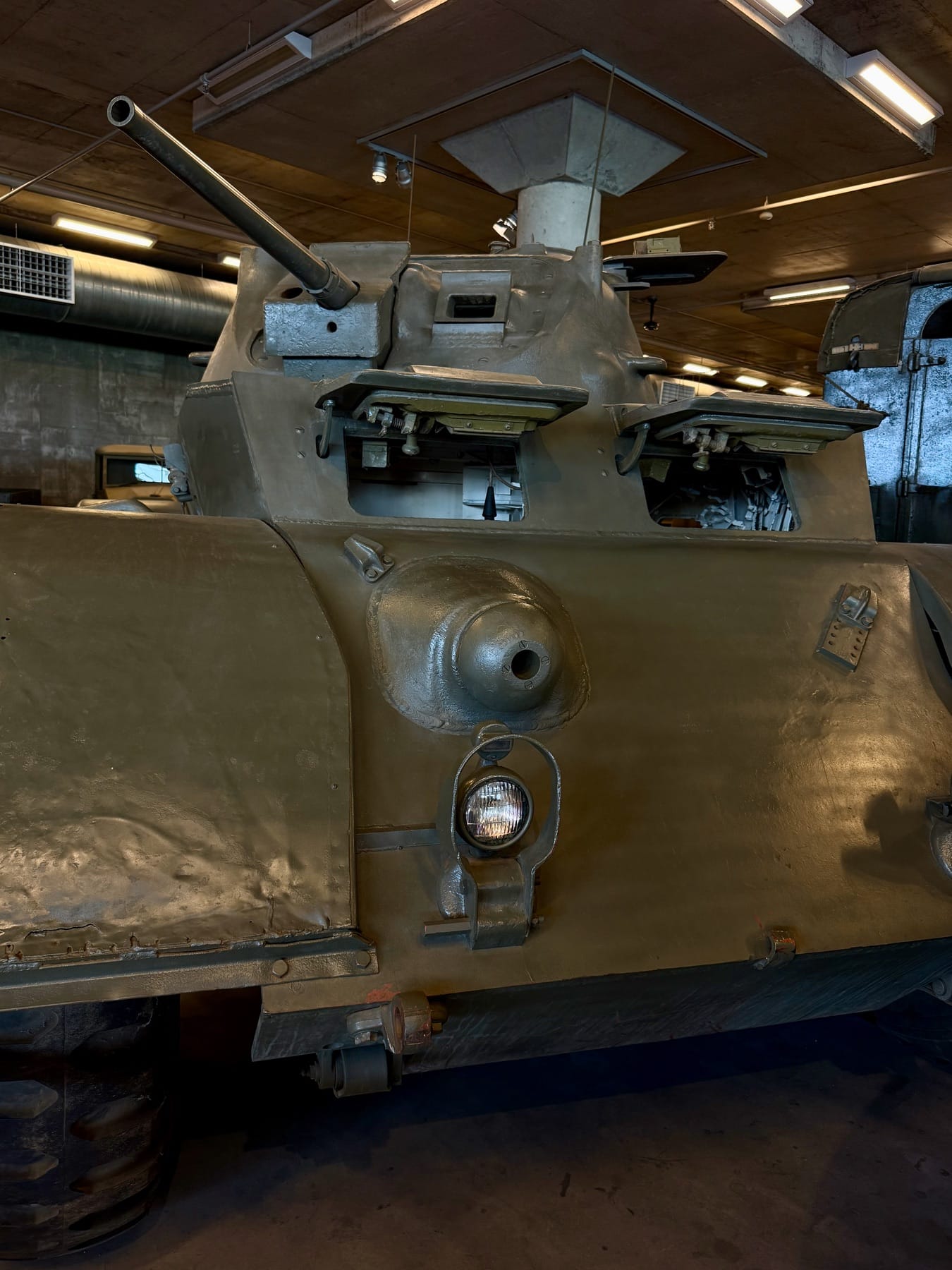
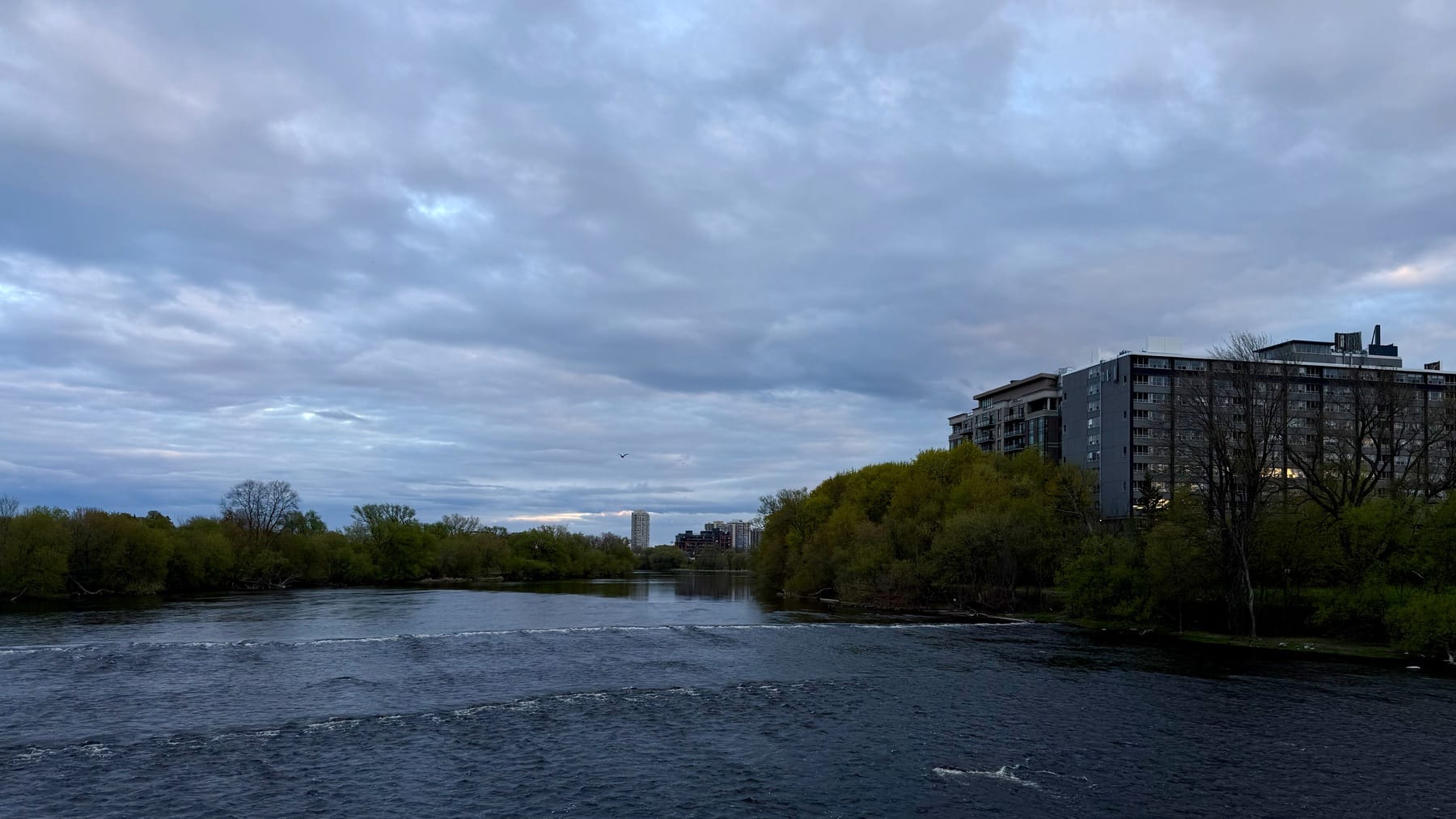
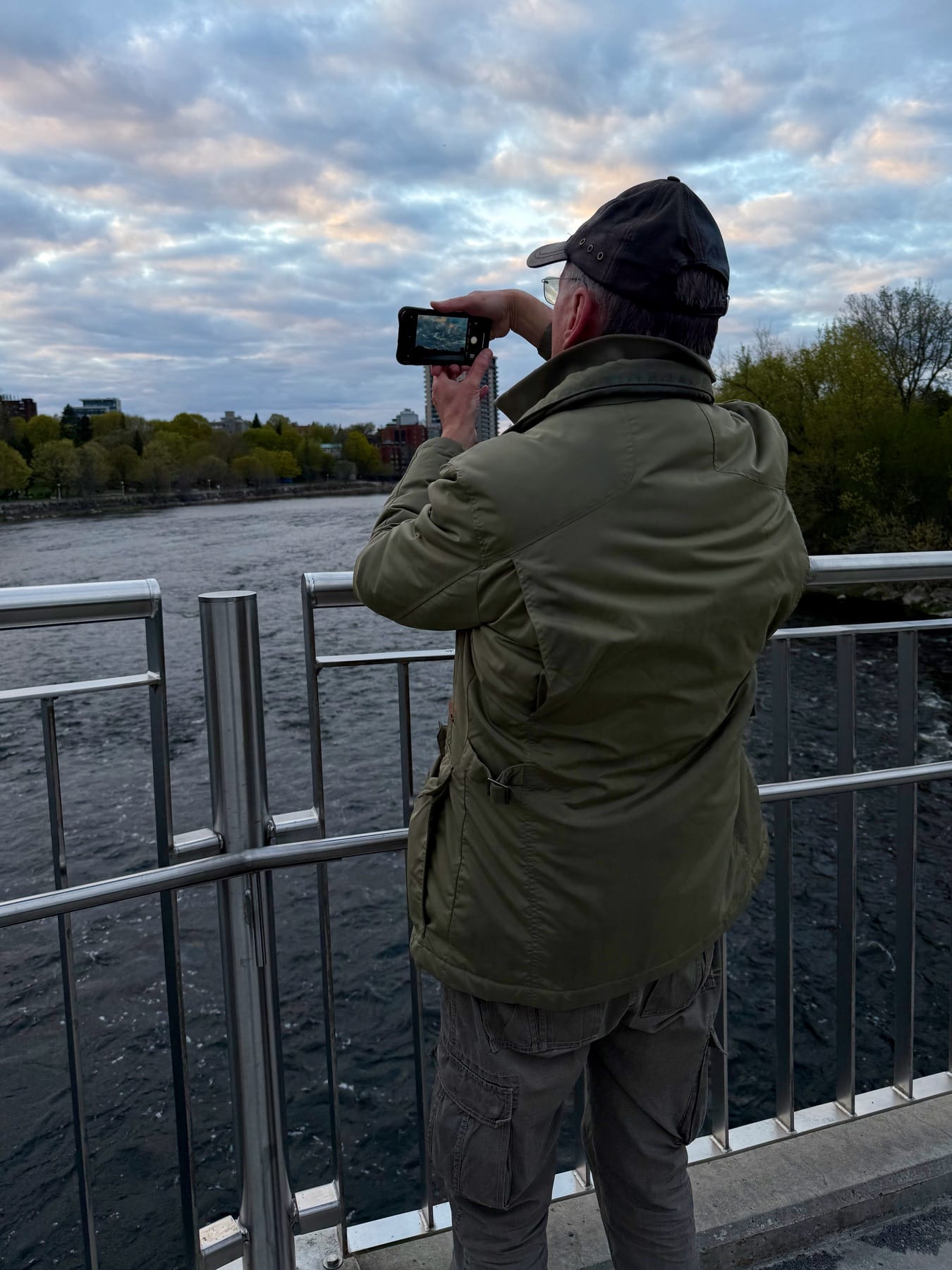
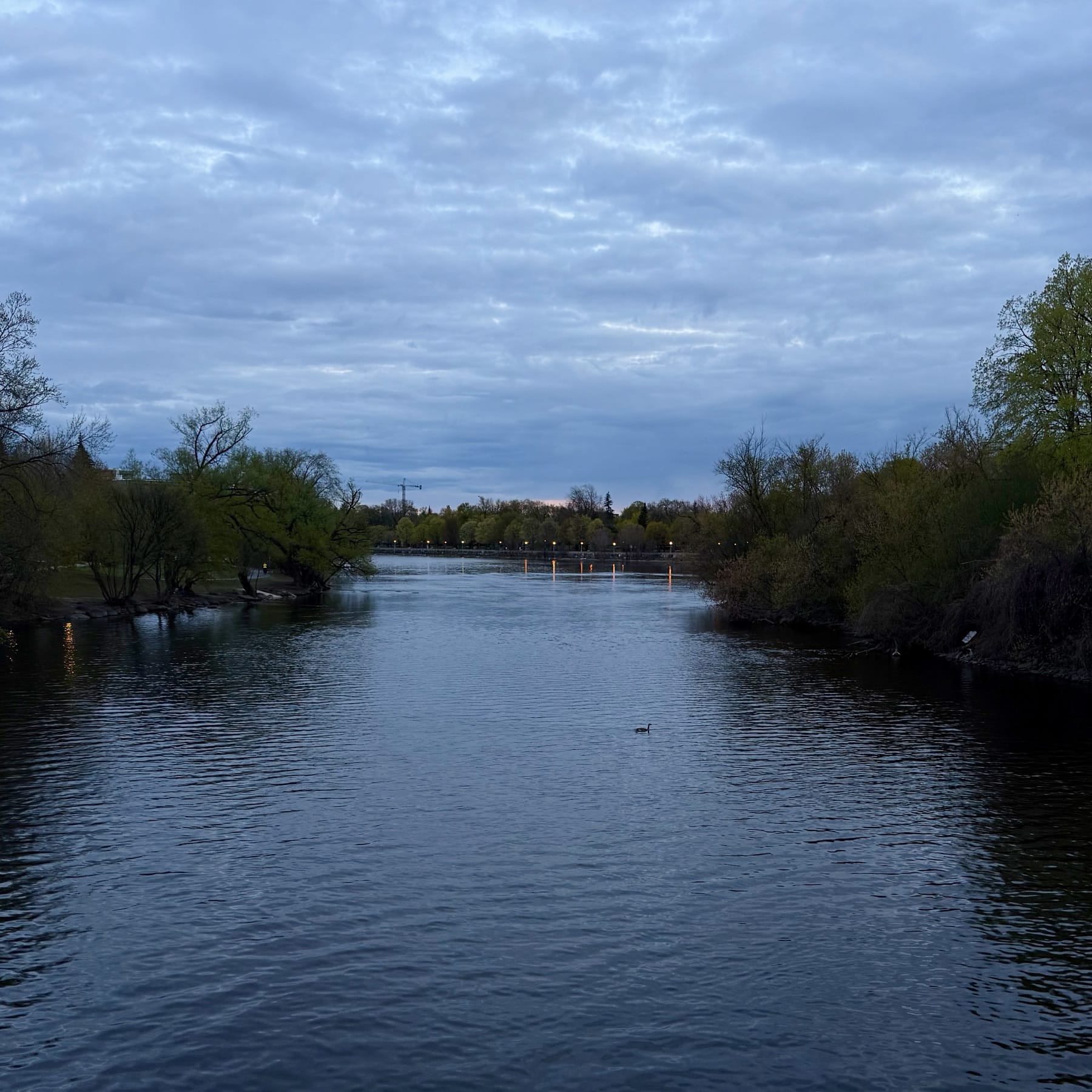
In the evening, a couple of us took a walk along the Rideau River – a chance to see a different side of Ottawa.
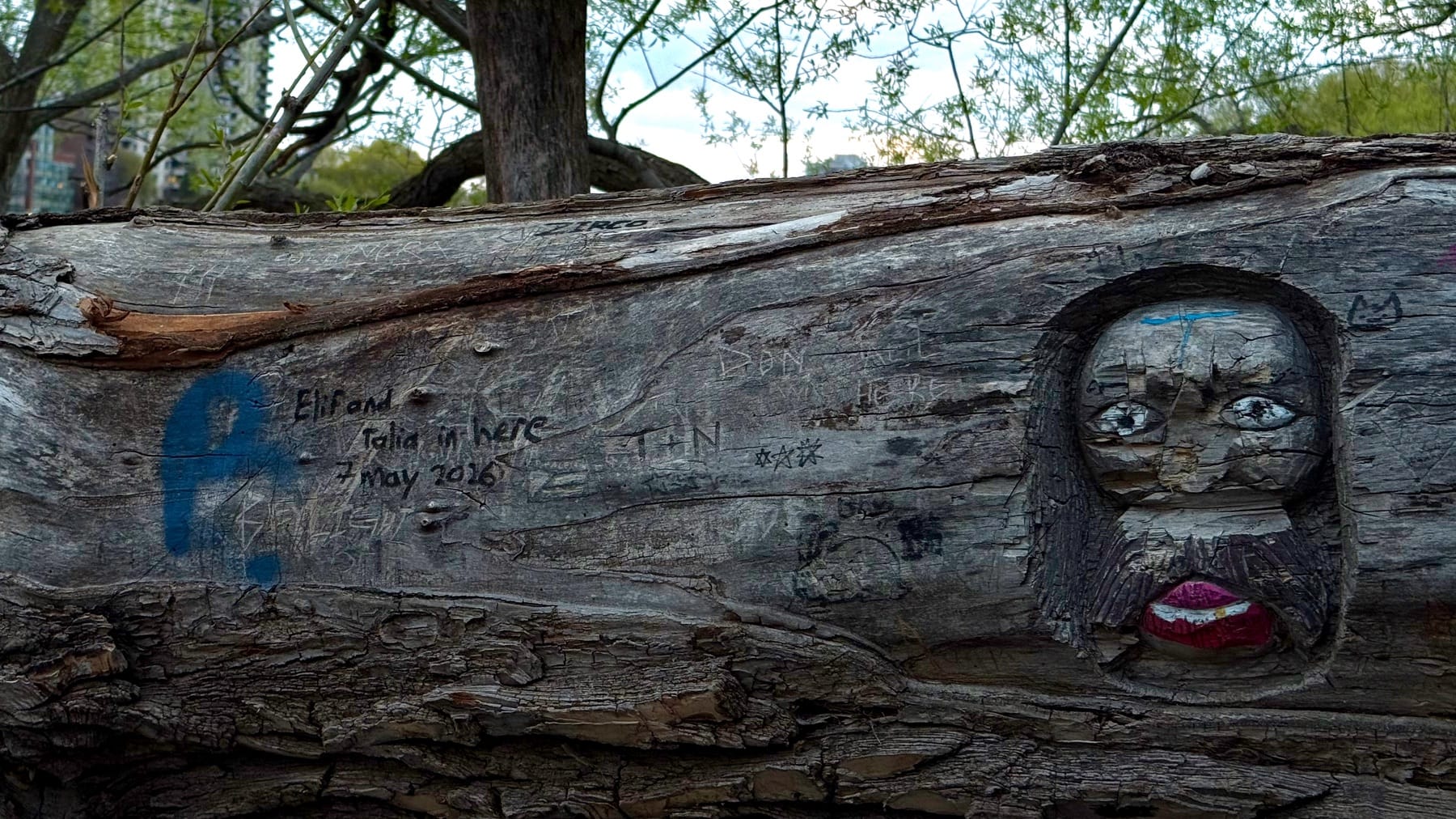
Click an image to enlarge. Clockwise from top left: the Rideau River; Joseph making art; vandals making art; Canada Goose on the Rideau River.
Canadian Aviation and Space Museum
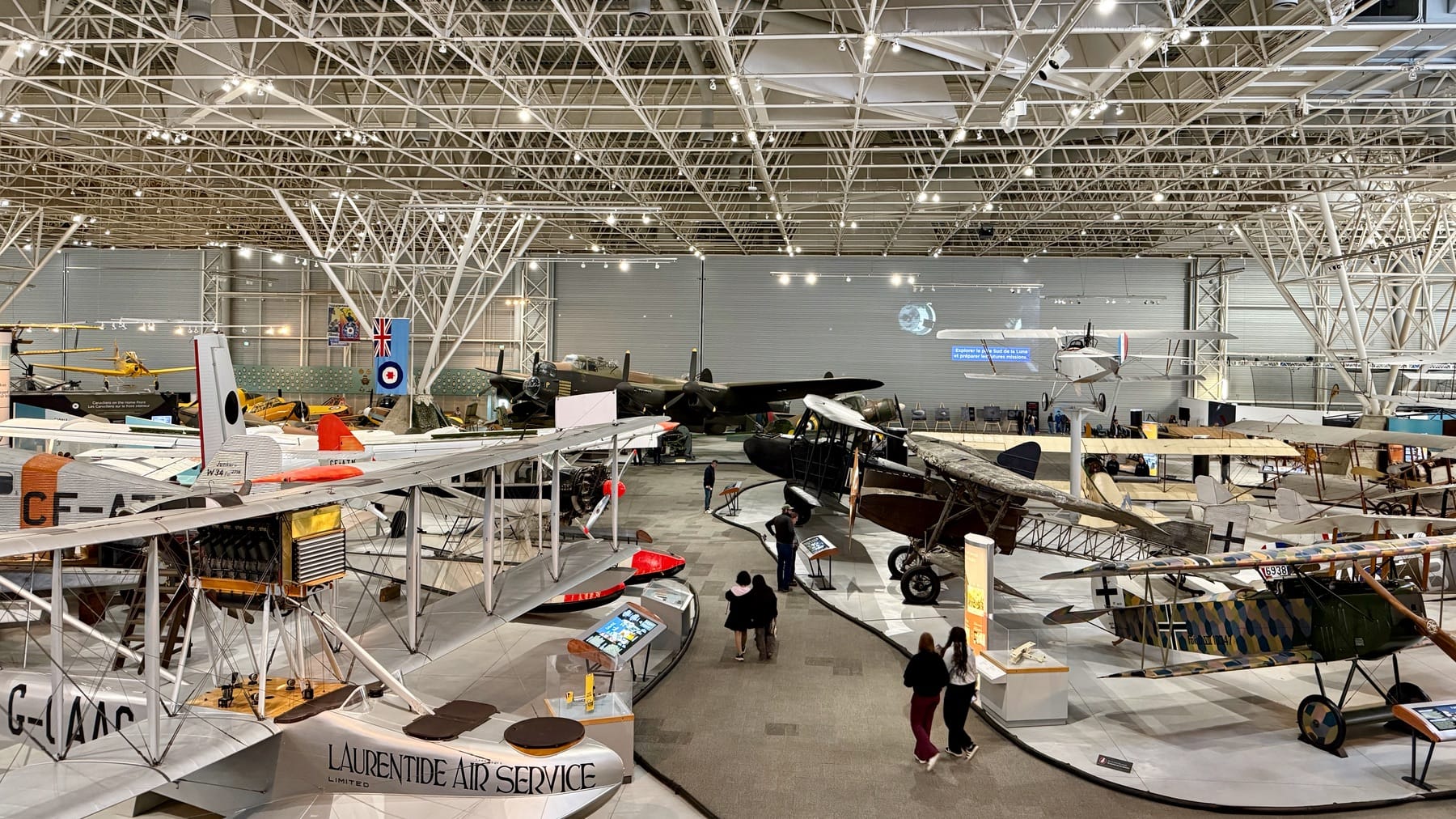
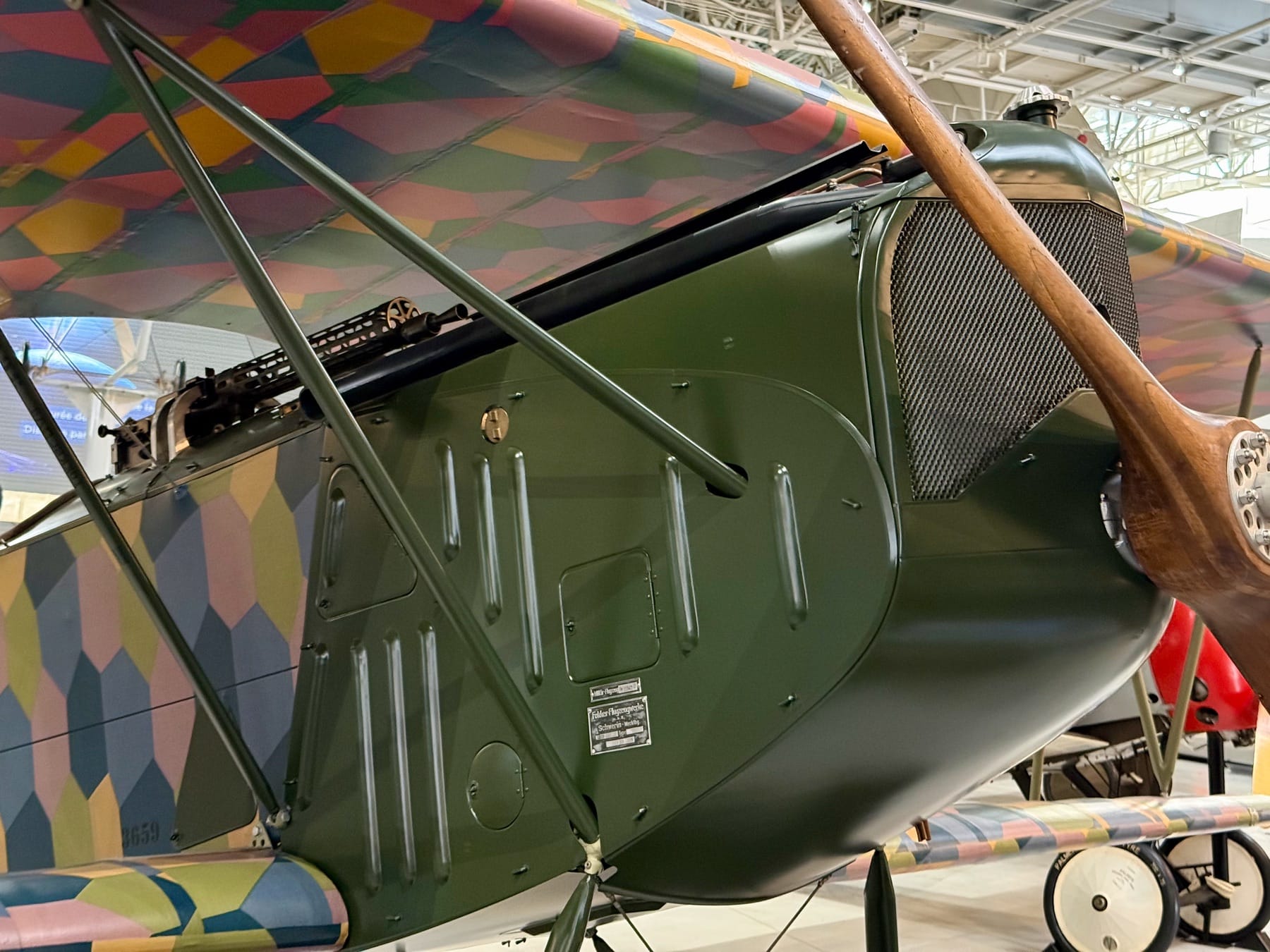
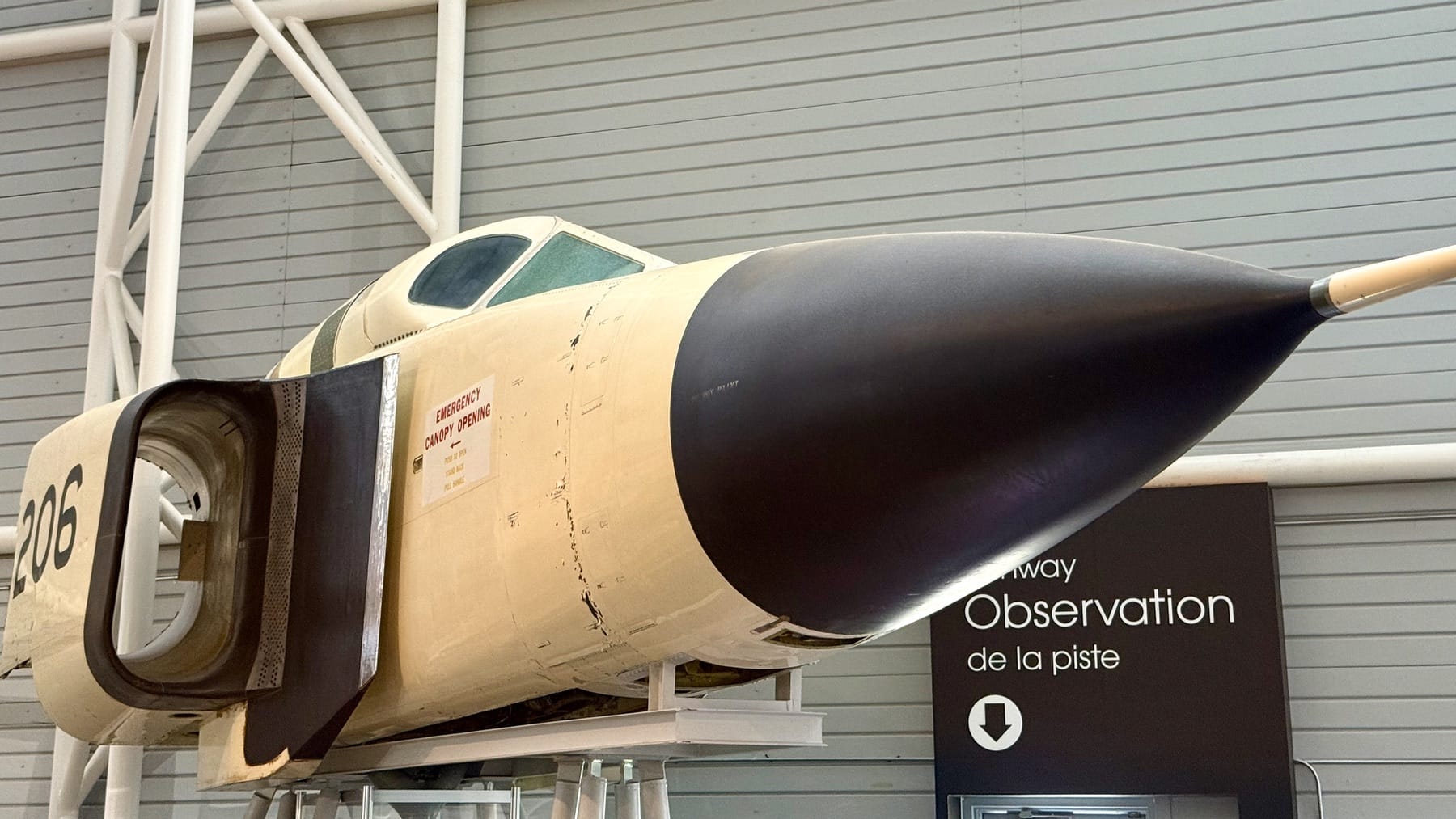
8 May (Friday): As the CWM visit had taken all day Thursday, we stopped at the Canadian Aviation and Space Museum on our way out of Ottawa. This was well worth the visit. The collection filled a positively huge hanger and included almost every significant aircraft in Canada’s history. Standouts were a good selection of extremely rare original WWI aircraft, and the only surviving bits of the iconic Avro Arrow (a nose cone and wing section).
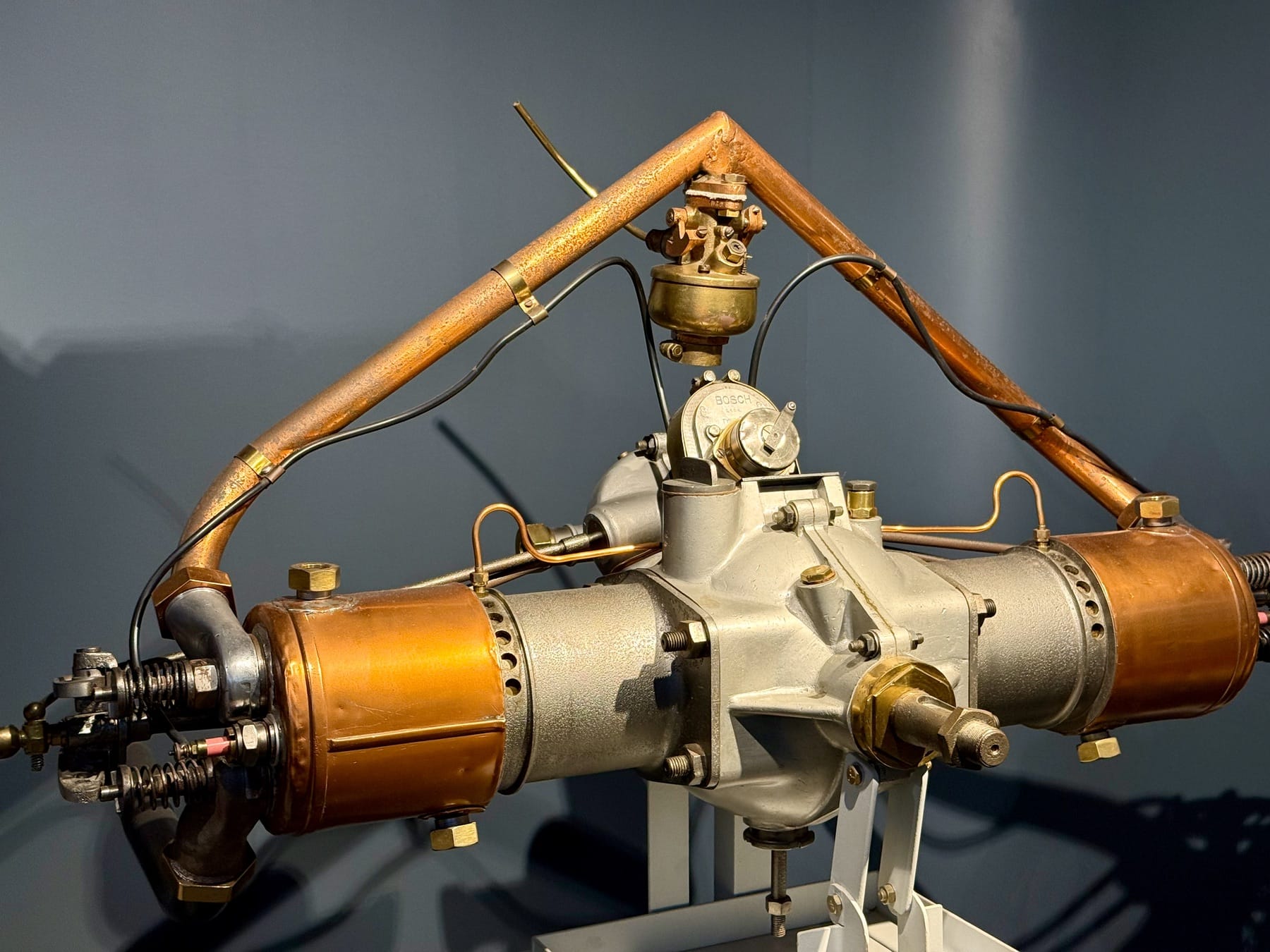
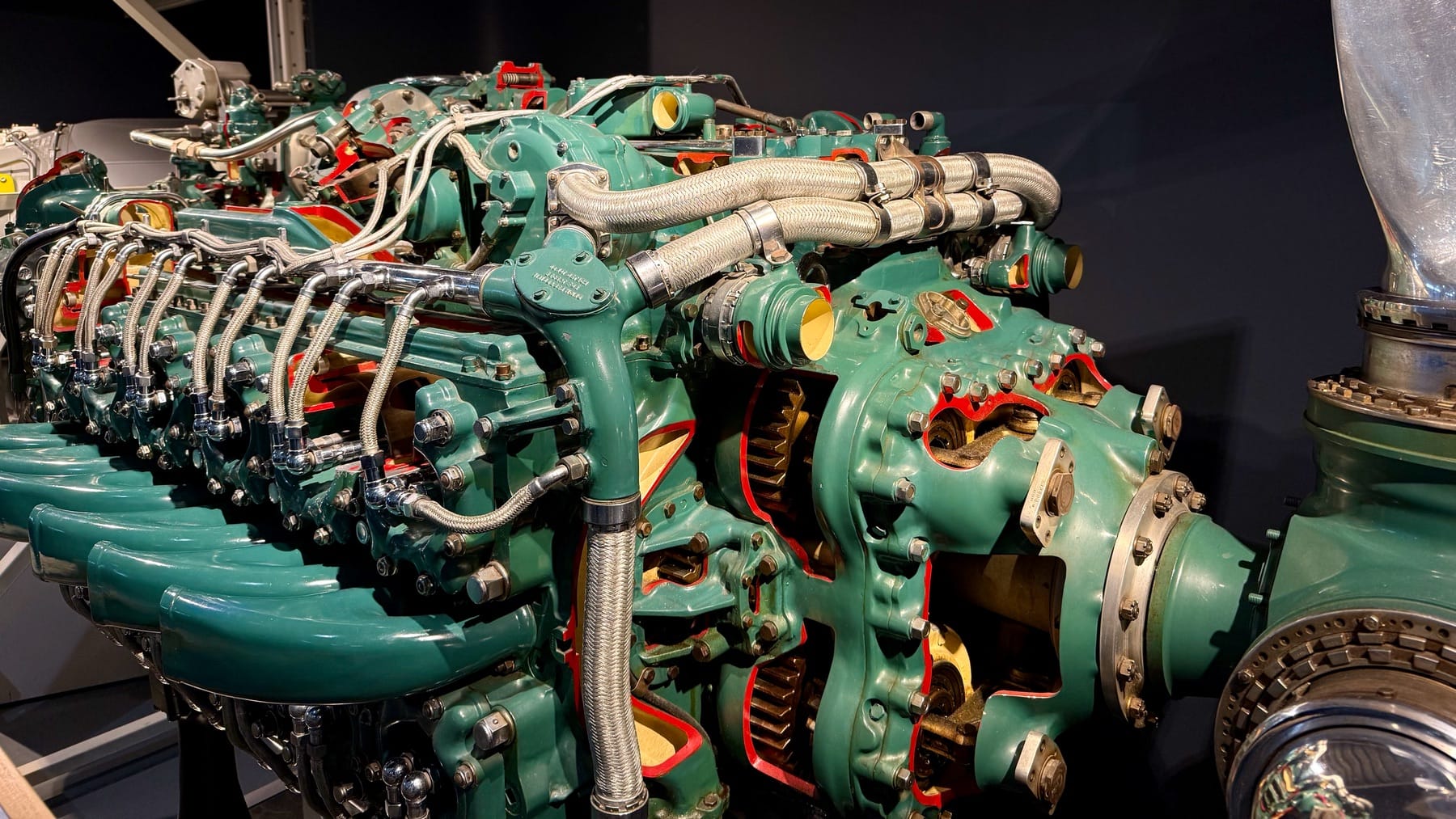
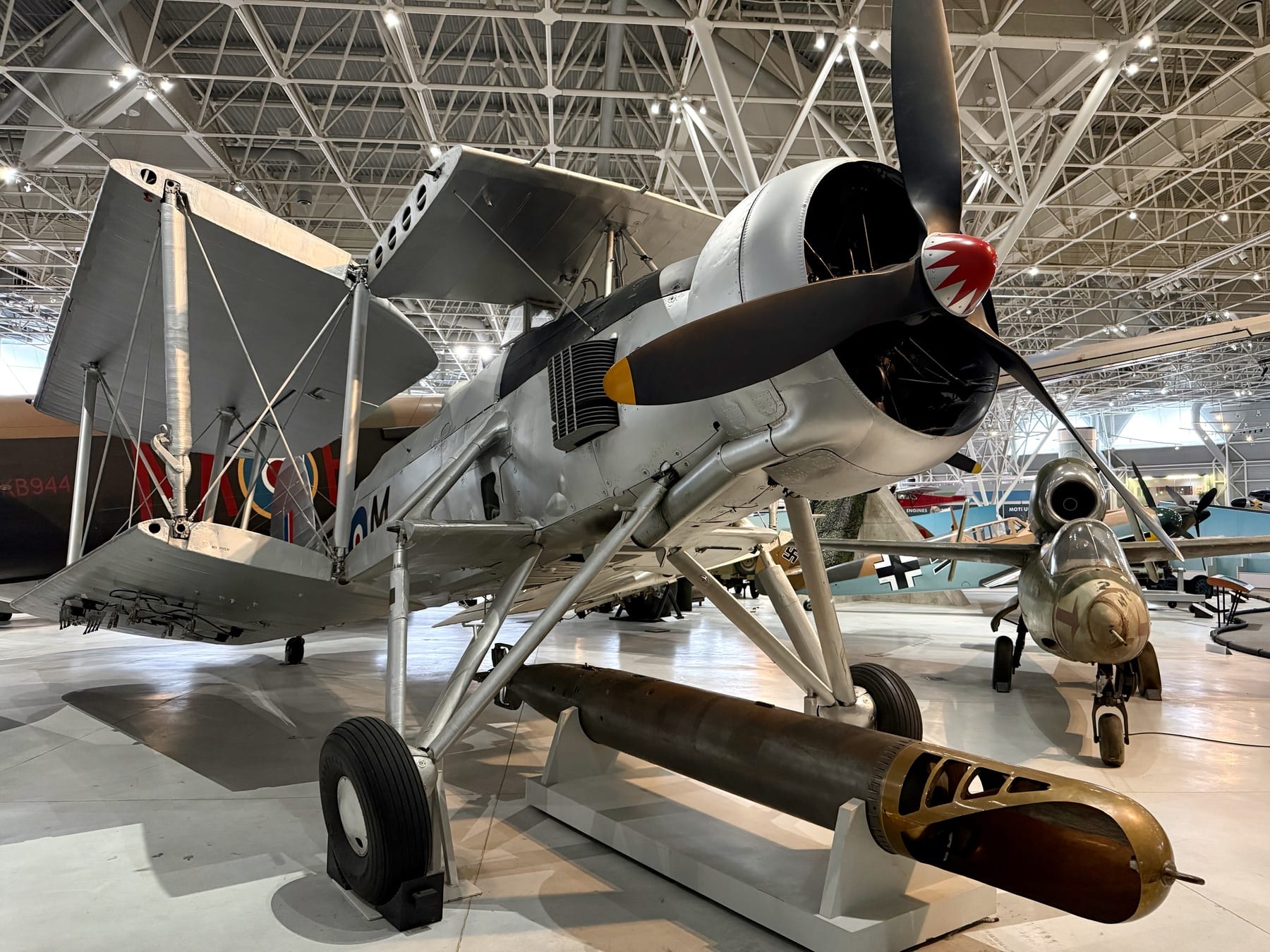
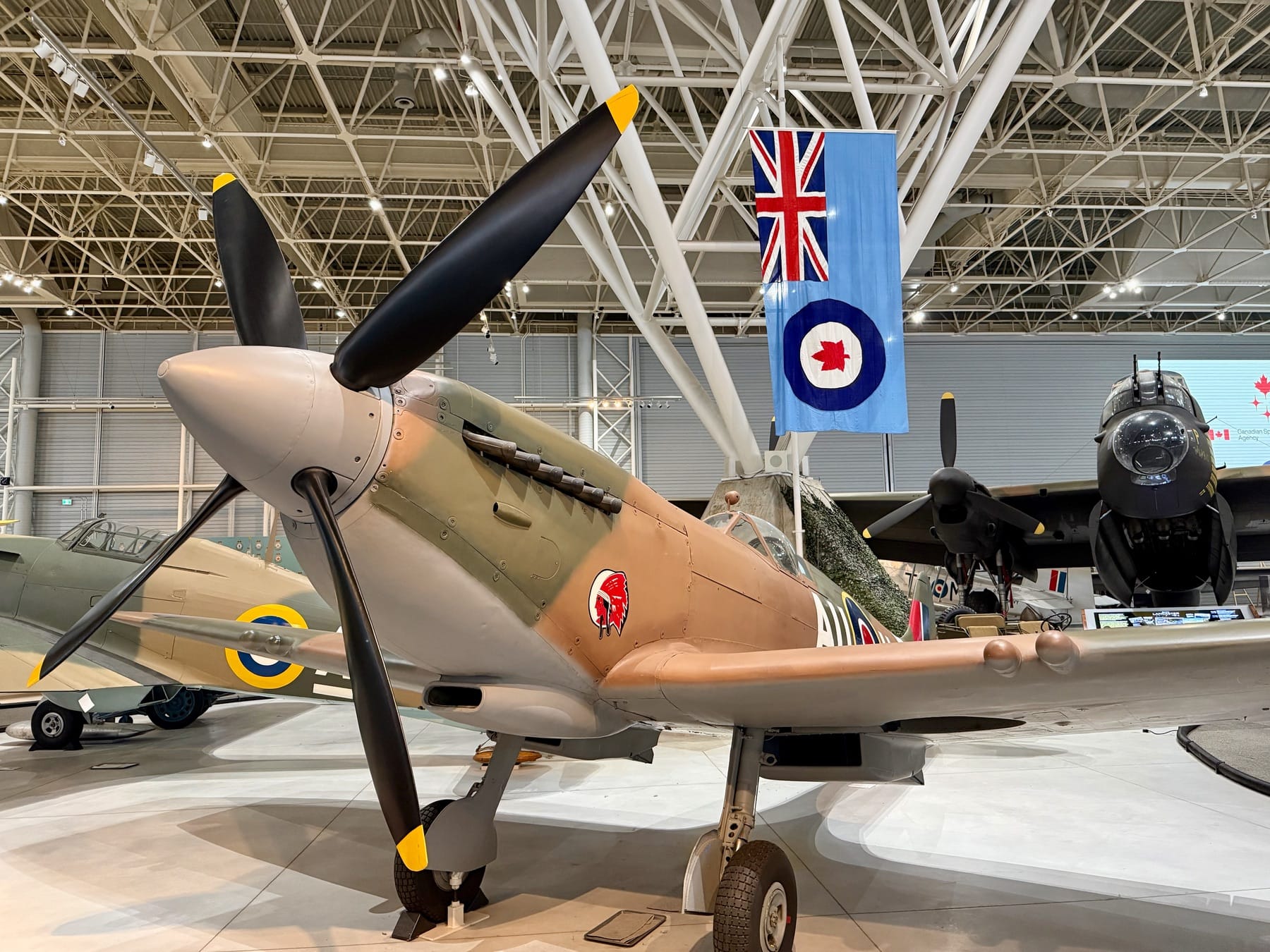
Click an image to enlarge. Clockwise from top left: the Aviation and Space Museum; a beautifully restored WWI Fokker DVII; Bleriot engine from 1911; Napier Sabre engine from 1944; WWII went from biplanes to jets – Swordfish torpedo bomber and Heinkel He 162 "People's Fighter"; Hurricane, Spitfire, and Lancaster (the Canadian trifecta); all that remains of the Avro Arrow project.
8–9 May 2026: Kingston
RMC & Martello Forts
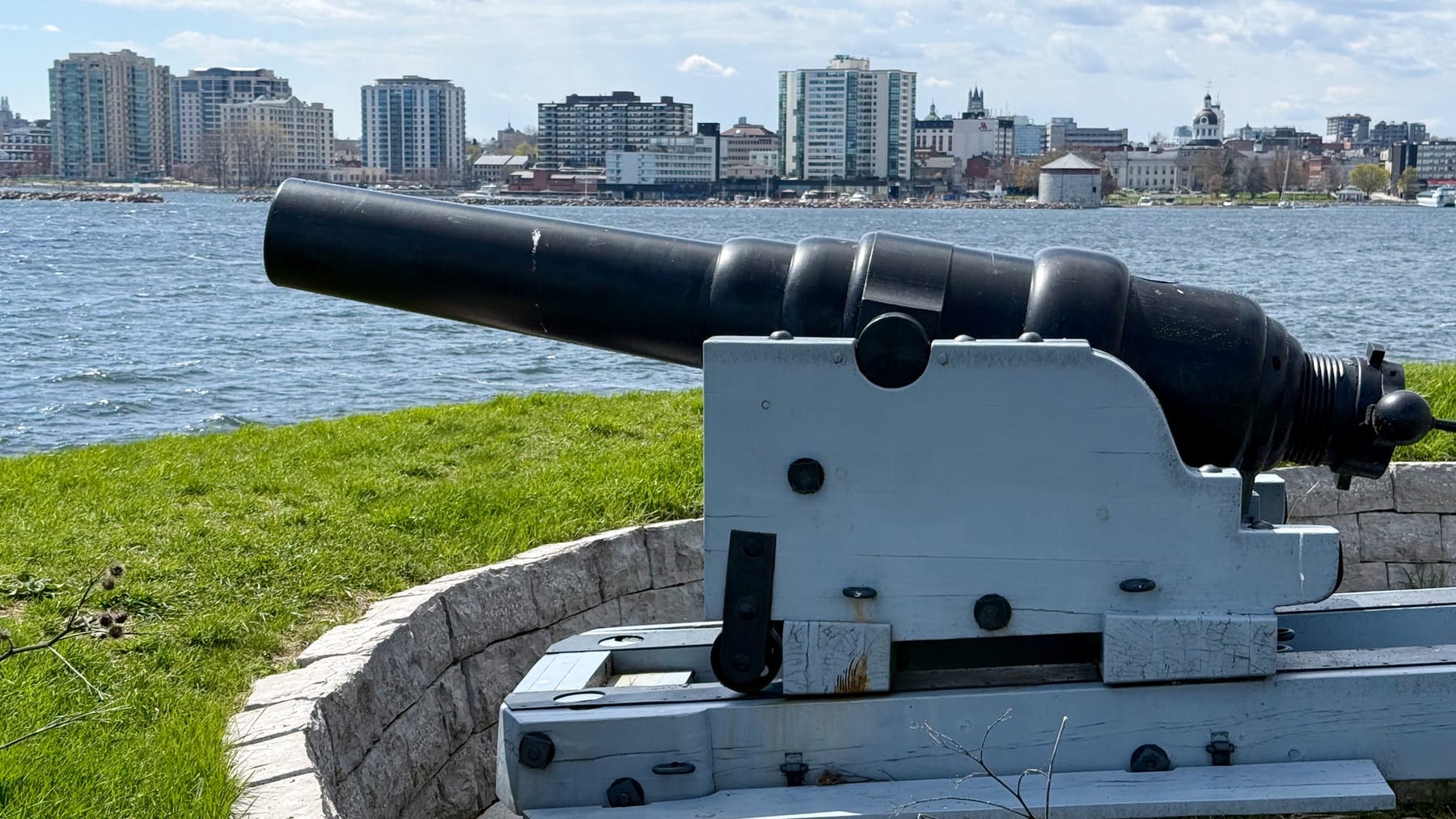
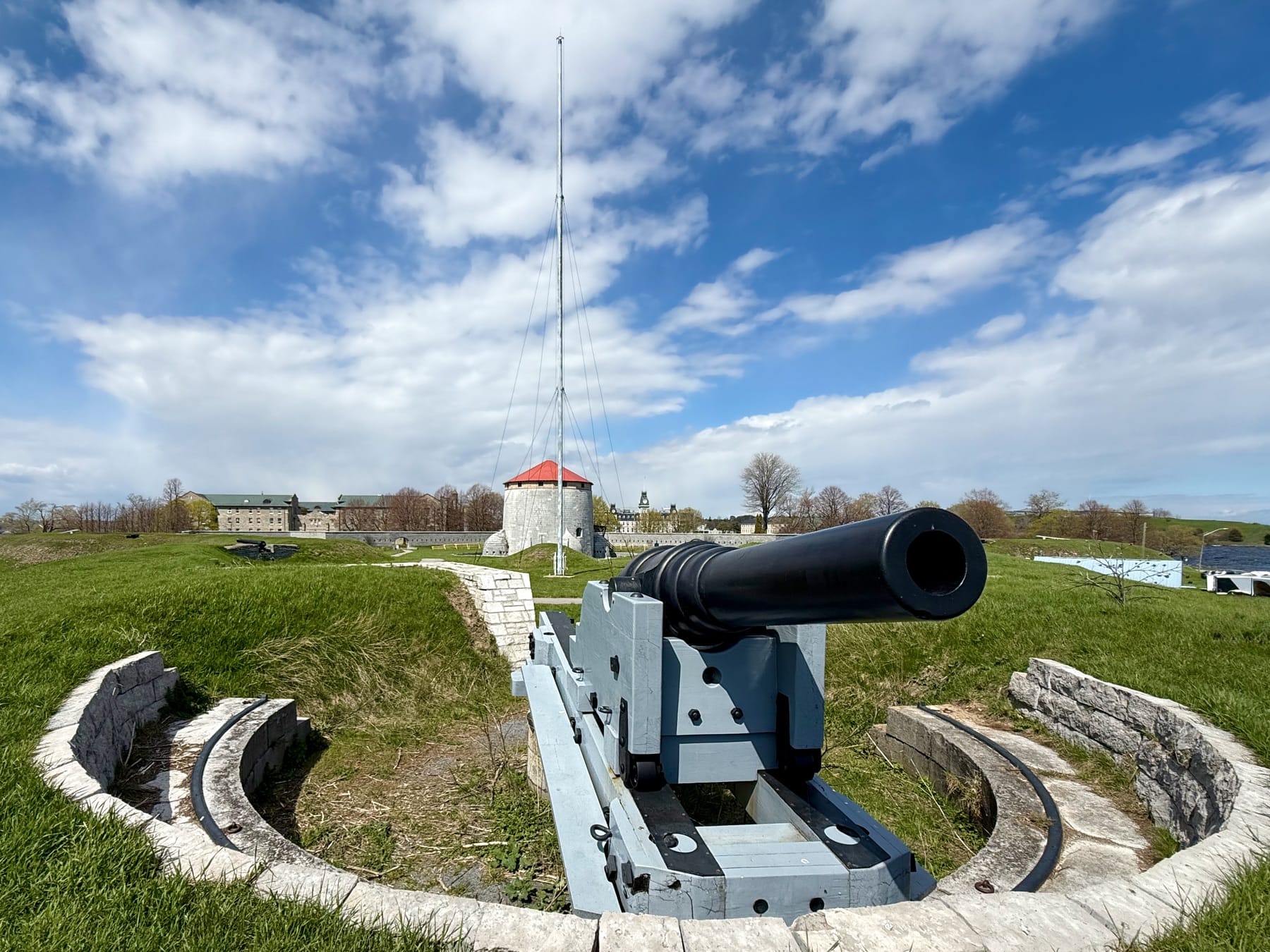
8 May (Friday): Spending the morning at CAaSM before driving to Kingston worked out well – since every museum in that city was closed until 16 May! So, our mid-afternoon arrival gave us plenty of time to walk around the outside of a few attractions. We began with the Martello fort and defensive guns on the grounds of the Royal Military College (Canada’s equivalent to Sandhurst).
Fort Henry
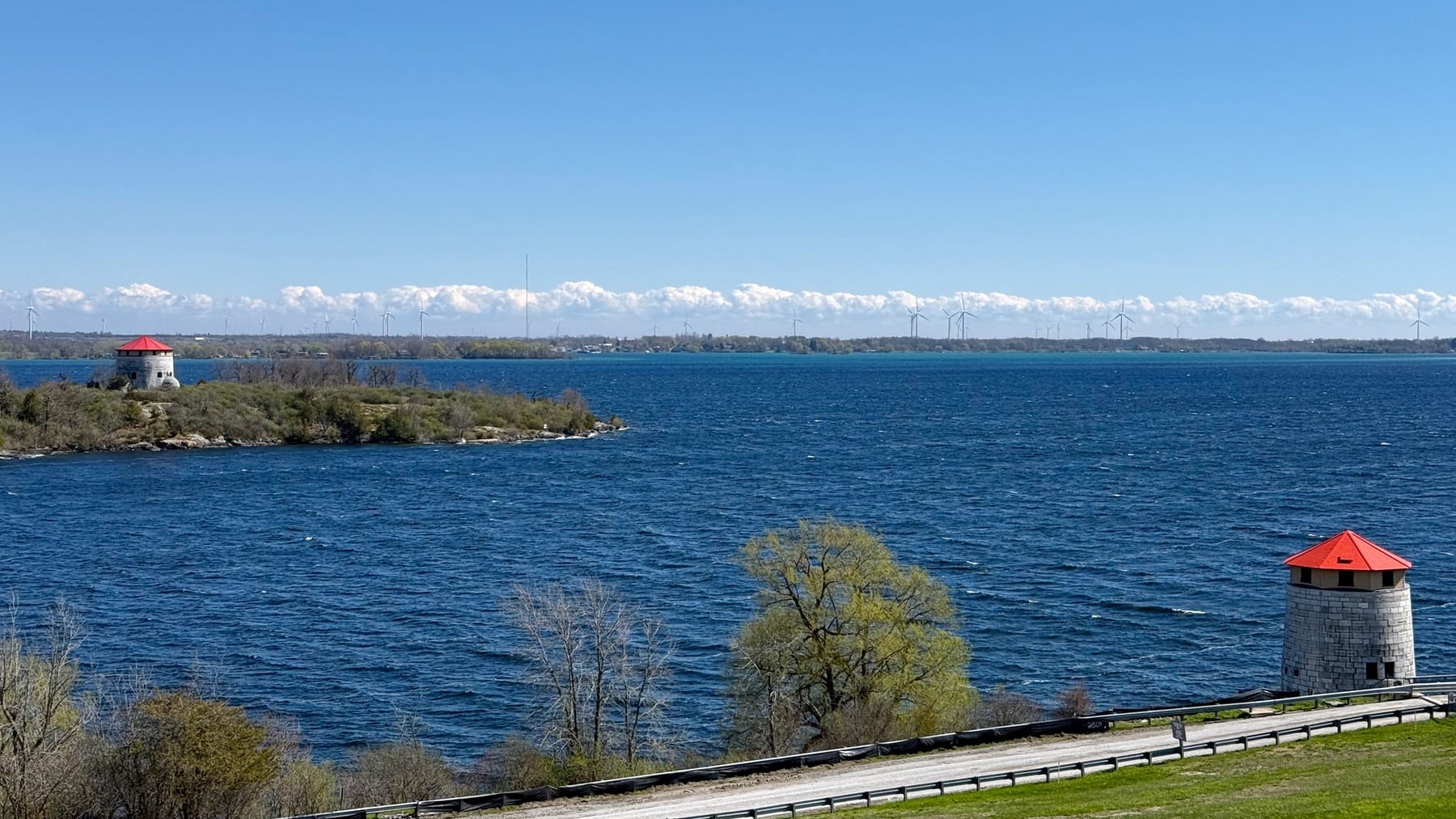
From there it was a short drive to Fort Henry, at the mouth of the Cataraqui River. Like Quebec's Cap Diamant, this naturally strong position has been home to fortifications since the time of New France. And, like Quebec's Citadelle, Fort Henry is a star fort, for which the required funding was only found after the War of 1812. Despite the war being over, the ongoing threat of American invasion justified the huge costs of its massive ramparts. Since we couldn't get inside, we contented ourselves with walking the grounds and taking in the magnificent views of Lake Ontario and its strategically placed Martello forts.
Click an image to enlarge. From left: guarding Kingston harbour, gun and Martello Tower on the RMC grounds; Lake Ontario and Martello Towers, from Fort Henry.
In the evening we toured Kingston’s downtown, visiting one of its magnificent but overpriced bookstores before finding a place for supper.
9–10 May 2026: Trenton & Oshawa
National Air Force Museum
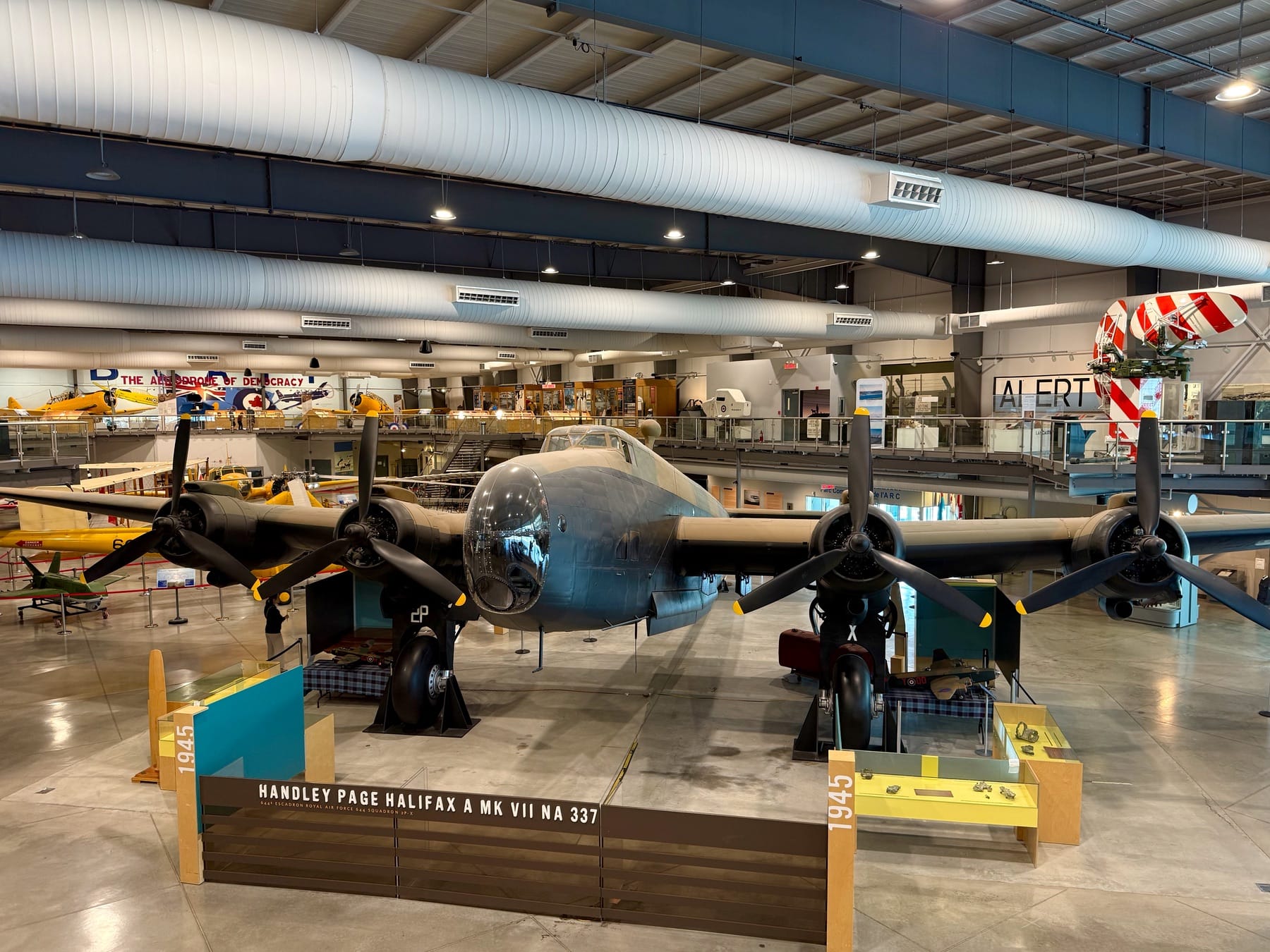
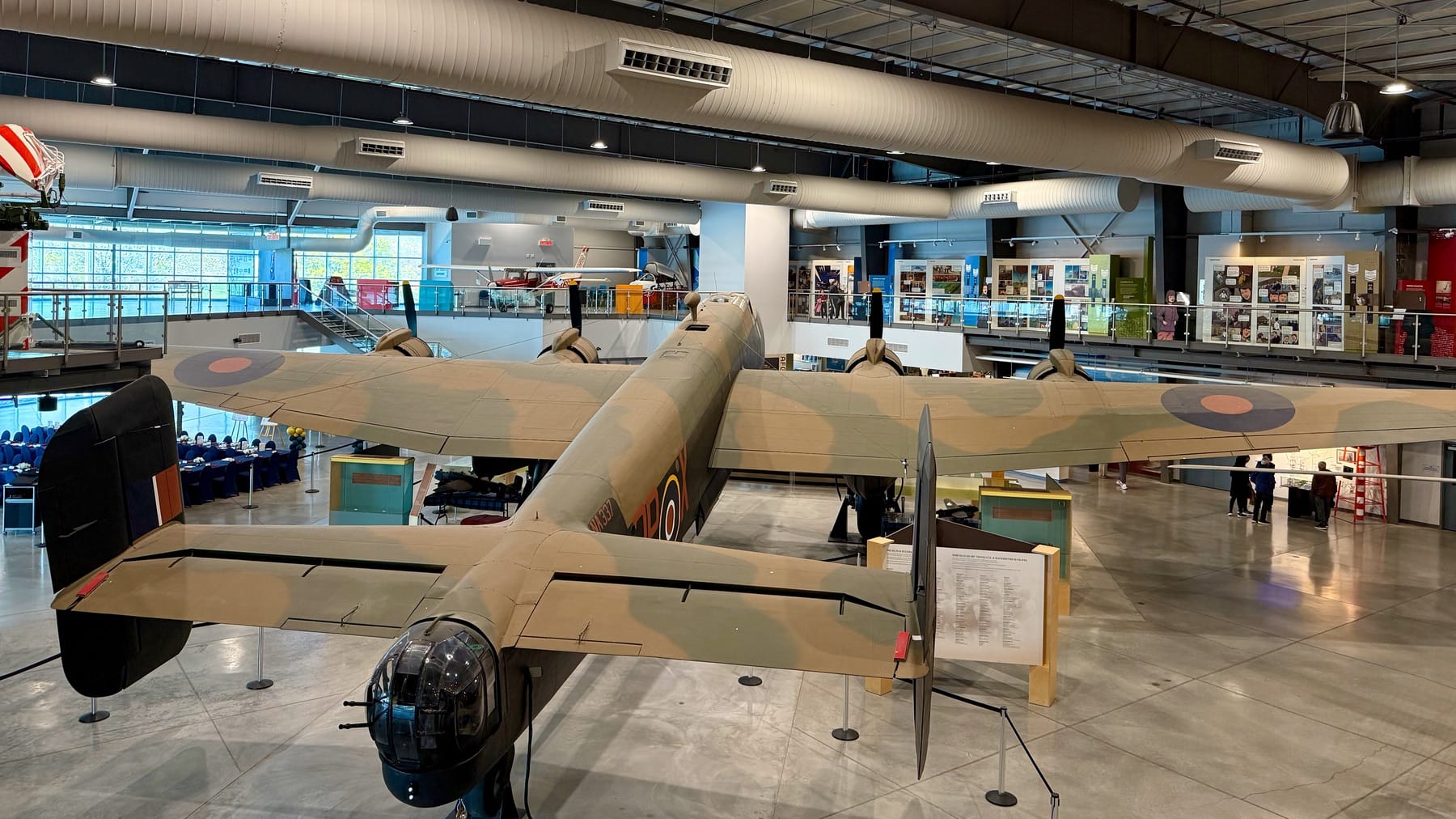
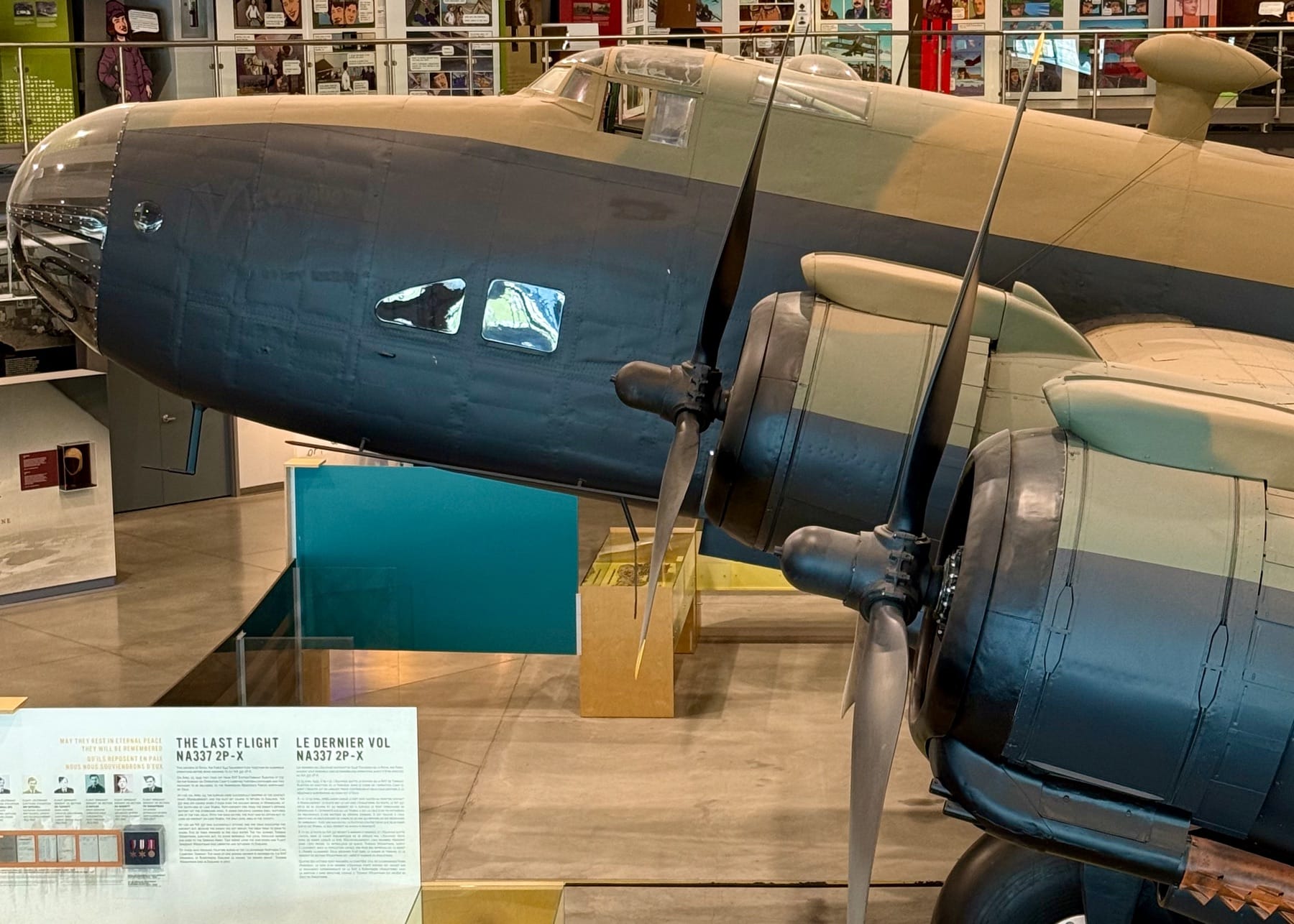
9 May (Saturday): We were on the road early again to reach Trenton and the RCAF’s National Air Force Museum. A friendly volunteer showed us around and introduced us to their pride and joy: a beautifully restored WWII Halifax bomber. This also serves as the RCAF’s memorial to fallen air crew, since so many Canadians served in Halifax’s.
The museum’s small gallery didn’t have room for more than a couple of aircraft in addition to the Halifax, though, meaning that most of its collection was parked on the grass outside — slowly deteriorating in the weather. A pretty sad state for the RCAF’s national museum and a far cry from the British RAF, which has three magnificent facilities at Hendon, Cosford, and Duxford (the latter also home to a major historic air show).
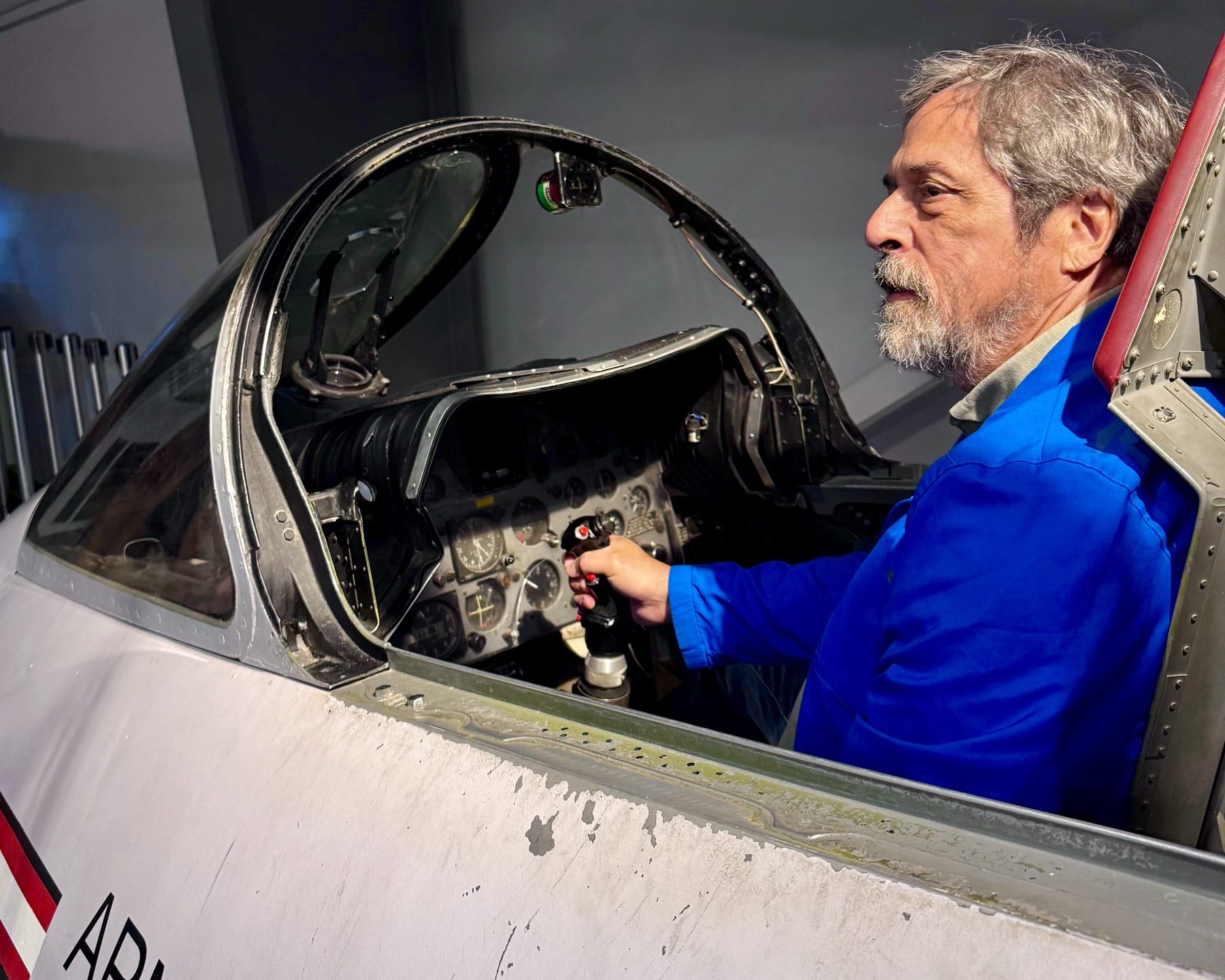
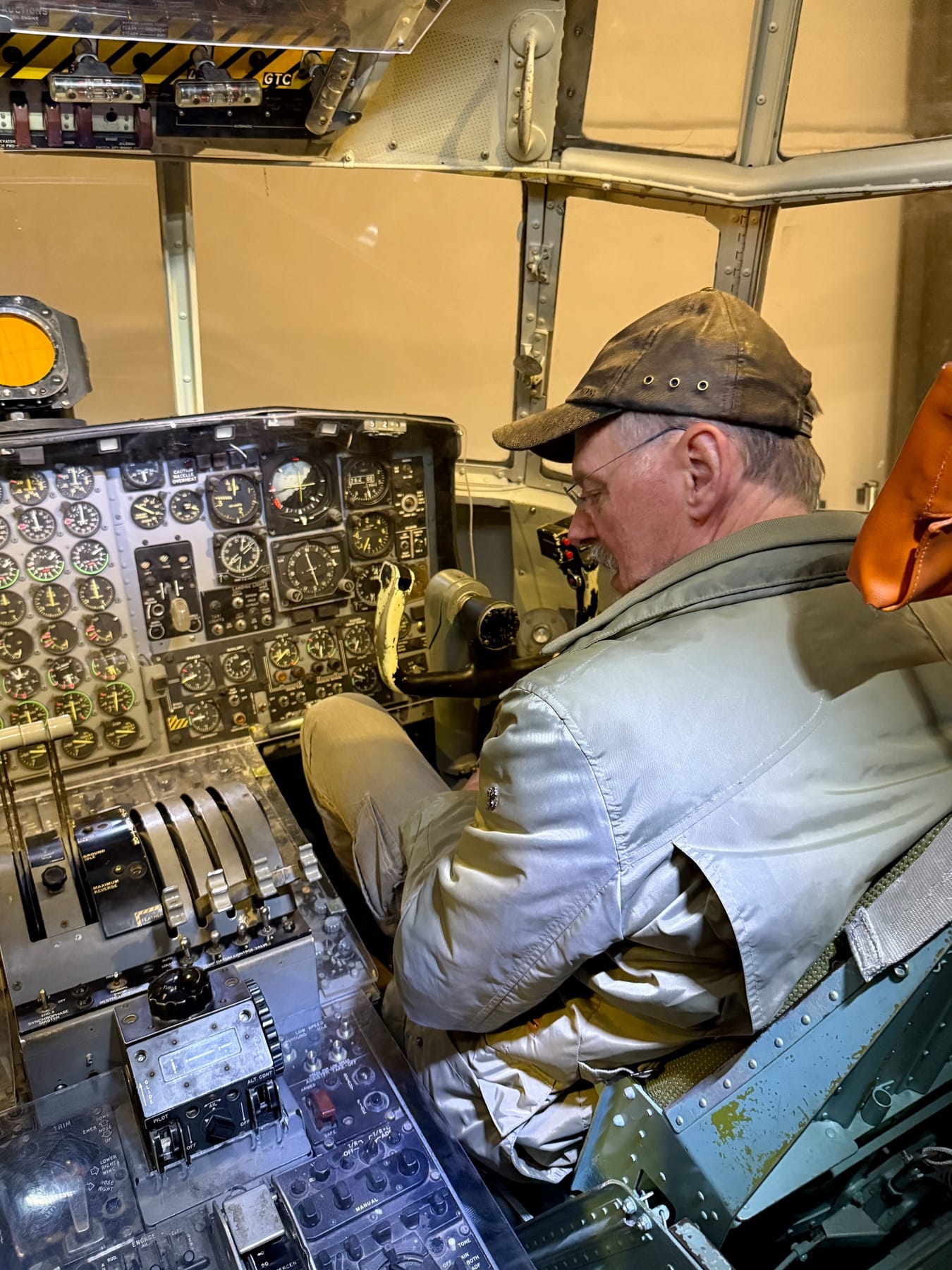
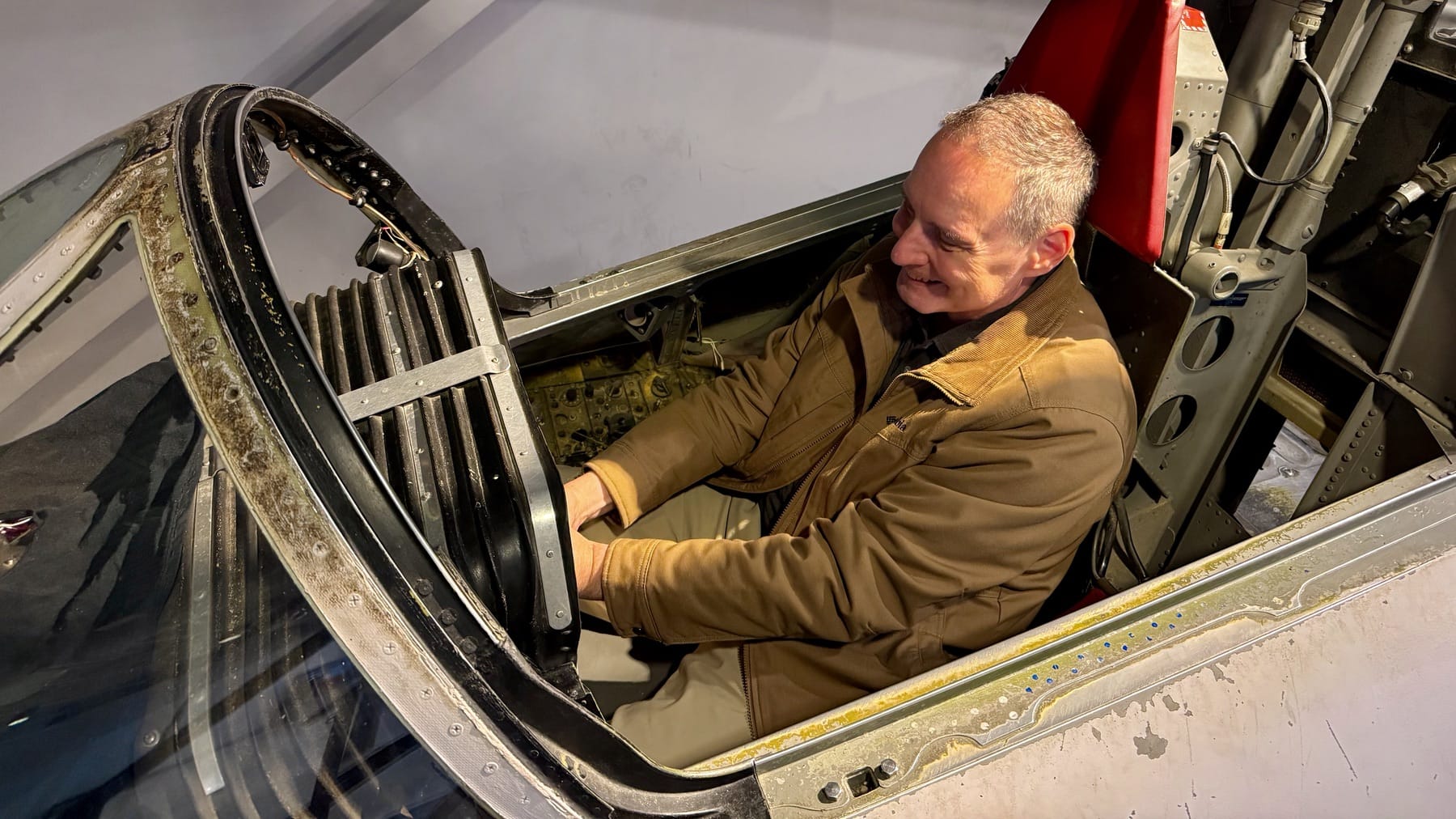
At least there were a few aircraft cockpits we could climb inside for hero shots!
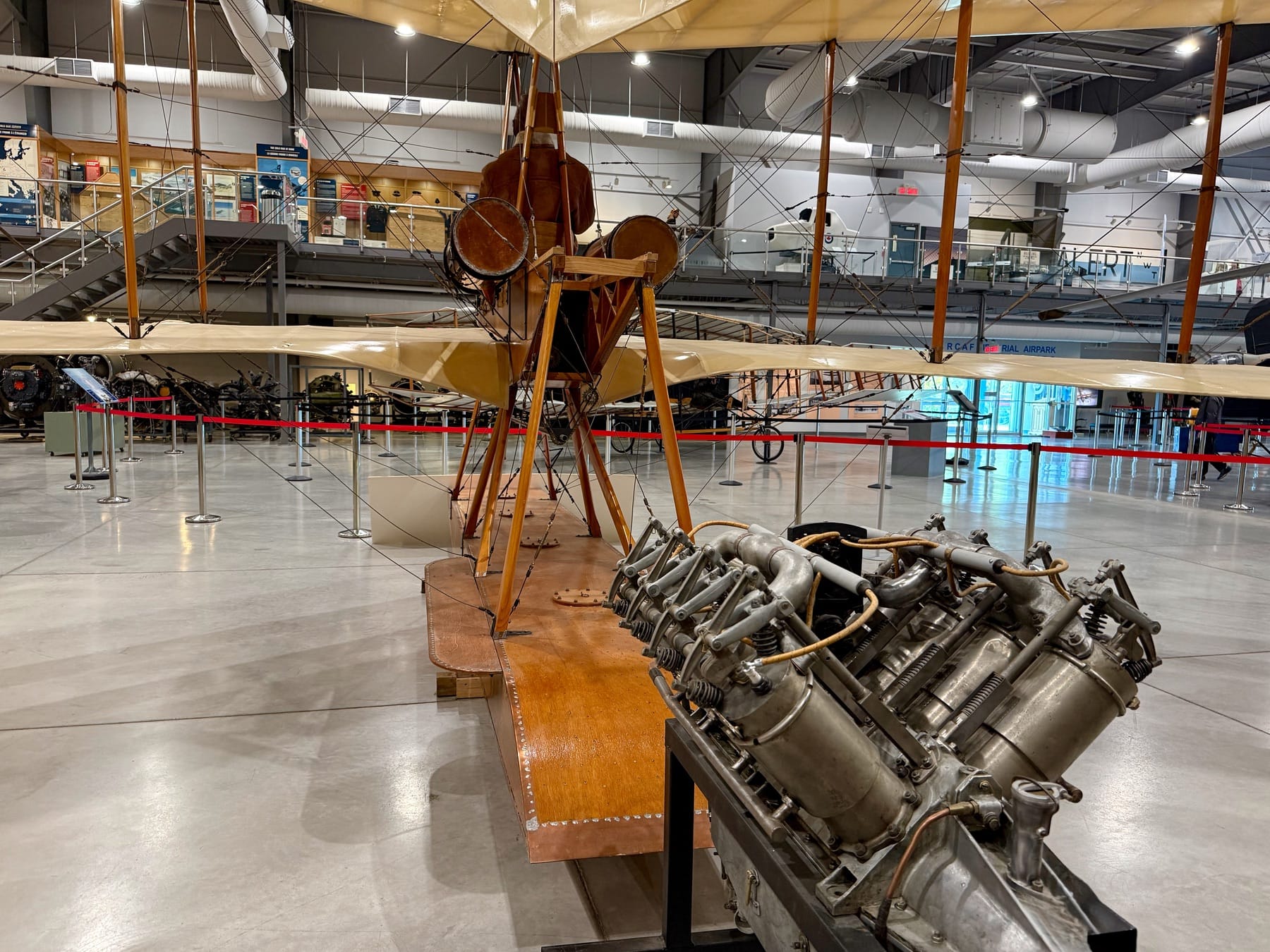
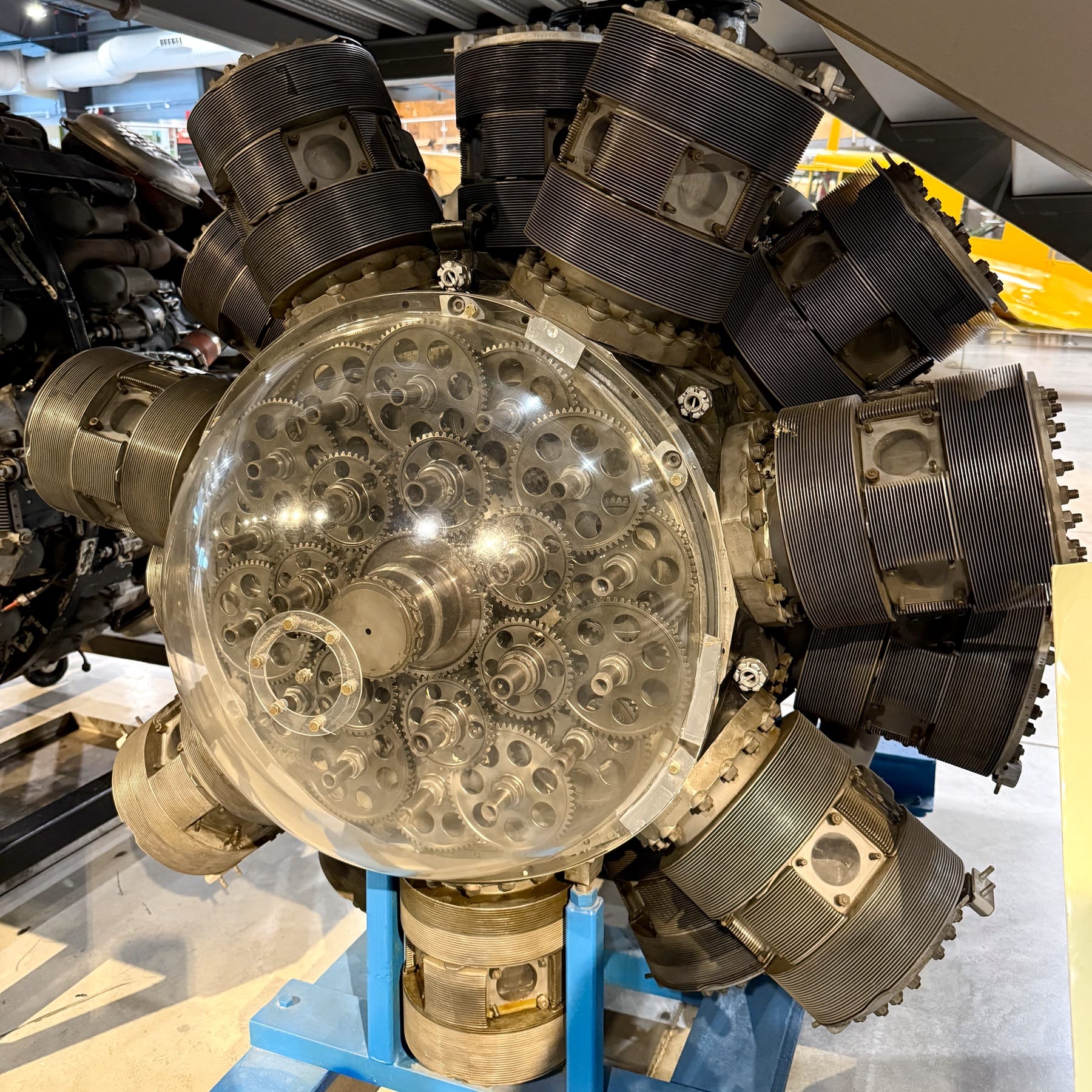
Click an image to enlarge. Clockwise from top left: the museum; and its Halifax; Halifax engines; Hero Shot-Kerry; Hero Shot-Joseph; Hero Shot-Clayton; Silver Dart Replica with engine; Aero Engine or Swiss Watch?
Canadian Tank Museum
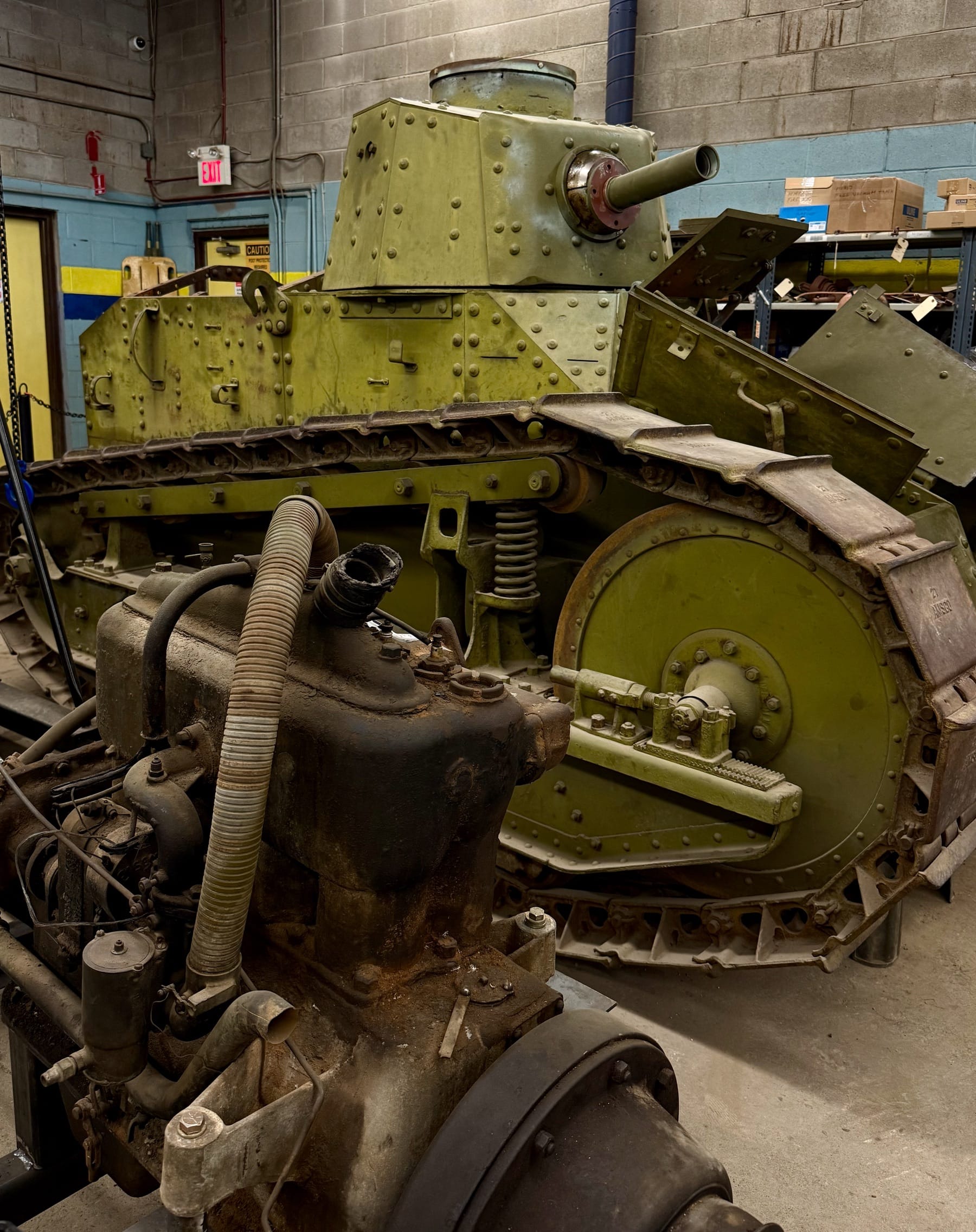
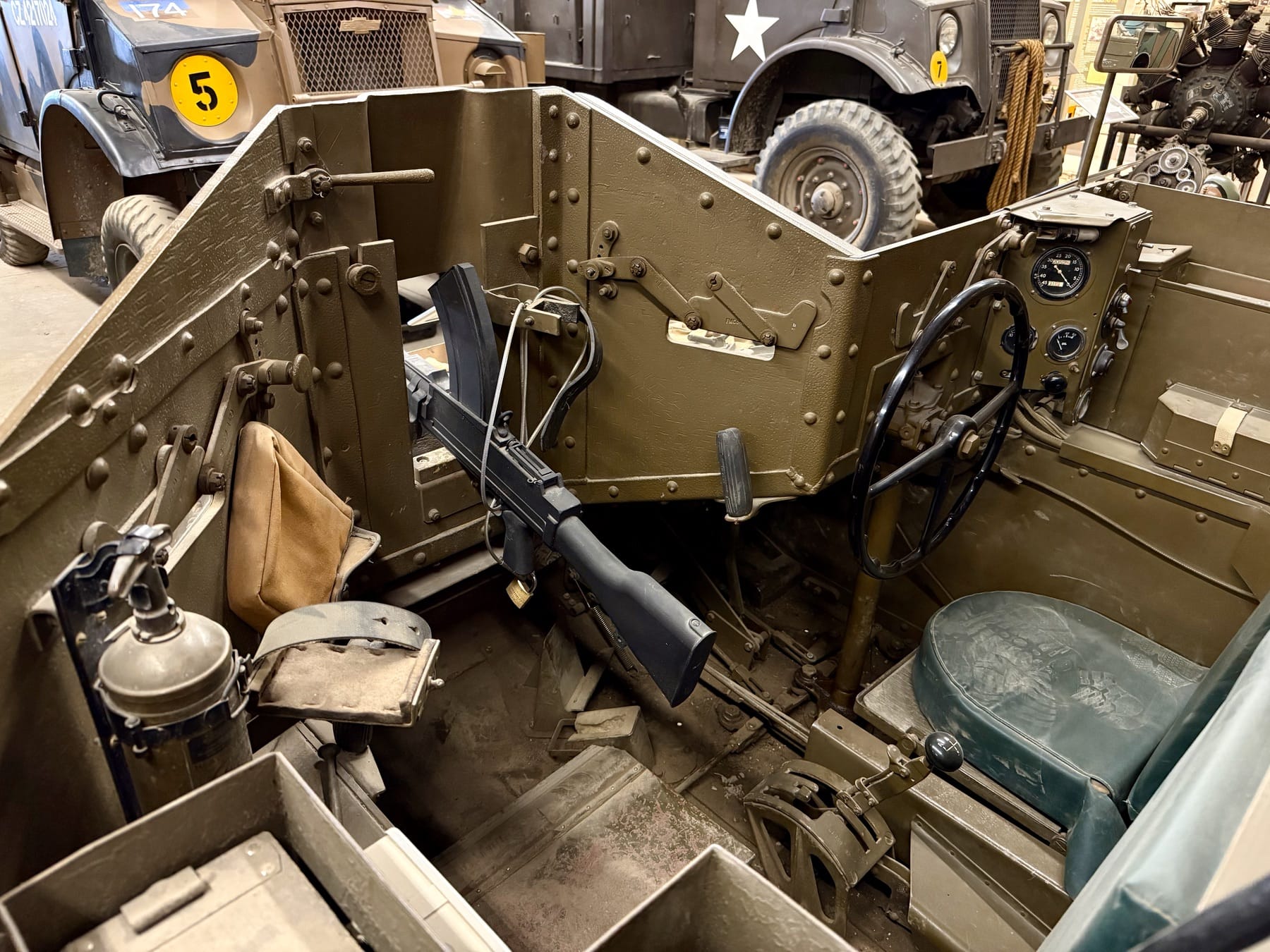
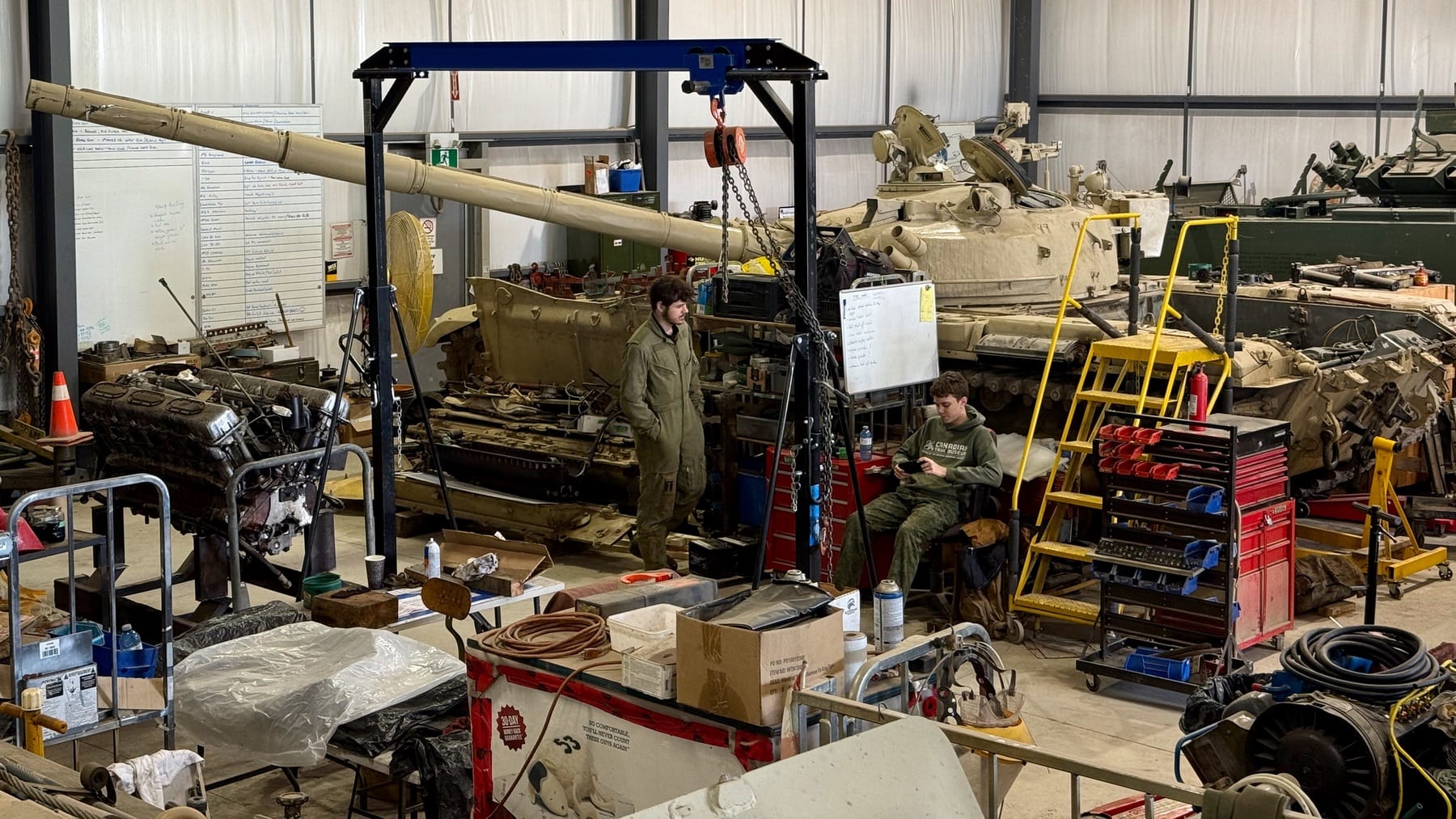
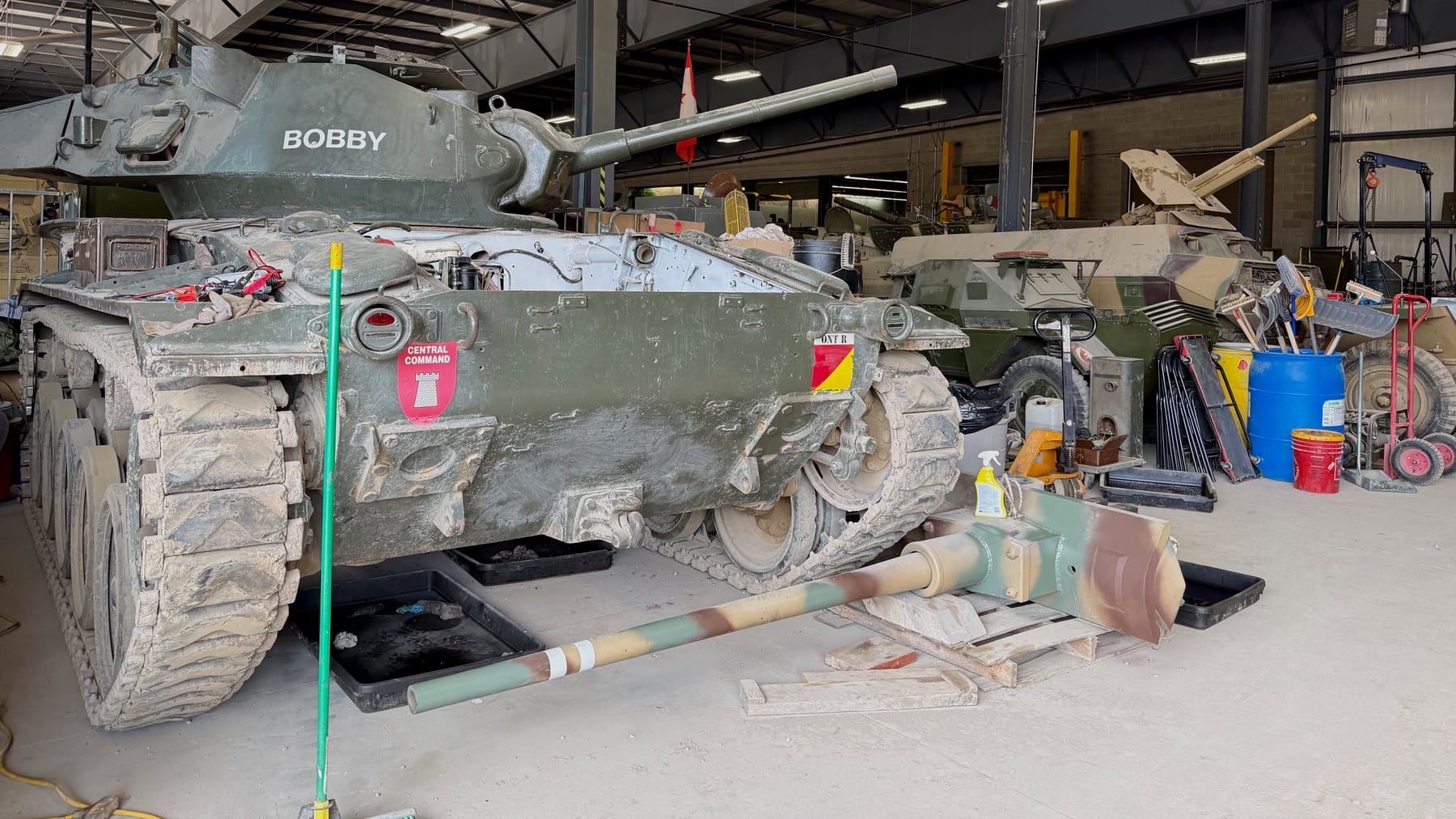
In the afternoon we carried on to The Canadian Tank Museum just outside of Oshawa. This began as the regimental museum of the Ontario Regiment (a reserve armour unit) but is now an accredited Canadian Armed Forces museum with some serious sponsorship behind it. Not only did it have a good collection of interesting vehicles, the place was bustling with energy and activity. It puts a lot of effort into ensuring almost every vehicle is a runner, which has turned its annual demonstration day into a major event (added to my to-do list). This also helps with its busy side business serving the TV and movie industries.
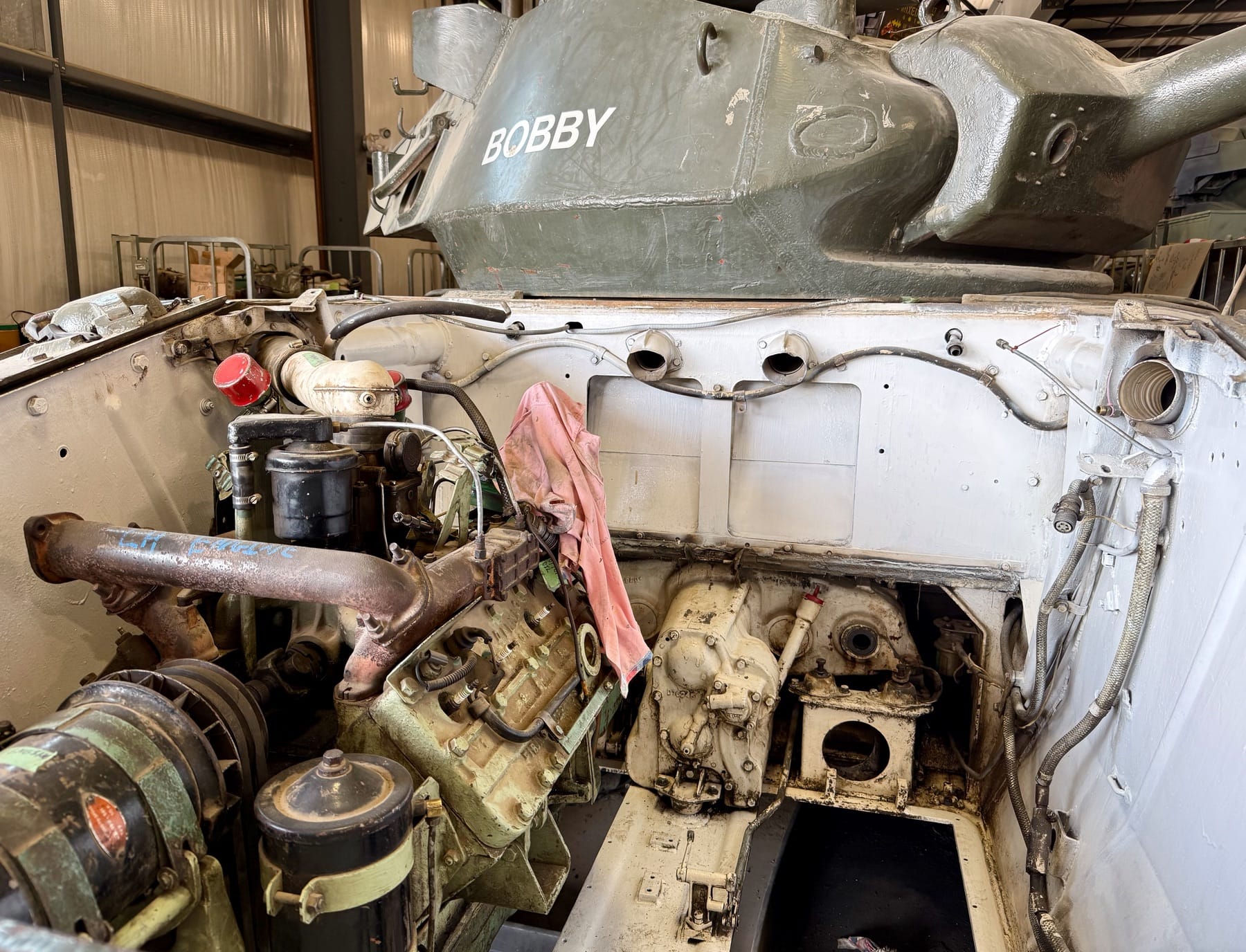
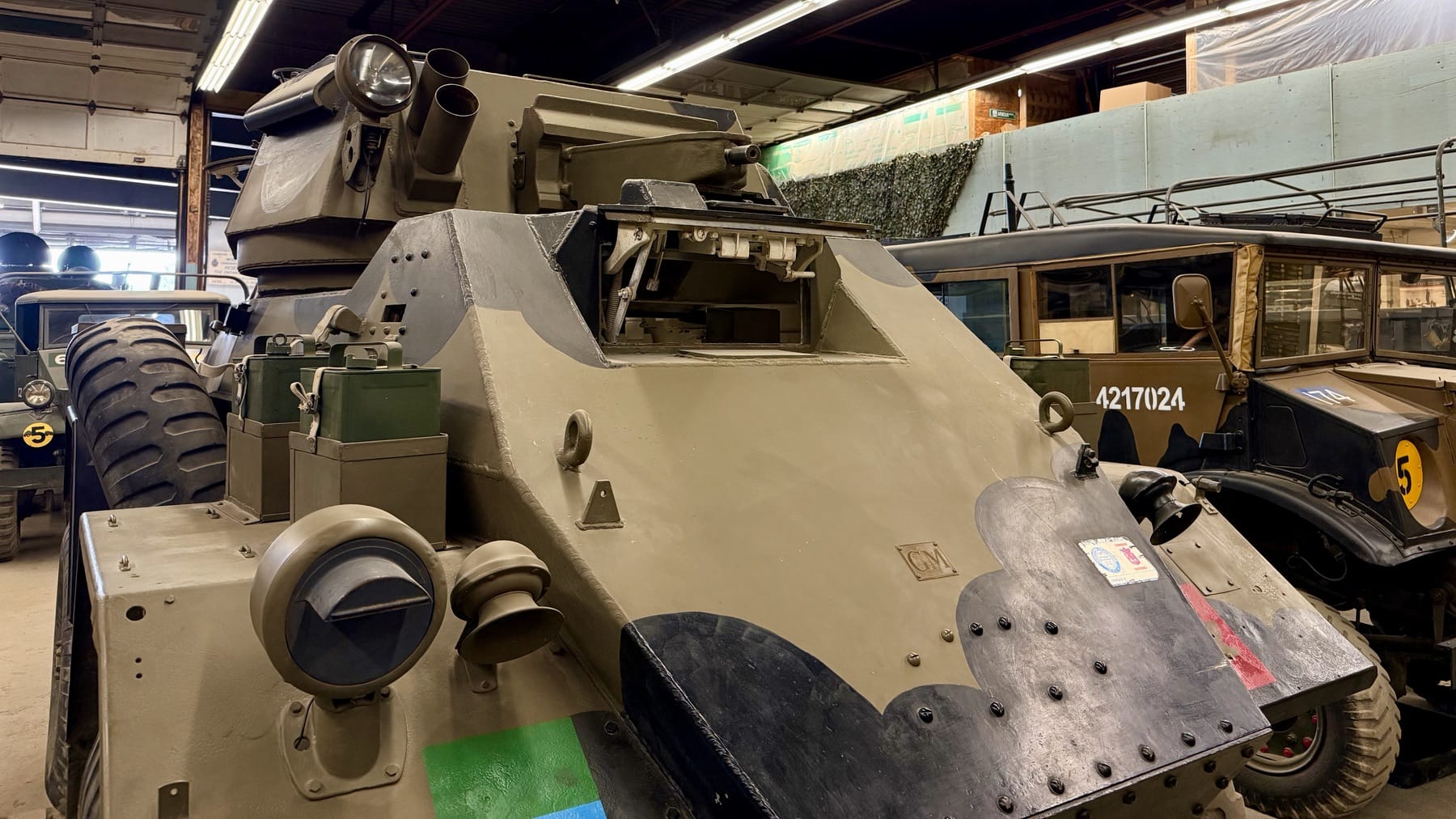
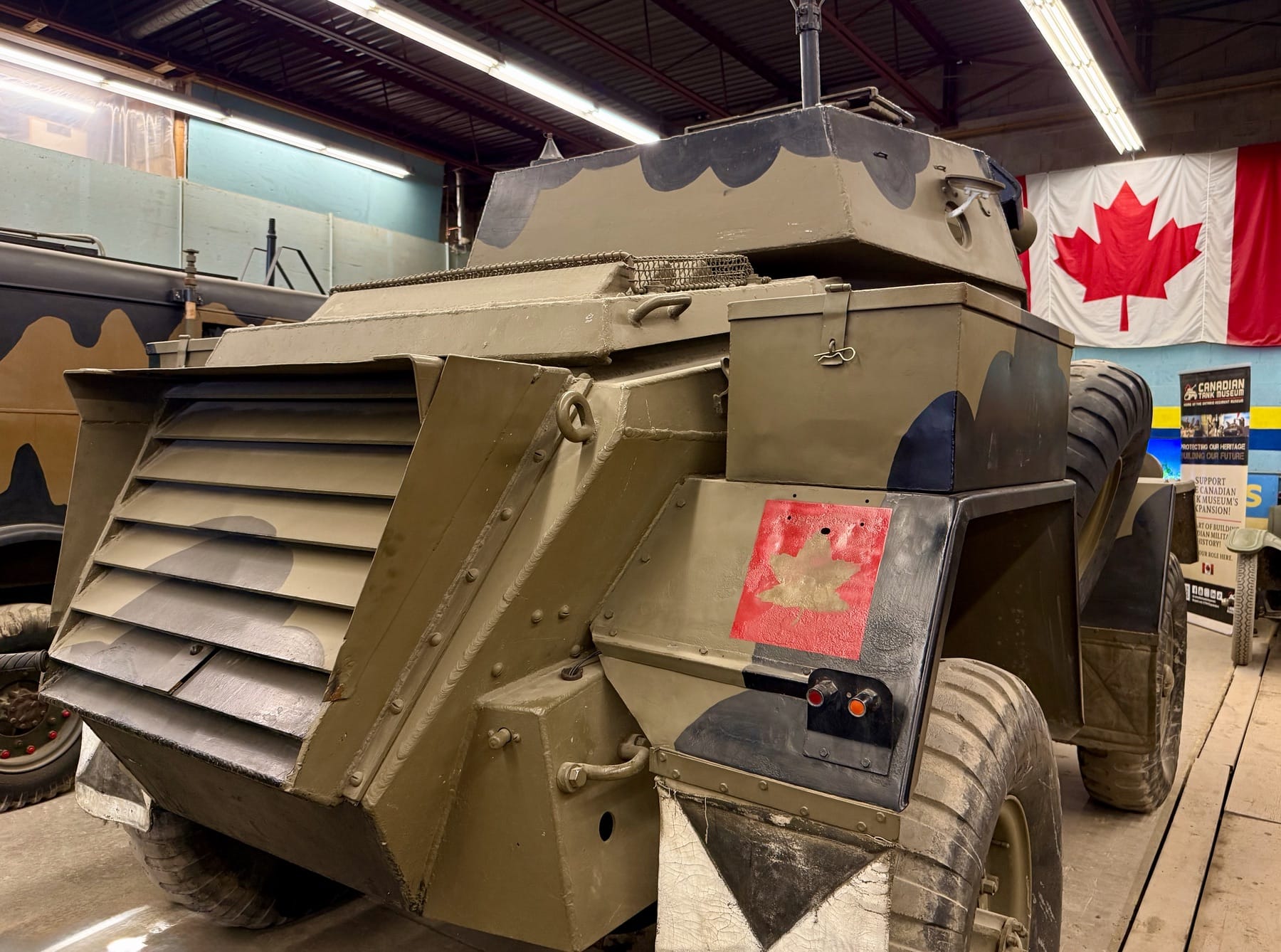
Click an image to enlarge. Clockwise from top left: WWI Renault tank; inside of a Bren Carrier; T-72 in the workshop; Chaffee in the workshop; one Cadillac engine in place, one Cadillac engine missing; Canadian made Fox armoured car; the Fox's bum.
10 May 2026: Back to Montréal
10 May (Sunday): Next morning we hit the road early (yet again) for the 4 1/2 hour drive to Montréal-Trudeau airport. After a week of road tripping through Canada we couldn't resist asking our American friend Gene what, if anything, he'd learned. Interestingly, he focused on identity. In the US he'd grown up with a single, definitive national identity, explicitly formed by revolution, and (supposedly) remaining fixed since then. In contrast, he noted that Canada had gradually forged its identity as different peoples joined together and the country grew and changed politically.
That sounds right. Just as we gained political independence through a process of evolution within the British Empire and Commonwealth, our national identity has also evolved over time. Occasionally that makes it hard for us to say just what it means to be Canadian. But it also gives us a resilience a more rigid sense of self wouldn’t have. I think our unity in response to renewed threats and challenges from the United States shows this.
A week of exploring Canada's past reminded me of what an unlikely country we are: a union of former adversaries; a small population stretched across the most difficult terrain of North America; and a place repeatedly threatened by the far larger power to the south. And yet, we managed to steer a course between the revolutionary path of most new-world countries, and the siren call of reaction, to become a modern, progressive, constitutional monarchy on the Nordic model. Remarkably, we have not just survived, but thrived.